

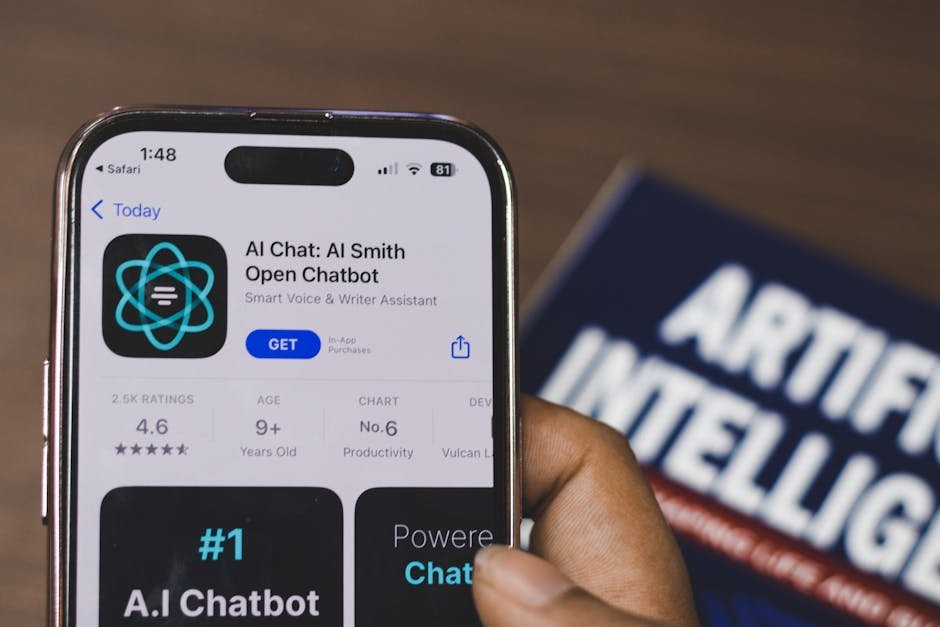
The integration of advanced artificial intelligence (AI) technologies in wellness apps is revolutionizing the way individuals manage their health and wellbeing. Enhanced AI capabilities enable personalized, adaptive, and predictive health and wellness services, transforming the wellness industry by providing users with more accurate and tailored recommendations, improving mental health support, and enhancing overall user experience.
This article will explore the current state of enhanced AI capabilities in wellness apps, examining their impact on personalized health recommendations, mental health support, and user engagement. We will analyze the latest developments in AI technology and their applications in the wellness industry, providing insights into the benefits and challenges associated with these advancements.
Personalized Health Recommendations
One of the primary benefits of enhanced AI capabilities in wellness apps is the ability to provide personalized health recommendations. By analyzing user data, including health metrics, lifestyle habits, and preferences, AI-powered algorithms can offer tailored advice on nutrition, exercise, and stress management. For instance, a wellness app might use machine learning to analyze a user’s dietary habits and suggest personalized meal plans based on their nutritional needs and health goals.
The effectiveness of these recommendations depends on the quality of the data collected and the sophistication of the AI algorithms used. Advanced AI capabilities enable wellness apps to learn from user behavior and adapt their recommendations over time, improving their accuracy and relevance. This personalized approach can lead to better health outcomes and increased user engagement, as individuals are more likely to follow recommendations that are tailored to their specific needs.
However, the use of personal data raises concerns about data privacy and security. Wellness app developers must ensure that they comply with relevant regulations, such as the Health Insurance Portability and Accountability Act (HIPAA) in the United States, and implement robust data protection measures to safeguard user information. For example, developers can use encryption and secure data storage to protect user data.
Mental Health Support
Enhanced AI capabilities are also being used to improve mental health support in wellness apps. AI-powered chatbots and virtual assistants can provide users with emotional support, helping them to manage stress, anxiety, and other mental health issues. These chatbots can offer coping strategies, mood tracking, and access to resources such as counseling services.
A study published in the Journal of Medical Internet Research found that AI-powered mental health interventions can be effective in reducing symptoms of depression and anxiety. The study highlighted the potential of AI-driven chatbots to provide accessible and stigma-free mental health support. However, it also emphasized the need for careful evaluation and validation of these interventions to ensure their safety and efficacy.
As AI technology continues to evolve, we can expect to see even more sophisticated mental health support tools in wellness apps. For example, AI-powered sentiment analysis could be used to detect early warning signs of mental health issues, enabling early intervention and support. This could involve integrating AI-powered chatbots with human support services to provide a comprehensive support system.
Key Features of Enhanced AI Capabilities
- Predictive Analytics: AI-powered predictive analytics can help wellness apps anticipate user needs and provide proactive support. For example, an app might use predictive analytics to identify users who are at risk of missing a workout and send them motivational messages to encourage them to stay on track.
- Natural Language Processing (NLP): NLP enables wellness apps to understand and respond to user queries in a more human-like way, improving the overall user experience. AI-powered chatbots can use NLP to provide emotional support and answer user questions.
- Personalized Recommendations: AI-powered algorithms can provide personalized recommendations on nutrition, exercise, and stress management, helping users achieve their health and wellness goals.
- Mood Tracking: AI-powered mood tracking can help users monitor their emotional state and identify patterns and triggers. This information can be used to provide targeted support and interventions.
- Integration with Wearable Devices: Many wellness apps integrate with wearable devices, such as fitness trackers and smartwatches, to collect data on user activity and health metrics. AI-powered analytics can be used to provide insights and recommendations based on this data.
Comparison of Popular Wellness Apps
| App | AI Capabilities | Personalization | Mental Health Support |
|---|---|---|---|
| Calm | AI-powered meditation and sleep stories | High | Yes |
| Headspace | AI-driven personalized meditation plans | High | Yes |
| MyFitnessPal | AI-powered nutrition tracking and recommendations | Medium | No |
| Fitbit Coach | AI-driven personalized workout plans | High | No |
| Moodfit | AI-powered mood tracking and emotional support | Medium | Yes |
The comparison of popular wellness apps highlights the varying levels of AI capabilities and personalization offered by different apps. While some apps, such as Calm and Headspace, offer high levels of personalization and mental health support, others, such as MyFitnessPal, focus more on nutrition tracking and recommendations.
Real-World Impact: A Case Study
A recent study published in the Journal of the American Medical Association (JAMA) found that a wellness app using AI-powered personalized recommendations led to significant improvements in user health outcomes. The study involved over 1,000 participants and demonstrated the potential of enhanced AI capabilities to drive positive change in user behavior.
The app used machine learning algorithms to analyze user data and provide tailored advice on nutrition, exercise, and stress management. Participants who used the app showed significant improvements in their health metrics, including weight loss, improved blood pressure, and reduced stress levels.
The study’s findings highlight the potential of enhanced AI capabilities in wellness apps to improve user health outcomes and promote positive behavior change. The results also suggest that AI-powered wellness apps can be an effective tool for preventing chronic diseases and improving overall health and wellbeing.
Challenges and Limitations
While enhanced AI capabilities offer many benefits for wellness apps, there are also challenges and limitations to consider. One of the primary concerns is data privacy and security, as wellness apps often collect sensitive user information. Developers must ensure that they comply with relevant regulations and implement robust data protection measures to safeguard user data.
Another challenge is the need for ongoing evaluation and validation of AI-powered interventions to ensure their safety and efficacy. As AI technology continues to evolve, it is essential to stay up-to-date with the latest research and developments to ensure that wellness apps remain effective and safe for users.
Additionally, there is a risk of over-reliance on AI-powered solutions, which can lead to a lack of human interaction and support. Wellness app developers must strike a balance between AI-driven insights and human support to provide users with a comprehensive and supportive experience. This can involve integrating AI-powered chatbots with human support services to provide a hybrid support system.
Conclusion
Enhanced AI capabilities are transforming the wellness industry, enabling personalized, adaptive, and predictive health and wellness services. As we have seen, these advancements have the potential to improve user health outcomes, increase user engagement, and provide more effective mental health support.
To fully realize the potential of enhanced AI capabilities in wellness apps, developers and users alike must remain informed about the latest developments and advancements in AI technology. By doing so, we can unlock the full potential of AI-powered wellness apps and create a healthier, more supportive future for all.
The future of wellness apps is likely to involve even more sophisticated AI-powered solutions, including the use of machine learning and predictive analytics to provide proactive support and interventions. As the wellness industry continues to evolve, it is essential to stay ahead of the curve and ensure that AI-powered wellness apps remain safe, effective, and user-friendly.
FAQs
What are enhanced AI capabilities in wellness apps?
Enhanced AI capabilities in wellness apps refer to the integration of advanced artificial intelligence technologies that enable personalized, adaptive, and predictive health and wellness services. These capabilities can include AI-powered chatbots, personalized recommendations, and predictive analytics.
How do AI-powered chatbots support mental health?
AI-powered chatbots can provide emotional support, coping strategies, and access to resources such as counseling services, helping users manage stress, anxiety, and other mental health issues. They can also offer mood tracking and sentiment analysis to detect early warning signs of mental health issues.
What are the benefits of personalized health recommendations?
Personalized health recommendations can lead to better health outcomes and increased user engagement, as individuals are more likely to follow advice that is tailored to their specific needs. They can also help users achieve their health and wellness goals, such as weight loss or improved blood pressure.