

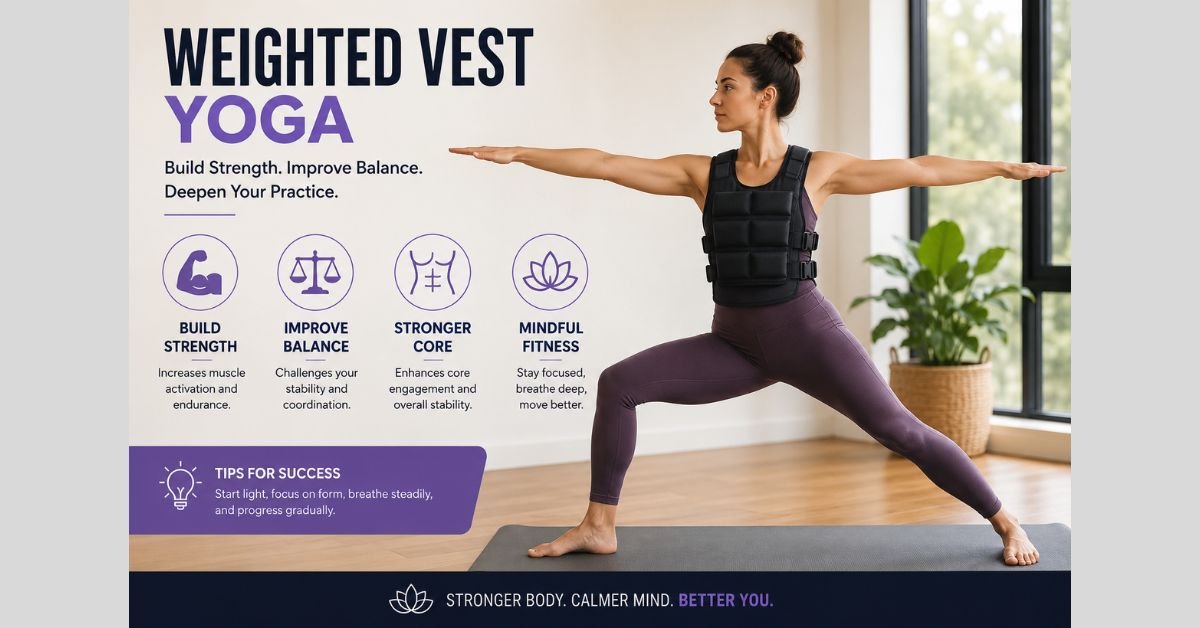
Yoga has always been celebrated for improving flexibility, balance, mindfulness, and overall well-being. In recent years, many fitness enthusiasts have started exploring new ways to make traditional yoga more challenging without losing its calming benefits. One trend that has gained attention is Weighted Vest Yoga. By wearing a lightweight weighted vest during certain yoga sessions, practitioners can increase resistance, engage more muscles, and build strength while maintaining mindful movement.
Unlike lifting heavy weights, a weighted vest distributes resistance evenly across the upper body, allowing movements to remain natural. However, this practice is not suitable for every pose or every individual. Understanding when, why, and how to use a weighted vest is essential for maximizing benefits while reducing injury risk.
Whether you’re an experienced yogi looking for a new challenge or a fitness enthusiast interested in functional training, this guide explains everything you need to know about practicing Weighted Vest Yoga safely and effectively.
Table of Contents
What Is Weighted Vest Yoga?
Weighted Vest Yoga combines traditional yoga movements with a specially designed fitness vest that contains evenly distributed weight. These vests typically range from 5 to 30 pounds, although beginners should always start with much lighter options. The added resistance increases the workload on muscles during standing, balancing, and strengthening poses while maintaining the mindful nature of yoga practice.
Unlike ankle or wrist weights, a weighted vest keeps resistance centered around the body’s core. This balanced distribution helps maintain natural movement patterns without placing excessive strain on individual joints. Because of this design, many athletes and fitness trainers consider weighted vests a safer way to add resistance compared to isolated wearable weights.
The concept is similar to bodyweight training progression. Instead of dramatically changing the exercises themselves, practitioners gradually increase intensity by adding manageable resistance. This approach allows yoga sessions to continue improving flexibility and mobility while also promoting muscular endurance.
Not every yoga style is suitable for weighted training. Slow-paced practices such as Hatha Yoga, Power Yoga, and strength-focused Vinyasa sessions generally adapt better than highly restorative or deeply stretching classes.
When used correctly, Weighted Vest Yoga creates a unique combination of strength training, balance improvement, and mindful movement that appeals to both yoga practitioners and functional fitness enthusiasts.
Why More People Are Choosing Weighted Vest Yoga
Modern fitness trends increasingly focus on exercises that improve multiple aspects of health simultaneously. Instead of separating cardio, strength, flexibility, and balance into different workouts, many people prefer activities that combine several benefits in one session. Weighted Vest Yoga fits this philosophy perfectly.
Adding light resistance challenges muscles throughout the practice without requiring dumbbells or gym equipment. Everyday movements such as Warrior poses, Chair Pose, and Plank become significantly more demanding, encouraging greater muscle activation and stability. This makes each session feel more productive while preserving yoga’s calming atmosphere.
Another reason for its popularity is convenience. A weighted vest is compact, adjustable, and easy to wear, making it suitable for home workouts as well as studio sessions. Fitness enthusiasts appreciate being able to increase workout intensity without needing additional machines or free weights.
Many athletes also use weighted yoga as part of cross-training. Runners, hikers, martial artists, and recreational lifters benefit from improved balance, stronger stabilizing muscles, and better body awareness. These qualities often transfer positively to other sports and physical activities.
Perhaps most importantly, Weighted Vest Yoga encourages gradual progression. Rather than rushing toward advanced poses, practitioners can increase difficulty through controlled resistance while maintaining proper form and breathing techniques.
Key Benefits of Practicing Weighted Vest Yoga
One of the biggest advantages of Weighted Vest Yoga is improved muscular strength. Since the body works against additional resistance during every movement, muscles in the legs, core, shoulders, and back become more engaged throughout the session. Over time, this contributes to better endurance and overall functional strength.
Balance is another area that improves significantly. Even a small increase in body weight requires stabilizing muscles to work harder during single-leg poses and transitions. This enhanced balance may support better posture and reduce the likelihood of falls during daily activities.
Core activation naturally increases because the body continuously works to maintain alignment while carrying extra weight. Stronger abdominal and back muscles help support the spine, improve posture, and create greater stability during both yoga practice and everyday movement.
Many practitioners also notice improvements in bone health. Weight-bearing exercises encourage healthy bone density, making carefully supervised weighted yoga a useful addition to an overall fitness routine for many healthy adults. While it should never replace medical guidance or specialized exercise programs, it may complement long-term wellness goals.
Finally, Weighted Vest Yoga can enhance calorie expenditure. Since the body performs more work throughout the practice, energy demand rises slightly compared to traditional yoga, making sessions more physically challenging while still emphasizing controlled breathing and mindful movement.
Choosing the Right Weighted Vest for Yoga
Selecting the appropriate vest is one of the most important decisions before beginning Weighted Vest Yoga. The ideal vest should fit snugly without restricting breathing, shoulder mobility, or natural spinal movement. Adjustable straps are particularly valuable because they allow users to customize the fit for comfort and stability.
Beginners should prioritize lightweight models, generally between five and ten pounds. Starting with excessive weight increases the risk of poor posture, joint stress, and muscle fatigue. As strength and confidence develop, resistance can gradually increase if appropriate.
Comfort is equally important. Breathable materials help prevent overheating during longer yoga sessions, while evenly distributed weight prevents pressure points from developing around the shoulders or chest. A compact design also reduces interference during twisting poses and transitions between positions.
Quality construction matters because yoga involves bending, stretching, and dynamic movement. Durable stitching, secure weight pockets, and balanced weight placement help maintain safety throughout every session.
Ultimately, the best weighted vest is one that supports natural movement instead of limiting it. A properly fitted vest should feel like an extension of your body, allowing you to focus on breathing, posture, and mindful practice rather than adjusting uncomfortable equipment.
Best Yoga Styles for Weighted Vest Yoga
Not every yoga style works well with added resistance, which is why choosing the right practice is essential. Slow and controlled sessions usually provide the safest environment for wearing a weighted vest. Styles like Hatha Yoga, Power Yoga, and strength-focused Vinyasa Yoga allow enough time to maintain proper alignment while adapting to the extra load. These classes emphasize controlled movement rather than fast transitions, making them ideal for beginners.
Power Yoga naturally complements weighted training because it already includes challenging bodyweight exercises. Poses such as Chair Pose, Warrior Series, and Plank become more demanding without changing the overall flow of the class. The added resistance helps build muscular endurance while preserving yoga’s focus on breathing and concentration.
Hatha Yoga is another excellent choice because it encourages practitioners to hold poses for longer periods. Wearing a light weighted vest during these static positions activates stabilizing muscles throughout the body. This combination strengthens the legs, core, shoulders, and back while improving posture and body awareness.
Gentle Vinyasa sequences can also benefit from a lightweight vest when practiced carefully. Smooth transitions between poses require balance and coordination, and the additional resistance encourages better movement control. However, practitioners should reduce weight or remove the vest if fatigue begins affecting form.
Restorative Yoga, Yin Yoga, and deep stretching sessions are generally not recommended for weighted vest use. These styles focus on relaxation, flexibility, and passive stretching, where additional weight may place unnecessary stress on joints and connective tissues rather than enhancing the practice.
Safety Tips for Practicing Weighted Vest Yoga
Safety should always be the highest priority when introducing resistance into any yoga routine. The first rule is to begin with a light vest rather than assuming heavier weight will produce faster results. Starting with five to ten pounds allows the body to adapt gradually while maintaining proper posture and breathing.
Listening to your body is equally important. If you notice joint discomfort, lower back pain, or unusual muscle strain, stop immediately and remove the vest. Mild muscle fatigue is expected, but sharp pain is never a normal part of yoga practice.
Proper posture becomes even more critical with added resistance. Keep the spine neutral, engage the core, and avoid leaning forward to compensate for the extra weight. Good alignment protects the joints while allowing muscles to perform their intended role during each pose.
Breathing should remain slow, steady, and controlled throughout every session. Holding your breath while wearing a weighted vest increases unnecessary tension and reduces the calming benefits that make yoga unique. Conscious breathing also helps maintain focus and movement quality.
Finally, avoid wearing a weighted vest during inversions or highly advanced balancing poses until you have developed sufficient experience. Headstands, shoulder stands, and complex arm balances become significantly more challenging with additional resistance and should only be attempted under qualified supervision.
Beginner-Friendly Yoga Poses with a Weighted Vest
If you’re new to Weighted Vest Yoga, starting with simple poses is the safest and most effective approach. Mountain Pose may appear easy, but standing with perfect posture while wearing extra weight teaches proper alignment and activates core muscles. It creates a solid foundation before progressing to more demanding movements.
Chair Pose is another excellent beginner exercise. Holding this position with a lightweight vest increases leg strength while encouraging better stability in the hips and knees. The additional resistance also challenges the abdominal muscles, helping improve balance and endurance.
Warrior I and Warrior II naturally engage the lower body, shoulders, and core. Wearing a weighted vest during these poses increases muscular activation without requiring complicated movement patterns. These classic yoga positions help develop functional strength that supports everyday activities.
Plank Pose becomes considerably more challenging with even a small amount of added weight. Maintaining a straight body line requires stronger engagement from the chest, shoulders, arms, and abdominal muscles. Beginners should focus on shorter holds while preserving excellent form rather than extending the duration too quickly.
Bridge Pose offers another safe option because the body remains supported by the floor. The added resistance encourages greater activation of the glutes, hamstrings, and lower back while strengthening the posterior chain. This makes it a valuable exercise for improving posture and reducing muscular imbalances.
Advanced Techniques to Maximize Results
Once you become comfortable with Weighted Vest Yoga, gradual progression can help continue building strength and endurance. Increasing session duration before adding more weight is often the safest strategy. Longer practice encourages muscular endurance while preserving proper movement quality.
Another effective approach involves slowing down transitions between poses. Moving deliberately forces stabilizing muscles to remain engaged for longer periods, increasing training intensity without requiring additional resistance. Slow movement also improves body awareness and concentration.
Experienced practitioners may combine controlled breathing techniques with longer pose holds. Maintaining steady breath while supporting extra weight develops both physical endurance and mental focus. This combination reflects yoga’s traditional emphasis on connecting movement with mindful breathing.
Using progressive overload carefully is important. Instead of making large increases in vest weight, add only small amounts after several weeks of consistent training. Gradual progression reduces injury risk while allowing muscles, joints, and connective tissues to adapt naturally.
Recovery should receive equal attention. Muscles require adequate rest between weighted sessions to repair and grow stronger. Alternating traditional yoga with Weighted Vest Yoga creates a balanced routine that promotes strength without sacrificing flexibility or mobility.
Common Mistakes to Avoid in Weighted Vest Yoga
One of the biggest mistakes beginners make is choosing a vest that is too heavy. Many assume that more weight will lead to faster results, but excessive resistance often compromises posture and increases the risk of injury. Starting light allows the body to adapt naturally while maintaining the quality of each yoga pose.
Another common error is rushing through movements. Yoga is designed to encourage mindful, controlled motion, and wearing a weighted vest makes this even more important. Moving too quickly can throw off balance, reduce muscle engagement, and place unnecessary stress on the joints.
Ignoring proper breathing is another habit that can limit progress. Some practitioners unintentionally hold their breath when poses become more challenging. Deep, steady breathing supports better endurance, improves focus, and helps the body remain relaxed despite the added resistance.
Skipping a warm-up is also a mistake. Gentle stretches and mobility exercises prepare the muscles, joints, and connective tissues for the increased workload. Likewise, ending the session with a cool-down helps reduce stiffness and supports recovery.
Finally, wearing a weighted vest during every yoga class is unnecessary. Alternating between traditional yoga and weighted sessions helps maintain flexibility, prevents overtraining, and allows the body enough time to recover.
Who Should and Shouldn’t Try Weighted Vest Yoga?
Weighted Vest Yoga can be an excellent option for healthy adults who already have some experience with yoga and are looking to build additional strength and stability. Fitness enthusiasts, athletes, hikers, and individuals focused on functional movement often benefit from the added resistance while still enjoying yoga’s mental and physical advantages.
It can also appeal to those who have reached a plateau with standard bodyweight yoga. A lightweight vest introduces a new challenge without dramatically changing familiar poses, making workouts more engaging and productive.
However, this practice is not suitable for everyone. Beginners with no yoga experience should first learn proper alignment and breathing techniques before adding external resistance. Building a strong foundation reduces the likelihood of developing poor movement habits.
Individuals with joint problems, chronic back pain, osteoporosis, recent injuries, or cardiovascular conditions should consult a healthcare professional before attempting Weighted Vest Yoga. Pregnancy is another time when added resistance should generally be avoided unless specifically approved by a qualified medical provider.
Ultimately, the goal is to enhance yoga—not make it unsafe. Listening to your body and progressing gradually will always produce better long-term results than pushing beyond your limits.
Creating an Effective Weekly Weighted Vest Yoga Routine
A balanced routine is more effective than practicing with a weighted vest every day. For most people, two or three weighted sessions per week provide enough resistance to build strength while leaving adequate time for recovery. On alternate days, traditional yoga can improve flexibility, mobility, and relaxation.
Each session should begin with a five- to ten-minute warm-up that includes gentle stretches, shoulder mobility exercises, and light bodyweight movements. Preparing the body before putting on the vest helps improve movement quality and reduces injury risk.
During the workout, focus on a combination of standing poses, balance exercises, core work, and controlled transitions. Maintaining proper form is far more valuable than increasing weight or extending session length too quickly. Consistency over time leads to steady improvements in strength and stability.
Recovery is equally important. Finishing each practice with breathing exercises and gentle stretches helps relax the muscles and restore flexibility. Staying hydrated and eating a balanced diet also support muscle recovery and overall performance.
As strength improves, gradually increase either the duration of your sessions or the vest’s weight—but not both at the same time. This progressive approach encourages sustainable progress without placing unnecessary strain on the body.
The Future of Weighted Vest Yoga
As fitness trends continue to evolve, Weighted Vest Yoga is likely to become more popular among people seeking efficient, full-body workouts. Many practitioners appreciate its ability to combine strength training, balance development, and mindfulness into a single practice. This makes it an attractive option for busy individuals who want maximum value from their exercise routine.
Fitness equipment manufacturers are also introducing lighter, more ergonomic weighted vests designed specifically for functional training and yoga-inspired movement. Improved comfort and adjustability make these products more accessible to a wider range of users.
Yoga instructors are beginning to experiment with strength-focused classes that incorporate wearable resistance while preserving traditional yoga principles. These innovative sessions may help bridge the gap between conventional yoga and modern functional fitness.
Despite growing interest, experts continue to emphasize that Weighted Vest Yoga should complement—not replace—traditional yoga. Flexibility, relaxation, breath control, and mindfulness remain essential aspects of a well-rounded practice.
As more research emerges, trainers and healthcare professionals will gain a deeper understanding of how wearable resistance can safely enhance yoga for different fitness levels and personal goals.
Conclusion
Weighted Vest Yoga offers a fresh and effective way to increase the intensity of a traditional yoga practice while preserving its focus on mindful movement, controlled breathing, and overall well-being. When used correctly, a lightweight weighted vest can improve muscular strength, core stability, balance, posture, and endurance without sacrificing flexibility.
Success with this training method depends on choosing the right equipment, using proper technique, and progressing gradually. It is not about lifting the heaviest weight but about moving with precision, awareness, and control. By combining the timeless principles of yoga with carefully managed resistance, practitioners can enjoy a balanced workout that supports both physical fitness and mental focus.
Whether your goal is to build functional strength, overcome a fitness plateau, or simply add variety to your workouts, Weighted Vest Yoga can become a valuable part of a healthy lifestyle when practiced safely and consistently.
Frequently Asked Questions
Is Weighted Vest Yoga suitable for beginners?
Yes, but beginners should first learn basic yoga techniques and start with a very light vest under proper guidance.
How heavy should a weighted vest be for yoga?
Most beginners should use a vest weighing between 5 and 10 pounds, increasing weight only as strength and experience improve.
Can Weighted Vest Yoga help build muscle?
Yes. The added resistance increases muscle activation, especially in the legs, core, shoulders, and back, supporting strength and endurance.
Is it safe to wear a weighted vest during every yoga session?
No. Most experts recommend limiting weighted sessions to two or three times per week and alternating with traditional yoga.
Which yoga poses work best with a weighted vest?
Standing poses like Warrior I, Warrior II, Chair Pose, Mountain Pose, Plank, and Bridge Pose are generally the safest and most effective choices.