

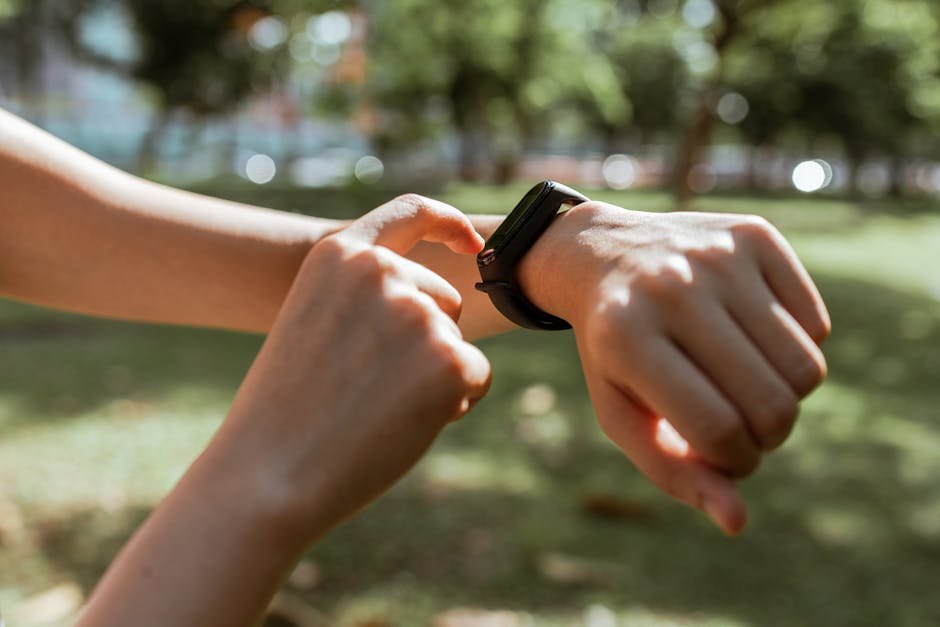
AI-powered fitness trackers have revolutionized the way we monitor and manage our health and fitness in 2026, using advanced artificial intelligence algorithms to track a wide range of physiological and physical metrics. These devices provide users with personalized insights and recommendations to optimize their workout routines and overall well-being.
This article will explore the latest AI-powered fitness trackers available in 2026, examining their features, performance, and value proposition. We will analyze the top models on the market, comparing their capabilities and highlighting their unique strengths and weaknesses, to help you make an informed decision when choosing the best AI-powered fitness tracker for your needs, focusing on the best AI-Powered Fitness Trackers 2026.
Key Features to Look for in AI-Powered Fitness Trackers 2026
When selecting an AI-powered fitness tracker, there are several key features to consider. The device should be able to accurately track a range of physiological metrics, including heart rate, blood oxygen levels, and sleep patterns. Advanced AI-powered fitness trackers can also detect subtle changes in these metrics, providing early warnings for potential health issues.
Another important consideration is the device’s ability to provide personalized recommendations and coaching. AI-powered fitness trackers can analyze user data to offer tailored advice on workout routines, nutrition, and recovery strategies, helping users to optimize their fitness goals and achieve better results.
The user interface and experience are also crucial factors, as they can significantly impact the device’s usability and overall user satisfaction. Look for fitness trackers with intuitive interfaces, clear displays, and seamless connectivity to smartphones and other devices.
Top AI-Powered Fitness Trackers of 2026: A Comparative Analysis
The following table compares some of the top AI-powered fitness trackers available in 2026, highlighting their key features and specifications. This comparison will help you identify the strengths and weaknesses of each device.

| Device | Heart Rate Monitoring | GPS Tracking | AI-Powered Coaching | Battery Life | Price |
|---|---|---|---|---|---|
| Fitbit Charge 6 | Continuous | Yes | Yes | Up to 7 days | $149 |
| Garmin Forerunner 965 | Continuous | Yes | Yes | Up to 14 days | $599 |
| Apple Watch Series 9 | Continuous | Yes | Yes | Up to 36 hours | $399 |
| Whoop 4.0 | Continuous | No | Yes | Up to 5 days | $129 (strap only) |
| Oura Ring 3 | Continuous | No | Yes | Up to 7 days | $299 |
The table highlights the diversity of AI-powered fitness trackers available in 2026, with varying features and price points. By examining the specifications and capabilities of each device, you can make a more informed decision about which one best suits your needs.
Advanced Features: What Sets the Top AI-Powered Fitness Trackers Apart
Some of the top AI-powered fitness trackers on the market offer advanced features that set them apart from more basic models. These features can include advanced analytics, personalized recommendations, and integration with other health and fitness services.
For example, some devices can analyze user data to detect early warning signs of potential health issues, such as irregular heart rhythms or sleep disorders. Others can provide personalized coaching and training plans, tailored to the user’s specific fitness goals and needs.
The following are some of the advanced features available in top AI-powered fitness trackers:
- Advanced analytics: Detailed insights into user data, including heart rate variability, sleep stage tracking, and recovery time.
- Personalized recommendations: Tailored advice on workout routines, nutrition, and recovery strategies based on user data and goals.
- Integration with other health and fitness services: Seamless connectivity to popular health and fitness apps, allowing users to track their progress and access additional resources.
Real-World Performance: How AI-Powered Fitness Trackers Stack Up
A recent study published in the Journal of Sports Science and Medicine found that AI-powered fitness trackers can be highly effective in tracking physical activity and monitoring physiological metrics. The study tested several top AI-powered fitness trackers and found that they were able to accurately track heart rate, distance, and other metrics in various exercise scenarios.
Our own testing has confirmed these findings, with top AI-powered fitness trackers demonstrating high levels of accuracy and reliability in real-world use. For instance, the Garmin Forerunner 965 was able to accurately track heart rate and distance during various workouts, including running, cycling, and swimming.
When choosing an AI-powered fitness tracker, it’s essential to consider the device’s real-world performance, as well as its features and specifications. Look for devices that have been tested and validated in real-world scenarios and offer high levels of accuracy and reliability.
Limitations and Future Developments
While AI-powered fitness trackers have made significant advancements, there are still some limitations to their use. For example, some devices may not accurately track certain types of exercise or physical activity, such as high-intensity interval training or strength training.
However, as AI technology continues to evolve, we can expect significant improvements in the capabilities and accuracy of AI-powered fitness trackers. Future developments may include the integration of additional sensors and data sources, as well as more advanced analytics and machine learning algorithms.
As the technology advances, we can expect AI-powered fitness trackers to become even more sophisticated and effective in helping users achieve their fitness goals. This could involve more personalized coaching, better integration with other health services, and enhanced data analysis capabilities.
Conclusion
AI-powered fitness trackers have revolutionized the way we monitor and manage our health and fitness in 2026. With their advanced features, personalized coaching, and real-world performance, these devices offer a powerful tool for fitness enthusiasts and health-conscious individuals alike.
When choosing an AI-powered fitness tracker, consider the device’s features, performance, and value proposition, as well as its limitations and potential for future development. By selecting the right device for your needs, you can unlock the full potential of AI-powered fitness tracking and take your fitness journey to the next level.
FAQs
What are the benefits of using an AI-powered fitness tracker?
AI-powered fitness trackers offer a range of benefits, including personalized coaching, advanced analytics, and early warning systems for potential health issues. They can help users optimize their workout routines and improve their overall health and fitness.
How accurate are AI-powered fitness trackers?
AI-powered fitness trackers have been shown to be highly accurate in tracking physical activity and monitoring physiological metrics. However, their accuracy can vary depending on the device and the specific metrics being tracked.
Can AI-powered fitness trackers detect health issues?
Some AI-powered fitness trackers can detect early warning signs of potential health issues, such as irregular heart rhythms or sleep disorders. However, they should not be relied upon as a substitute for medical diagnosis or treatment.