

A simple diffusion model is a mathematical representation used to describe how particles or information spread through a medium over time. This concept is particularly relevant in speculative fiction, where understanding diffusion models can enhance the realism of fictional narratives, especially in science fiction where technological and societal changes often spread through populations in diffusion-like patterns.
This article explores the concept of simple diffusion models, their applications in speculative fiction, and how they can be used to create more nuanced world-building. We’ll examine the key components, limitations, and practical examples of their use in storytelling.
Key Components of a Simple Diffusion Model
A simple diffusion model involves three main components: the diffusing substance, the medium, and the boundaries or constraints. In speculative fiction, these can represent ideas, technologies, or magical abilities spreading through a population or environment.
For instance, in science fiction, the diffusing substance might be a new technology, the medium could be a futuristic city’s population, and boundaries might include access to information or socioeconomic status.
Applications in Speculative Fiction World-Building
Simple diffusion models can be applied to various aspects of world-building, from technological advancements to magical knowledge dissemination. By using these models, authors can create more nuanced narratives that reflect real-world diffusion complexities.
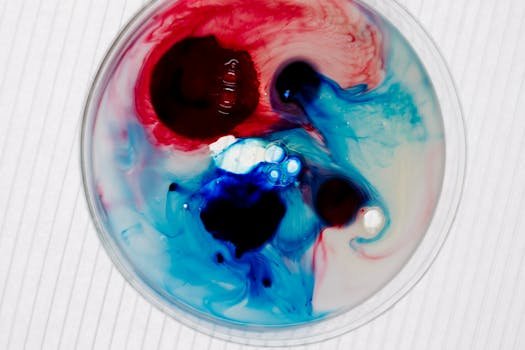
Some key applications include modeling technological adoption, magical knowledge spread, environmental changes, and social movements. These models help authors create believable scenarios for how innovations or changes might spread in their fictional worlds.
Limitations and Considerations of Simple Diffusion Models
While simple diffusion models provide valuable insights, they have limitations. They often assume a homogeneous medium and linear diffusion, which may not accurately represent real-world or fictional societies.
Authors should consider non-linear factors like government intervention, cultural resistance, or technological synergies that might influence the spread of ideas or technologies in their narratives.
Comparative Analysis of Diffusion Models
Simple diffusion models assume a homogeneous medium and linear diffusion, making them less realistic but more straightforward to apply.
More complex models account for heterogeneous media and non-linear diffusion, offering higher realism but increased complexity.
| Model Aspect | Simple Diffusion Model | Complex Diffusion Model |
|---|---|---|
| Assumptions | Homogeneous medium, linear diffusion | Heterogeneous medium, non-linear diffusion |
| Complexity | Low to moderate | High |
| Realism | Lower | Higher |
| Applicability | Basic world-building | Detailed simulations |
Practical Implementation in Storytelling
Authors can use simple diffusion models to create realistic narratives about the spread of ideas or technologies. By understanding diffusion basics, writers can add depth to their stories.
For example, an author might model how a new magical ability spreads through a population, considering access to magical education and social networks.
Conclusion
Simple diffusion models offer a valuable tool for speculative fiction authors to enhance their world-building realism. By applying these models, writers can create more nuanced narratives.
As you develop your speculative fiction world, consider using simple diffusion models to enrich your storytelling and create immersive experiences.
FAQs
What is a simple diffusion model?
A simple diffusion model describes how particles or information spread through a medium over time, assuming a homogeneous medium and linear diffusion.
How can simple diffusion models be applied to speculative fiction?
These models simulate the spread of technologies, magical knowledge, or social movements in fictional worlds, adding depth and realism.
What are the limitations of using simple diffusion models?
Simple diffusion models assume a homogeneous medium and linear diffusion, which may not accurately represent complex societies.
Can simple diffusion models be used for complex scenarios?
While useful as a starting point, simple diffusion models may not be sufficient for highly complex scenarios, requiring adaptations or more complex models.
Understanding Simple Diffusion Models in Speculative Fiction World-Building
A simple diffusion model is a mathematical representation used to describe how particles or information spread through a medium over time. This concept is particularly relevant in speculative fiction, where understanding diffusion models can enhance the realism of fictional narratives, especially in science fiction where technological and societal changes often spread through populations in diffusion-like patterns.
This article explores the concept of simple diffusion models, their applications in speculative fiction, and how they can be used to create more nuanced world-building.
Key Components of a Simple Diffusion Model
A simple diffusion model involves three main components: the diffusing substance, the medium, and the boundaries or constraints. In speculative fiction, these can represent ideas, technologies, or magical abilities spreading through a population or environment.
For instance, in science fiction, the diffusing substance might be a new technology, the medium could be a futuristic city’s population, and boundaries might include access to information or socioeconomic status.
Applications of Simple Diffusion Models
Simple diffusion models can be applied to various aspects of world-building, from technological advancements to magical knowledge dissemination.
Some key applications include modeling technological adoption, magical knowledge spread, environmental changes, and social movements.
Limitations of Simple Diffusion Models
While simple diffusion models provide valuable insights, they have limitations, often assuming a homogeneous medium and linear diffusion.
Authors should consider non-linear factors like government intervention, cultural resistance, or technological synergies.
Comparative Analysis of Diffusion Models
Simple diffusion models assume a homogeneous medium and linear diffusion, making them less realistic but more straightforward to apply. More complex models offer higher realism but increased complexity.
A comparison of simple and complex diffusion models is shown in the table below.
| Model Aspect | Simple Diffusion Model | Complex Diffusion Model |
|---|---|---|
| Assumptions | Homogeneous medium, linear diffusion | Heterogeneous medium, non-linear diffusion |
| Complexity | Low to moderate | High |
| Realism | Lower | Higher |
| Applicability | Basic world-building | Detailed simulations |
Practical Implementation in Storytelling
Authors can use simple diffusion models to create realistic narratives about the spread of ideas or technologies.
For example, an author might model how a new magical ability spreads through a population, considering access to magical education and social networks.
Conclusion
Simple diffusion models offer a valuable tool for speculative fiction authors to enhance their world-building realism.
By applying these models, writers can create more nuanced narratives that reflect the complexities of real-world diffusion processes.
FAQs
What is a simple diffusion model?
A simple diffusion model describes how particles or information spread through a medium over time.
How can simple diffusion models be applied to speculative fiction?
These models simulate the spread of technologies, magical knowledge, or social movements in fictional worlds.
What are the limitations of using simple diffusion models?
Simple diffusion models assume a homogeneous medium and linear diffusion, which may not accurately represent complex societies.
Can simple diffusion models be used for complex scenarios?
While useful as a starting point, simple diffusion models may not be sufficient for highly complex scenarios.