

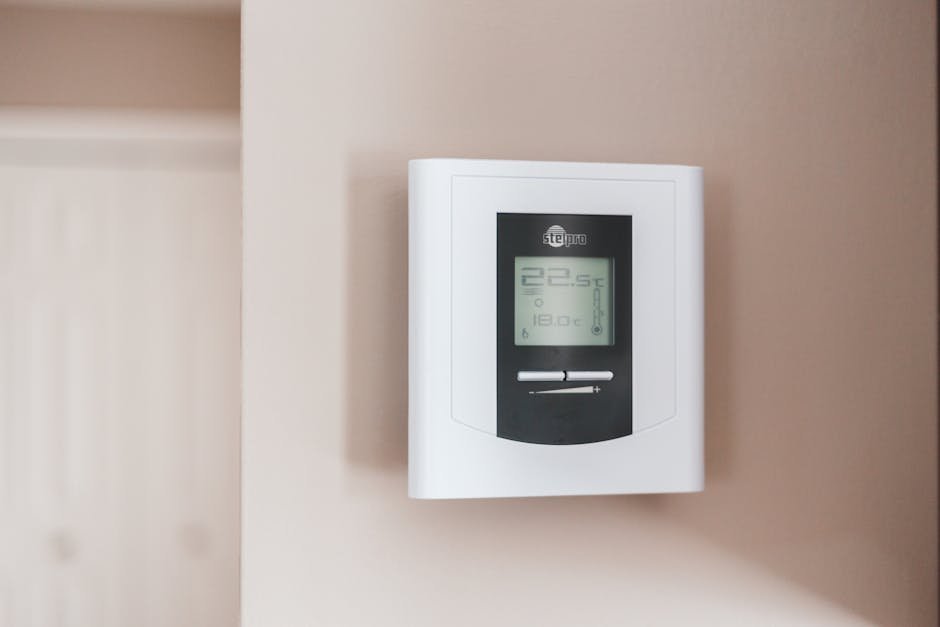
As we navigate the complexities of modern energy management, smart thermostats have emerged as a crucial tool for homeowners seeking to reduce their energy bills. In 2026, with energy costs continuing to fluctuate and environmental concerns at the forefront, understanding how smart thermostats work and their potential benefits is more relevant than ever. A smart thermostat is a device that learns and adapts to a household’s temperature preferences and schedules, optimizing heating and cooling usage accordingly. By using advanced technologies such as machine learning and IoT connectivity, these devices offer a sophisticated approach to home climate control. Heating and cooling account for nearly half of the average home’s energy consumption, making the potential for savings significant. The question on many homeowners’ minds is: how do smart thermostats reduce energy bills?
The promise of smart thermostats lies in their ability to not only automate temperature adjustments but also to provide insights into energy usage patterns. By analyzing data on how and when energy is consumed, homeowners can make informed decisions about their energy habits. This article will explore the various ways in which smart thermostats can help reduce energy bills, from their learning capabilities and remote access to their energy reporting features and integration with other smart home devices.
How Smart Thermostats Learn and Adapt to Reduce Energy Bills
One of the key features of smart thermostats is their ability to learn a household’s schedule and temperature preferences over time. This learning capability allows the thermostat to automatically adjust the temperature to optimize energy usage when the home is empty or when occupants are sleeping. For instance, a smart thermostat can learn that the house is typically unoccupied during certain hours of the day and adjust the temperature accordingly, thereby avoiding unnecessary heating or cooling. This adaptability not only enhances comfort but also contributes to significant energy savings.
The learning process is facilitated through algorithms that analyze data collected from various sensors and user inputs. Some smart thermostats can even use geofencing, using the location of occupants’ smartphones to determine when to adjust the temperature. This means that as soon as everyone leaves the house, the thermostat can switch to an energy-saving mode, and as occupants approach home, it can start warming up or cooling down the house to the preferred temperature. Studies have shown that such features can lead to substantial reductions in energy consumption.
Many smart thermostats can also adjust their operation based on external factors such as weather forecasts. By knowing when it’s going to be particularly hot or cold, a smart thermostat can preemptively adjust the temperature to maintain comfort while minimizing energy usage. This forward-thinking approach to temperature management is a significant step beyond traditional thermostat capabilities, directly contributing to how smart thermostats reduce energy bills.
Remote Access and Control
Smart thermostats offer the convenience of remote access and control through smartphone apps. This feature allows homeowners to adjust their home’s temperature from anywhere, ensuring that they can optimize their energy usage even when they’re not at home. For example, if a homeowner forgets to adjust the thermostat before leaving for vacation, they can do so remotely, avoiding unnecessary energy consumption. This level of control not only provides peace of mind but also contributes to energy savings.
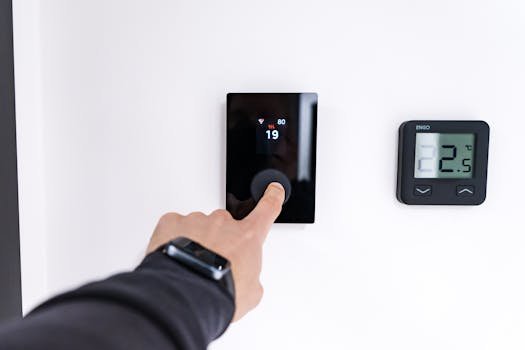
The ability to monitor and control the thermostat remotely also enables homeowners to respond to unexpected changes in their schedule. If plans change and the house will be occupied at an unusual time, the homeowner can adjust the temperature accordingly. This flexibility is particularly useful for households with variable schedules. Homeowners have reported high satisfaction rates with the remote access feature of smart thermostats.
Remote access can also facilitate maintenance and troubleshooting. Many smart thermostats can send alerts to homeowners if there’s an issue with the heating or cooling system, such as a filter needing replacement. This proactive approach to maintenance can help prevent inefficiencies and ensure that the HVAC system operates at its best, further reducing energy bills.
Energy Reporting and Insights
Smart thermostats often come with energy reporting features that provide detailed insights into energy usage patterns. These reports can help homeowners understand how much energy they’re using, when they’re using it, and how it compares to previous periods. By analyzing this data, homeowners can identify opportunities to reduce their energy consumption. For example, if the data shows that energy usage spikes during certain times of the day, homeowners can investigate the cause and make adjustments.
- Daily and Monthly Energy Reports: Many smart thermostats provide regular reports on energy usage, helping homeowners track their progress over time.
- Comparative Analysis: Some thermostats allow homeowners to compare their energy usage across different periods, providing a clear picture of the impact of their energy-saving efforts.
- Detailed Usage Statistics: By offering insights into how much energy is used for heating versus cooling, and during different times of the day, smart thermostats empower homeowners to make informed decisions about their energy habits.
The energy reporting features of smart thermostats are a crucial component in understanding how these devices can help reduce energy bills. By providing a clear picture of energy usage, homeowners can make targeted changes to reduce their energy consumption.
Integration with Other Smart Devices
The true potential of smart thermostats is often realized when they’re integrated with other smart home devices. By working in concert with devices such as smart lights, smart plugs, and home security systems, smart thermostats can be part of a broader smart home ecosystem that maximizes energy efficiency. For instance, a smart home system can be programmed so that when the thermostat detects that the house is empty, it not only adjusts the temperature but also turns off lights and other appliances, creating a comprehensive energy-saving strategy.
Integration can also enhance the functionality of smart thermostats. For example, some systems can use data from occupancy sensors to more accurately determine when the house is empty or occupied, further refining the thermostat’s ability to optimize energy usage. Households with integrated smart home systems have reported higher levels of satisfaction and energy savings.
| Feature | Basic Smart Thermostat | Advanced Smart Thermostat |
|---|---|---|
| Learning Capability | Basic scheduling | Advanced machine learning algorithms |
| Remote Access | Basic app control | Advanced geofencing and remote diagnostics |
| Energy Reporting | Monthly energy reports | Detailed daily reports and comparative analysis |
| Smart Home Integration | Limited integration | Seamless integration with multiple smart devices |
Real-World Energy Savings
A study by the Energy Star program found that homeowners who installed smart thermostats saved an average of $131 to $145 per year on their energy bills. These savings are achieved through a combination of the thermostat’s learning capabilities, remote access, and energy reporting features. By optimizing heating and cooling usage, smart thermostats can significantly reduce energy waste.
The actual amount saved can vary based on several factors, including the size of the home, the efficiency of the HVAC system, and the occupants’ behavior. However, the data suggests that smart thermostats can be a valuable tool for reducing energy consumption.
For example, a case study by Ecobee found that their smart thermostats helped homeowners save up to 26% on their heating bills. Such real-world examples demonstrate the potential of smart thermostats to make a significant impact on energy bills.
Choosing the Right Smart Thermostat
With a wide range of smart thermostats available on the market, choosing the right one can be a daunting task. Factors to consider include compatibility with the existing HVAC system, the level of smart home integration desired, and the specific features that are most important to the homeowner.
When selecting a smart thermostat, it’s essential to assess the specific needs of the household. For example, a large family with variable schedules might prioritize a thermostat with advanced geofencing capabilities, while a homeowner with a simple heating system might focus on a device with straightforward energy reporting.
Top-rated smart thermostats offer a balance of features, ease of use, and compatibility. Homeowners should consider their specific needs and preferences when making a decision.
Conclusion
In conclusion, smart thermostats offer a powerful means of reducing energy bills by optimizing heating and cooling usage. Through their learning capabilities, remote access, and energy reporting features, these devices provide homeowners with the tools they need to make informed decisions about their energy habits.
By understanding how smart thermostats work and their potential benefits, homeowners can take a practical and effective step towards a more energy-efficient home. As energy costs continue to rise, the potential savings offered by smart thermostats become increasingly attractive.
FAQs
What are the primary benefits of using a smart thermostat?
The primary benefits include energy savings through optimized heating and cooling, enhanced comfort through automated temperature adjustments, and valuable insights into energy usage patterns. These benefits work together to help homeowners reduce their energy bills.
Can smart thermostats work with all HVAC systems?
Most smart thermostats are designed to be compatible with a wide range of HVAC systems. However, it’s essential to check compatibility before purchasing to ensure a smooth installation process.
How much can I expect to save on my energy bills with a smart thermostat?
According to the Energy Star program, homeowners can save an average of $131 to $145 per year. Actual savings will depend on various factors, including the efficiency of the HVAC system and the household’s energy usage habits.