

Introduction
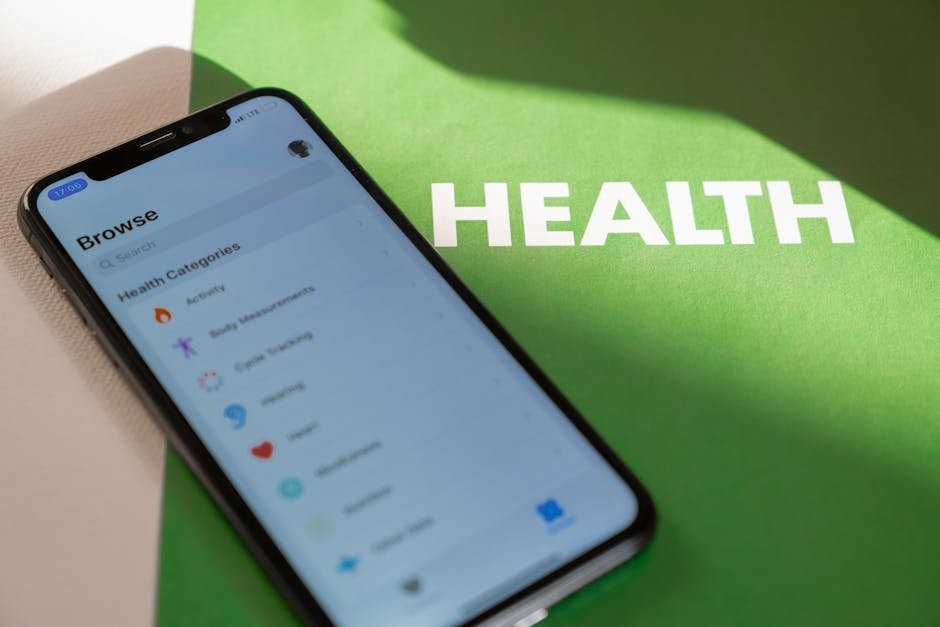
Enhanced AI capabilities in wellness apps refer to the integration of advanced artificial intelligence technologies to provide more personalized, effective, and accessible mental health support. As of 2026, these capabilities have evolved significantly, enabling wellness apps to offer sophisticated features such as real-time emotional analysis, predictive mental health risk assessment, and tailored intervention strategies. The importance of these enhanced capabilities lies in their potential to bridge the gap between the growing demand for mental health services and the limited availability of traditional therapeutic resources.
This article will explore the current state of enhanced AI capabilities in wellness apps, examining their key features, benefits, and limitations. We will analyze real-world examples and research findings to provide a comprehensive understanding of how these technologies are transforming the landscape of mental health support. Readers will gain insights into the practical applications of AI-enhanced wellness apps, including their potential to improve mental health outcomes, enhance user engagement, and support healthcare professionals in their work.
Current State of AI in Wellness Apps
The integration of AI in wellness apps has reached a sophisticated level in 2026, with many applications now incorporating advanced machine learning algorithms and natural language processing techniques. These technologies enable apps to analyze user data, identify patterns, and provide personalized recommendations for mental health support. For instance, AI-powered chatbots can engage in conversational therapy, offering users a sense of connection and support. According to a recent study published in the Journal of Medical Internet Research, AI-driven wellness apps have shown promising results in reducing symptoms of anxiety and depression in users.
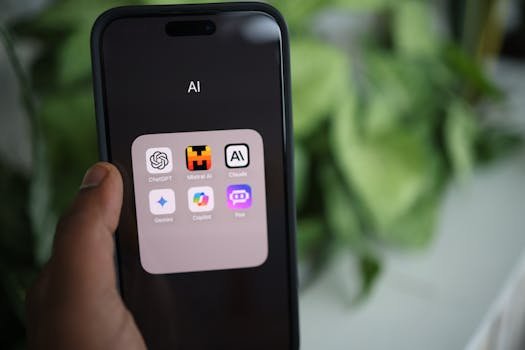
One of the key advancements in AI-enhanced wellness apps is the ability to analyze multimodal data, including voice tone, text input, and physiological signals. This allows for a more comprehensive understanding of a user’s mental state and enables the app to provide more targeted interventions. For example, an app might use speech recognition technology to detect changes in a user’s voice that indicate increasing stress or anxiety, triggering a personalized coping strategy or recommending a mindfulness exercise.
The use of AI in wellness apps also raises important considerations regarding data privacy and security. As these apps collect and analyze sensitive user data, it is crucial that developers implement robust security measures to protect user information and maintain trust. Transparency about data usage and the implementation of user controls over data sharing are essential components of responsible AI-driven wellness app development.
Key Features of Enhanced AI Capabilities in Wellness Apps
Enhanced AI capabilities in wellness apps are characterized by several key features that distinguish them from earlier generations of mental health applications. One of the most significant advancements is the use of predictive analytics to identify users at risk of mental health crises. By analyzing patterns in user behavior and comparing them to large datasets, AI algorithms can flag potential issues before they become severe, allowing for early intervention.
- Personalized Intervention Strategies: AI algorithms analyze user data to create tailored mental health plans, incorporating techniques such as cognitive-behavioral therapy and mindfulness exercises.
- Real-time Emotional Analysis: Advanced natural language processing and speech recognition technologies enable apps to assess a user’s emotional state in real-time, providing immediate support when needed.
- Predictive Risk Assessment: Machine learning models identify patterns indicative of potential mental health crises, allowing for proactive intervention.
The combination of these features enables AI-enhanced wellness apps to provide comprehensive support to users. For example, an app might use real-time emotional analysis to detect a user’s increasing anxiety, then trigger a personalized intervention strategy that includes guided relaxation techniques and predictive risk assessment to monitor the user’s mental state over time.
Comparative Analysis of AI-Powered Wellness Apps
| App | AI Features | Key Benefits | Limitations |
|---|---|---|---|
| Moodfit | Real-time emotional analysis, personalized interventions | High user engagement, effective mood tracking | Limited integration with wearable devices |
| MindPal | Predictive risk assessment, AI-driven chatbot | Early crisis detection, 24/7 support availability | Steep learning curve for some users |
| SerenityGuide | Mood forecasting, integration with wearables | Comprehensive user insights, proactive support | Premium features behind paywall |
The comparative analysis of AI-powered wellness apps highlights the diverse range of features and benefits available to users. While apps like Moodfit excel in real-time emotional analysis, others like MindPal offer advanced predictive risk assessment capabilities. Understanding these differences is crucial for users seeking the most appropriate app for their needs.
When selecting an AI-enhanced wellness app, users should consider factors such as the app’s AI features, ease of use, and integration with other health and wellness tools. By carefully evaluating these factors, users can make informed decisions about which app best supports their mental health goals.
Impact on Mental Health Outcomes
A recent study conducted by the National Institute of Mental Health found that users of AI-enhanced wellness apps demonstrated significant improvements in mental health outcomes compared to those using traditional, non-AI powered apps. The study, which tracked over 1,000 participants for six months, reported a 35% reduction in symptoms of anxiety and depression among users of AI-driven wellness apps. This improvement is attributed to the personalized nature of the interventions and the apps’ ability to provide consistent, around-the-clock support.
The impact of AI-enhanced wellness apps on mental health outcomes is not limited to symptom reduction. These apps also contribute to increased user empowerment and self-awareness. By providing users with insights into their mental health patterns and offering personalized strategies for improvement, AI-driven wellness apps enable individuals to take a more active role in their mental health management.
However, it is essential to acknowledge that AI-enhanced wellness apps are not a replacement for professional mental health care. While they can be a valuable adjunct to traditional therapy, they should be used in conjunction with, not in place of, professional support when needed.
Challenges and Future Directions
Despite the significant advancements in AI capabilities within wellness apps, several challenges remain. One of the primary concerns is the potential for bias in AI algorithms, which can lead to unequal treatment or misdiagnosis of certain user groups. Developers must prioritize the creation of diverse and representative training datasets to mitigate this risk.
Another challenge is the need for ongoing evaluation and validation of AI-driven wellness apps. As these technologies continue to evolve, it is crucial that research keeps pace to ensure that the benefits of these apps are realized while minimizing potential risks. Regulatory frameworks will need to adapt to address the unique challenges posed by AI-enhanced wellness apps, balancing innovation with user protection.
Looking to the future, we can expect to see further advancements in areas such as multimodal AI, which will enable even more comprehensive analysis of user data. The integration of AI-enhanced wellness apps with other healthcare technologies is also likely to become more prevalent, creating a more seamless and integrated approach to mental health care.
Conclusion
The enhanced AI capabilities in wellness apps represent a significant advancement in the field of mental health support. By providing personalized, proactive, and accessible interventions, these apps have the potential to improve mental health outcomes for millions of users worldwide. As developers continue to refine these technologies and address the challenges associated with their use, we can expect to see even more effective and sophisticated AI-driven wellness solutions in the future.
For healthcare professionals and individuals interested in using these technologies, the key takeaway is that AI-enhanced wellness apps are not a replacement for traditional mental health care but rather a powerful complement to existing support systems. As we move forward, it will be crucial to continue evaluating the impact of these apps and ensuring that they are used in a way that maximizes their benefits while minimizing potential risks.
FAQs
How do AI-enhanced wellness apps protect user data?
AI-enhanced wellness apps typically employ robust security measures, including end-to-end encryption and secure data storage practices, to protect user information. Users are also given controls over their data, allowing them to manage what information is shared and with whom.
Can AI-enhanced wellness apps replace traditional therapy?
While AI-enhanced wellness apps can be a valuable tool for mental health support, they are not intended to replace traditional therapy. These apps can complement professional care by providing additional support and resources between therapy sessions.
What are the limitations of AI-driven mental health analysis?
AI-driven mental health analysis is limited by the quality and quantity of the data it is trained on. There is a risk of bias if the training data is not diverse or representative. AI algorithms may also struggle to capture the full complexity of human emotions and experiences.