Table of Contents
- Incorporate Native Plants
- Utilize Mulch for Weed Control
- Integrate Hardscaping Elements
- Choose Drought-Tolerant Grass Alternatives
- Opt for Perennials Over Annuals
- Implement Efficient Irrigation Systems
- Frequently Asked Questions
- Conclusion
Creating a beautiful and functional yard in Winchester, VA does not have to require endless hours of upkeep. With strategic choices tailored to the region’s climate and environment, homeowners can dramatically boost curb appeal and enjoy their outdoor spaces more. Working with the best landscaping company in Virginia can help ensure your landscape stays stunning while keeping maintenance low. This guide explores practical, sustainable landscaping ideas tailored to the unique conditions of Winchester, VA, helping you achieve a thriving yard with less effort.
Implementing these solutions means you will spend more time enjoying your yard than working in it. By prioritizing plants, materials, and systems built for low maintenance, you reduce ongoing chores and costs. These approaches can benefit your household, local wildlife, and the broader community, promoting a landscape that is both easy to care for and environmentally responsible. These low-maintenance ideas not only streamline your landscaping routine but also create a more resilient and biodiverse outdoor environment. According to experts at the United States Department of Agriculture, native plants and sustainable landscape choices can significantly reduce water use and the need for chemical inputs, leading to better long-term results for homeowners.
Incorporate Native Plants
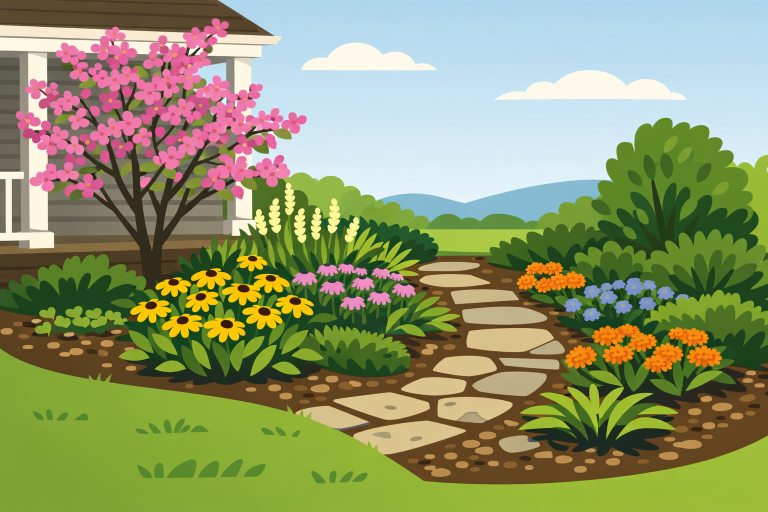
Choosing native plants is one of the most effective ways to reduce yard maintenance. The Winchester area features a variety of native species that thrive in local conditions with minimal extra care. Consider adding the following options:
- Eastern Redbud (Cercis canadensis): Small deciduous tree offering bright spring blooms and heart-shaped leaves.
- Black-eyed Susan (Rudbeckia hirta): Hardy perennial known for its cheerful, golden-yellow flowers.
- Switchgrass (Panicum virgatum): Attractive ornamental grass that adds movement and texture.
Native plants are well-adapted to Winchester’s weather and soil types, meaning less watering and fewer supplemental fertilizers or pesticides are needed. They also provide habitat for pollinators and other beneficial wildlife, supporting the local ecosystem.
Utilize Mulch for Weed Control
Mulch is a powerful tool for low-maintenance landscaping. Applying wood chips, shredded bark, or pine straw around your plants can help prevent weeds and lock in soil moisture. Organic mulches, in particular, gradually break down over time and enrich the soil with nutrients, improving plant health without chemical fertilizers. A 2 to 3-inch layer of mulch can also moderate soil temperature, protecting roots from extreme heat or cold. This method reduces how often you need to water or weed the garden, making yard care much simpler year-round.
Integrate Hardscaping Elements
Hardscaping includes non-plant features such as patios, stone walkways, retaining walls, and decorative boulders. By reducing traditional grass lawns and replacing them with durable surfaces, you limit the areas that need mowing, watering, and fertilizing. For example, transforming a section of turf into a flagstone dining area or a gravel pathway significantly reduces the time and labor needed to maintain your yard. Beyond aesthetics, well-designed hardscaping improves accessibility, usability, and overall value for your property.
Choose Drought-Tolerant Grass Alternatives
Traditional lawns in Virginia demand constant attention, from irrigation and mowing to fertilization. Instead, consider switching to low-maintenance, drought-tolerant plants as your ground cover. Options like white clover, creeping thyme, or a mix of ornamental grasses such as blue fescue can tolerate dry spells and still look lush.
These alternatives establish deep root systems, require far less mowing, and can stay green without weekly watering schedules. Grass alternatives are ideal for reducing total upkeep while keeping your landscape vibrant and healthy.
Opt for Perennials Over Annuals
Perennials are a wise choice for minimizing replanting and ensuring color returns to your garden year after year. Unlike annuals, which need replanting each season, perennials like:
- Butterfly Weed (Asclepias tuberosa): Vivid orange blooms that attract butterflies and require little intervention.
- Foamflower (Tiarella cordifolia): Delicate spring blossoms and attractive foliage, thriving even in shade.
- Coreopsis (Coreopsis spp.): Drought-tolerant with minimal care, offering cheerful blooms throughout the warm months.
Establishing perennial beds reduces ongoing work and provides consistent beauty and ecological benefits season after season.
Implement Efficient Irrigation Systems
Water conservation is vital for sustainable landscaping. Drip irrigation systems or soaker hoses deliver water directly to plant roots, minimizing evaporation and runoff. These systems can be adjusted or put on automatic timers, reliably maintaining soil moisture without manual intervention.
Modern irrigation technology ensures your plants receive the right amount of water at the optimal time, helping you save on both water bills and time spent managing hoses or sprinklers.
Frequently Asked Questions
What are the benefits of using native plants in my landscape?
Native plants require less water, fertilizer, and maintenance than non-native options. They bolster local biodiversity and often withstand pests and diseases better.
How does mulch contribute to a low-maintenance yard?
Mulch locks in moisture, blocks sunlight to suppress weeds, and helps regulate soil temperature, reducing both watering and weeding.
Can hardscaping elements increase my property’s value?
Yes. Adding stone patios, walkways, or retaining walls can increase curb appeal and usability, potentially boosting property values.
Are there any low-maintenance grass alternatives suitable for Winchester, VA?
Yes, white clover, ornamental grasses, and certain ground covers like creeping thyme work well in Winchester’s climate and demand much less care than traditional lawns.
How do efficient irrigation systems reduce maintenance?
Automated systems target roots directly, use water efficiently, and reduce manual watering, keeping plants healthy while cutting down on your workload.
By adopting these low-maintenance landscaping ideas, Winchester homeowners can craft a stunning, easy-care yard, enjoy more outdoor relaxation, and do less yard work.
Conclusion
Designing a low-maintenance yard is both practical and rewarding when you focus on smart, sustainable choices. By incorporating native plants, using mulch, reducing lawn space with hardscaping, and selecting drought-tolerant alternatives, homeowners can significantly reduce upkeep without sacrificing beauty. Adding perennials and efficient irrigation systems further ensures long-term success with minimal effort. These strategies not only save time and resources but also support a healthier local ecosystem. With the right approach, you can enjoy a vibrant, resilient outdoor space that enhances your property while allowing you to spend less time maintaining it and more time appreciating it.