
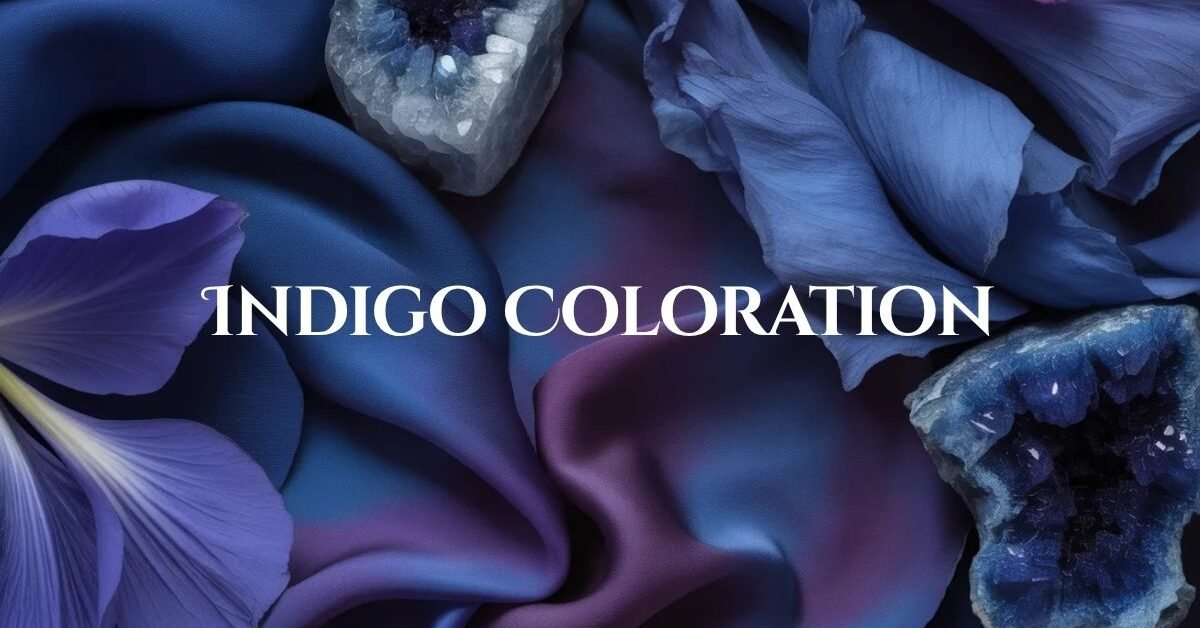
Indigo coloration has fascinated humans for centuries with its deep, rich blue tone that feels both natural and luxurious. From ancient textiles to modern fashion, indigo remains one of the most iconic dyes in the world. What makes it special is not just its color, but also the unique process behind it. Unlike many synthetic dyes, indigo develops its shade through oxidation, giving fabrics a living, evolving appearance. In this guide, we will explore how indigo coloration works, its history, and why it continues to be popular today.
Table of Contents
What Is Indigo Coloration?
Indigo coloration refers to the process of dyeing fabrics using indigo dye, a natural or synthetic compound known for its deep blue hue. The most unique aspect of indigo is that it does not penetrate fibers in the usual way. Instead, it sits on the surface and bonds through oxidation when exposed to air. This process creates a vibrant color that fades beautifully over time. Because of this, indigo-dyed items develop a unique patina, making each piece look distinct and personal.
The History of Indigo Dyeing
The story of indigo coloration dates back thousands of years, making it one of the oldest known dyeing techniques. Ancient civilizations in India, Egypt, and China used natural indigo extracted from plants to color fabrics. It became so valuable that it was often referred to as “blue gold” due to its high demand and trade value. During colonial times, indigo farming played a major role in global trade, although it also led to social and economic challenges. Despite these complexities, indigo remained a symbol of craftsmanship and cultural identity.
How Indigo Dye Is Made
Traditional indigo dye is derived from plants, primarily from species like Indigofera. The leaves are harvested, fermented, and processed to extract the dye compound. What makes this process fascinating is that the dye initially appears greenish or yellowish before turning blue when exposed to oxygen. This transformation is a key feature of indigo coloration. Today, most indigo used in industry is synthetic, offering consistency and cost efficiency while maintaining the same visual appeal.
The Unique Dyeing Process
Indigo dyeing is unlike any other textile coloring method. The fabric is dipped into a dye vat where the indigo is in a reduced, soluble form. When removed and exposed to air, the fabric gradually turns blue as oxidation occurs. This process can be repeated multiple times to deepen the shade. The layering effect gives indigo its rich depth and complexity. The result is a color that feels alive, changing slightly with wear and washing over time.
Indigo in Fashion and Textiles
Indigo coloration is widely associated with denim, especially in jeans, but its use goes far beyond that. Designers use indigo for shirts, dresses, scarves, and even home décor items. Its versatility allows it to fit both traditional and modern styles. One reason for its popularity is how well it pairs with other colors, creating elegant and timeless combinations. Indigo fabrics also age gracefully, which adds to their charm and long-term appeal.
Natural vs Synthetic Indigo
There are two main types of indigo used today: natural and synthetic. Natural indigo is plant-based and often preferred for its eco-friendly and artisanal qualities. However, it requires more time and effort to produce. Synthetic indigo, on the other hand, is widely used in the textile industry due to its consistency and affordability. While both produce similar visual results, natural indigo often has subtle variations that make each piece unique.
Environmental Impact of Indigo Dyeing
Indigo coloration has both positive and negative environmental aspects. Natural indigo is biodegradable and generally considered more sustainable. However, traditional dyeing processes can use significant amounts of water. Synthetic indigo production may involve chemicals that require careful handling and disposal. In recent years, many brands have started adopting eco-friendly dyeing methods to reduce environmental impact. Innovations in waterless dyeing and organic farming are helping make indigo more sustainable.
Cultural Significance of Indigo
Indigo has deep cultural roots in many parts of the world. In countries like Japan, India, and parts of Africa, indigo dyeing is an important part of traditional craftsmanship. Different regions have developed unique techniques and patterns, reflecting their heritage and identity. Indigo textiles are often used in ceremonies, clothing, and art, making them more than just decorative items. They carry stories, traditions, and cultural values passed down through generations.
Why Indigo Fades Beautifully
One of the most loved features of indigo coloration is how it fades over time. Unlike other dyes, indigo does not fully penetrate the fabric fibers. This means it gradually wears off with use, creating lighter shades and patterns. This fading process is especially noticeable in denim, where it creates a worn-in, vintage look. Many people appreciate this natural aging because it adds character and uniqueness to their clothing.
Modern Innovations in Indigo Dyeing
The world of indigo coloration continues to evolve with new technologies and innovations. Researchers and designers are working on sustainable dyeing methods that use less water and fewer chemicals. Digital dyeing techniques and bio-based indigo production are also gaining attention. These advancements aim to preserve the beauty of indigo while reducing its environmental footprint. As a result, indigo remains relevant in both traditional and modern industries.
Tips for Caring for Indigo-Dyed Fabrics
Taking care of indigo-dyed fabrics requires a bit of attention to maintain their beauty. Washing them less frequently helps preserve the color and prevent excessive fading. When washing is needed, using cold water and mild detergent is recommended. Air drying instead of machine drying can also help extend the life of the fabric. Over time, proper care allows indigo items to develop a unique and attractive appearance that reflects personal use.
Conclusion
Indigo coloration is more than just a dyeing technique; it is a blend of art, science, and history. Its deep blue color, unique dyeing process, and cultural significance make it truly special. From ancient traditions to modern fashion, indigo continues to captivate people around the world. Its ability to evolve and adapt ensures that it will remain a timeless choice for generations to come. Whether natural or synthetic, indigo represents beauty, craftsmanship, and sustainability in a single shade of blue.
FAQs
What is indigo coloration?
Indigo coloration is a dyeing process that uses indigo dye to create deep blue shades on fabrics through oxidation.
What makes indigo dye unique?
Indigo dye is unique because it develops its color when exposed to air and fades beautifully over time.
Is natural indigo better than synthetic?
Natural indigo is more eco-friendly and artisanal, while synthetic indigo offers consistency and lower cost.
Why do indigo fabrics fade?
Indigo sits on the surface of fibers, so it gradually wears off, creating a faded and vintage look.
Where is indigo commonly used?
Indigo is widely used in denim, clothing, textiles, and traditional crafts around the world.