
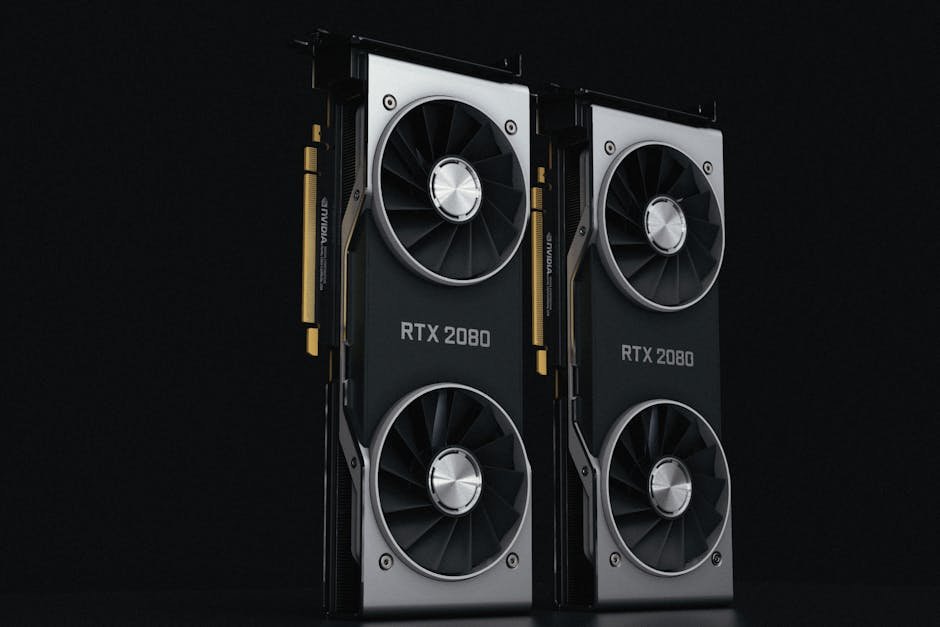
Nvidia’s DLSS (Deep Learning Super Sampling) frame generation is a revolutionary technology that uses artificial intelligence to generate intermediate frames between rendered frames, effectively increasing the frame rate of games without requiring additional GPU power. This technology continues to evolve and improve, offering gamers smoother and more immersive experiences. The question on many gamers’ minds is: how does Nvidia DLSS frame generation work?
This article will break down the technical details behind Nvidia’s innovative technology, exploring its architecture, benefits, and limitations, as well as its impact on the gaming industry. We’ll examine the technical aspects of DLSS frame generation and its potential to transform the gaming landscape.
The Basics of DLSS Frame Generation
DLSS frame generation is built upon Nvidia’s DLSS technology, which uses deep learning to improve rendering performance. The frame generation component analyzes rendered frames and motion vectors to predict what the intermediate frames should look like, effectively doubling or tripling the frame rate.
The process involves the GPU rendering frames at a lower resolution, which are then upscaled using DLSS. The frame generation component creates new frames that are inserted between the original rendered frames, resulting in a smoother gaming experience.
Technical Architecture
The technical architecture of DLSS frame generation involves a sophisticated neural network trained on vast amounts of gaming data. This network analyzes rendered frames, motion vectors, and other relevant information to generate high-quality intermediate frames.
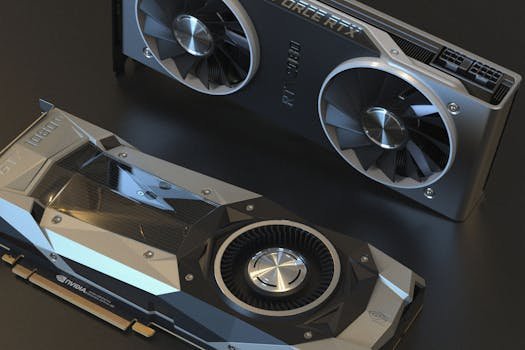
The neural network is trained using a massive dataset of rendered frames and their corresponding intermediate frames, enabling it to learn patterns and relationships between frames and generate accurate intermediate frames in real-time.
Key Benefits and Limitations
- Improved Performance: DLSS frame generation can significantly boost frame rates.
- Enhanced Visual Quality: By generating intermediate frames, DLSS can help reduce screen tearing.
- Compatibility: DLSS frame generation is compatible with a wide range of games and hardware configurations.
- Limitations in fast-paced games: DLSS may struggle to accurately predict motion.
- Hardware Requirements: Nvidia’s RTX series GPUs are required.
- Training Data Quality: The quality of training data impacts effectiveness.
Comparison with Other Frame Rate Boosting Technologies
| Technology | Method | Performance Boost | Visual Quality Impact |
|---|---|---|---|
| DLSS Frame Generation | AI-generated intermediate frames | Significant (up to 2x or more) | Minimal to none |
| AMD FSR | Spatial upscaling | Moderate | Some quality loss |
| Intel XeSS | AI-based upscaling | Moderate to significant | Minimal quality loss |
| Traditional Interpolation | Simple frame interpolation | Limited | Often noticeable artifacts |
Future Developments and Impact
As DLSS frame generation evolves, we can expect further improvements in performance and visual quality. Nvidia will likely continue refining the technology, expanding its compatibility with more games and hardware.
The success of DLSS frame generation will drive competition in frame rate boosting technologies, potentially leading to innovations from other hardware manufacturers and game developers.
Conclusion
Nvidia’s DLSS frame generation represents a significant leap forward in gaming technology, offering improved performance and visual quality. The technology relies on sophisticated AI models to generate intermediate frames, effectively doubling or tripling frame rates in supported games.
To experience the benefits, users need an RTX-series GPU and games that support DLSS frame generation.
FAQs
What is the minimum GPU requirement for DLSS frame generation?
DLSS frame generation requires Nvidia’s RTX series GPUs. The specific model depends on the game and desired performance level.
Does DLSS frame generation work with all games?
No, it requires specific support from game developers, although the list of supported titles is growing.
Can DLSS frame generation be used alongside other performance-enhancing technologies?
Yes, it can often be used with other technologies like DLSS upscaling and ray tracing, depending on the game and hardware.
How does DLSS frame generation impact input lag?
It can potentially reduce input lag by providing a smoother frame rate, although the actual impact varies depending on the game and hardware.