
Key Takeaways
- Non-surgical cosmetic procedures are increasingly popular due to their minimal downtime and natural-looking results.
- Technological advancements have enhanced the safety and effectiveness of these treatments.
- Social media significantly influences beauty trends and the demand for non-invasive enhancements.
- Affordability and accessibility have made cosmetic treatments more mainstream.
Table of Contents
- Rising Popularity of Non-Surgical Procedures
- Technological Advancements in Cosmetic Treatments
- Social Media Influence on Beauty Standards
- Affordability and Accessibility
- Psychological Impacts of Cosmetic Enhancements
- Future Trends in Non-Surgical Cosmetic Treatments
Rising Popularity of Non-Surgical Procedures
Non-surgical cosmetic treatments have become a cornerstone of modern beauty culture. Their appeal lies in their ability to deliver noticeable yet subtle enhancements without the lengthy recovery periods associated with surgery. Many individuals are turning to injectables, laser treatments, and skin-tightening procedures for results that look natural and refreshed. Practices like BE Aesthetics are seeing growing interest, reflecting how these treatments are permeating mainstream preferences across different age groups and backgrounds.
Statistical trends support this movement. A Pew Research Center survey found that nearly one in four U.S. adults has undergone or considered a non-surgical cosmetic procedure. This upward trajectory is not limited to one demographic and instead signals a broader cultural shift toward embracing personal enhancement through less invasive interventions.
This surge is also driven by societal attitudes that increasingly prioritize wellness, self-care, and convenience. People want quick results without sacrificing their daily routines or enduring significant discomfort. As a result, the market for non-surgical cosmetic solutions continues to expand, making these alternatives as common as traditional beauty services like hair coloring or dental whitening.
With mainstream acceptance, non-surgical treatments are also shedding much of the stigma that once surrounded cosmetic procedures. Rather than being seen as a sign of vanity, these choices are more often valued as legitimate avenues for self-expression and confidence-building. This realignment of attitudes, bolstered by the visible successes of influencers and celebrities, signals just how powerful the non-surgical movement has become.
Technological Advancements in Cosmetic Treatments
The rapid evolution of cosmetic technology has been a crucial force behind the popularity of non-surgical procedures. Sophisticated devices now use methods such as high-intensity focused ultrasound (HIFU) and radiofrequency energy to tighten skin, stimulate collagen production, and smooth wrinkles. Procedures that once required extensive downtime can now be performed quickly, safely, and with impressive results.
Additionally, artificial intelligence is transforming treatment planning. AI-guided systems analyze patient data, facial structure, and personal preferences to suggest optimal approaches, leading to increasingly personalized care. This combination of new energy-based devices and data-driven customization allows practitioners to deliver natural-looking improvements explicitly tailored to each client’s unique anatomy and goals.
Credible sources such as the New York Times have chronicled these advancements, noting that technology helps bridge the gap between unrealistic beauty standards and achievable, healthy outcomes. Continued investment in research and innovation promises even more effective and accessible options in the coming years.
Social Media Influence on Beauty Standards
Social media is an undeniable influencer in beauty. Across platforms like Instagram and TikTok, users celebrate “before and after” stories that highlight the power of non-invasive treatments. The phenomenon dubbed “Snapchat dysmorphia” describes individuals who seek to emulate their filtered online personas, underscoring the profound impact digital culture can have on self-image and beauty goals.
The viral spread of beauty trends online has normalized conversations about cosmetic enhancements. Influencers often share their experiences openly, removing the secrecy or embarrassment that sometimes accompanied these procedures in the past. This transparency inspires informed decision-making but also underscores the need for balanced perspectives and mental well-being.
According to The Washington Post, social content both raises awareness of available treatments. It contributes to rapidly shifting beauty ideals, making it vital for individuals to approach enhancement with realistic expectations and self-respect.
Affordability and Accessibility
Just a decade ago, non-surgical cosmetic services were viewed as niche luxuries. Today, changes in pricing, wider geographic availability, and greater provider competition have brought these options within reach for more people than ever before. Clinics can be found in both urban and suburban areas, often offering flexible payment plans to accommodate varying budgets.
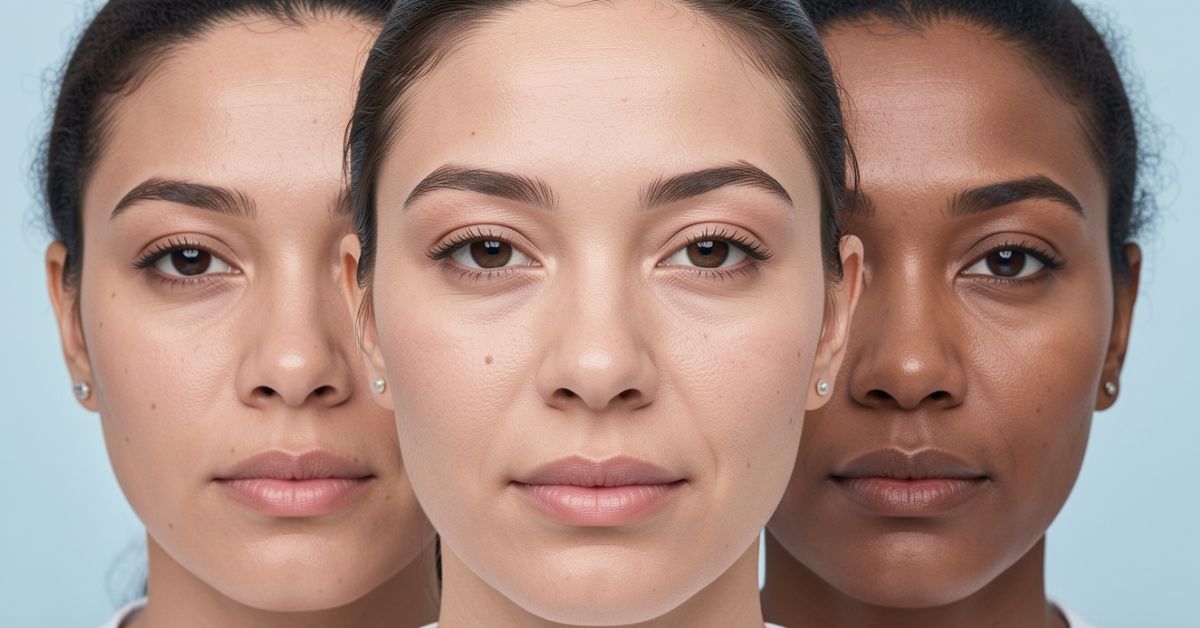
This democratization of cosmetic procedures contributes to the expanding definition of beauty. Increased accessibility allows individuals from diverse backgrounds to explore treatments that reflect their identity and aspirations. No longer reserved solely for celebrities or the wealthy, these procedures empower individuals to shape their appearance in line with their personal values and resources.
Psychological Impacts of Cosmetic Enhancements
While many report greater self-assurance and satisfaction following non-surgical treatments, the psychological effects deserve close attention. The use of AI-driven beauty apps has been shown to influence self-esteem and self-perception, particularly for women and non-binary individuals. Managing expectations is crucial to ensuring that enhancements amplify confidence rather than become a source of anxiety or self-criticism.
Approaching Enhancements with Mindfulness
Practitioners are increasingly aware of these dynamics and strive to foster conversations around body positivity, authenticity, and informed choices. Individuals are encouraged to seek reputable providers, engage in honest self-reflection, and prioritize mental well-being alongside any aesthetic changes. Resources such as Psychology Today offer insight into the complexities of body image and the importance of self-compassion in a beauty-focused society.
Future Trends in Non-Surgical Cosmetic Treatments
The future of non-surgical cosmetic treatments looks exceptionally promising. Ongoing innovations are ushering in even more advanced energy-based devices, injectable formulations, and AI-integrated tools for truly personalized outcomes. As these advances continue, the safety, effectiveness, and customization of procedures will only improve, helping to ensure that enhancements stay aligned with evolving beauty standards and individual desires.
In the coming years, expect greater emphasis on natural enhancements, faster procedures, and comprehensive consultations that prioritize well-being as much as aesthetics. This movement will likely redefine what it means to pursue beauty in an age where authenticity, inclusivity, and technological empowerment intersect.