

Key Takeaways
- Plan PEX layouts carefully to prevent leaks and ensure optimal water flow.
- Choose the right fittings and installation methods for secure connections.
- Shield PEX from sunlight and extreme temperatures to extend its lifespan.
- Conduct routine inspections and address minor issues early to prevent significant problems.
Residential plumbing has significantly advanced in recent decades, with cross-linked polyethylene (PEX) piping emerging as the preferred choice for many homeowners and contractors. Not only does PEX offer flexibility and long-term durability, but it also provides a cost-effective solution compared to traditional materials. To ensure a reliable system that stands the test of time, mastering the proper installation and maintenance techniques is crucial. For high-quality piping tools and supplies, Cruco Mill & Industrial Supply is a trusted resource for both professional plumbers and DIY enthusiasts.
Properly installed PEX plumbing dramatically reduces the likelihood of leaks, simplifies construction, and can accommodate unique layouts in modern homes. Whether you’re upgrading an existing system or starting new construction, understanding the critical steps of design, material selection, protection, and ongoing care will provide peace of mind and performance for years to come.
Planning the Layout
Every successful PEX installation begins with comprehensive planning. Create a detailed map of your plumbing system, noting all fixture locations and main supply lines. By minimizing unnecessary bends and joints, you reduce both water flow restrictions and potential leak points. Always allow for easy future maintenance by placing shut-off valves and service panels in accessible areas. Sharper bends should be avoided, as they can weaken the tubing or cause kinks that affect water pressure. Consult reputable resources like Family Handyman for more layout strategies and troubleshooting tips.
Selecting the Right Fittings
PEX pipes require specific fittings designed for secure and reliable seals. Most commonly, you’ll encounter crimp rings, push-fit connectors, and expansion fittings, each with its own set of compatible tools. Using components and materials from the same manufacturer can prevent compatibility issues that might lead to leaks. Strictly adhere to the manufacturer’s installation instructions to guarantee durability and code compliance. Avoid mixing materials, as incompatible fittings can undermine system integrity.
Maintaining System Flexibility
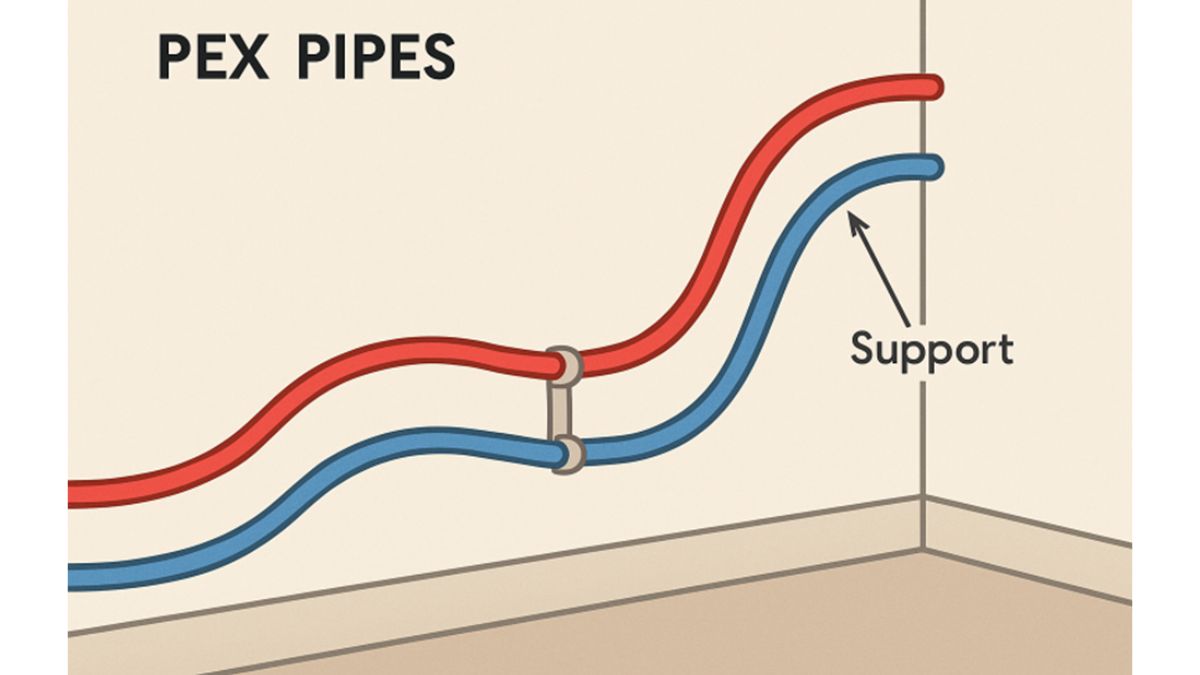
One of PEX’s defining characteristics is its inherent flexibility, which streamlines installation around obstacles and reduces the need for numerous elbow fittings. To preserve this quality, space the pipe supports correctly, typically every 32 to 48 inches for horizontal runs. Never overtighten hangers or restrict the natural ability of PEX to expand and contract as temperatures fluctuate. Using gentle bends rather than forced crimps ensures that water flows efficiently while reducing stress that might cause cracking in the future.
Protecting Against UV Exposure
Although highly durable in many environments, PEX is susceptible to damage from ultraviolet (UV) rays. Exposure to sunlight, even during short-term storage, can make the material brittle and prone to premature cracking. Always store PEX in shaded or covered areas before and after installation. If outdoor exposure is unavoidable, opt for PEX specifically designed for exterior use, which comes with additional UV shielding. Keeping PEX protected also upholds most warranty agreements, as exposure-related failures are commonly excluded from coverage.
Regular Inspections and Maintenance
Preventive care is vital to the longevity of any plumbing system. Inspect exposed PEX pipes at least twice a year, looking for discoloration, brittleness, leaks, and loose fittings. It’s also wise to check your water meter or bill regularly, as a sudden spike may indicate a hidden leak. For best practices in household plumbing maintenance, consulting sources like This Old House can help homeowners confidently handle regular checks and maintenance.
Managing Water Temperature
PEX pipes are engineered to withstand specific temperature ranges, often up to 180°F for prolonged exposure. It’s essential to ensure your water heater is set according to PEX manufacturer recommendations to prevent deterioration. In areas where freezing is a risk, insulate exposed piping in unheated spaces such as crawl spaces or attics. Preventing pipes from freezing not only keeps water flowing smoothly but also reduces the risk of ruptures during cold snaps. Always review local plumbing codes for specific temperature and insulation requirements to ensure your installation meets standards.
Ensuring Proper Installation
The performance of your PEX plumbing relies heavily on precise installation techniques. Use dedicated PEX tools for cutting and connecting pipes; dull or inappropriate tools can cause uneven edges that compromise the fit. Check every crimp or expansion connection thoroughly for leaks with pressure testing before closing up walls or ceilings. Avoid the temptation to rush, as minor oversights during installation often lead to the most costly repairs down the line. Proper training or consultation with a licensed professional is recommended, especially for extensive projects.
Conclusion
Implementing best practices in residential PEX plumbing is crucial to building dependable, durable water systems. Careful planning from the outset, combined with the selection of high-quality PEX materials and components, lays the foundation for long-term performance. Proper installation techniques, attention to connections, and adherence to local codes reduce the likelihood of leaks or costly repairs. Routine maintenance further ensures consistent water pressure and flow throughout the home. Whether you are a professional plumber or a DIY enthusiast, following these guidelines protects your investment, enhances system longevity, and guarantees reliable plumbing performance for years to come.