

If you’ve ever wondered what Resident Evil could’ve looked like under the eye of George A. Romero, you’re not alone. Fans, film historians, and screenwriting students often point to this unproduced screenplay as one of the biggest “missed opportunities” in horror history. But what exactly was in the script, and why did Capcom turn it down?
Quick Answer:
George A. Romero, the legendary director of Night of the Living Dead, wrote an early Resident Evil screenplay in the late 1990s. His script stayed closer to Capcom’s original video game storyline but was ultimately rejected, leading to Paul W. S. Anderson’s version in 2002. Today, Romero’s unmade film is remembered as one of horror cinema’s most fascinating “what ifs.”
EXPLORE MORE
Why George Romero Was Hired in the First Place
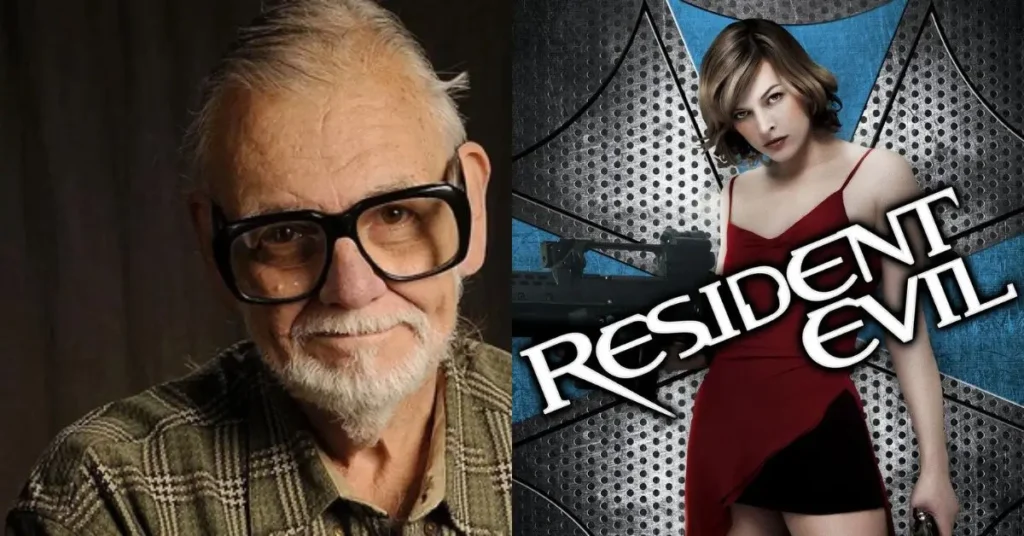
In the late 1990s, Capcom was searching for a director to bring its survival horror masterpiece to the big screen. Romero was a natural pick. After all, he invented the modern zombie genre. He was even hired to direct a live-action Resident Evil 2 commercial in Japan, which convinced fans he was the right choice. (source: polygon.com)
What Was George Romero’s Resident Evil Script About?
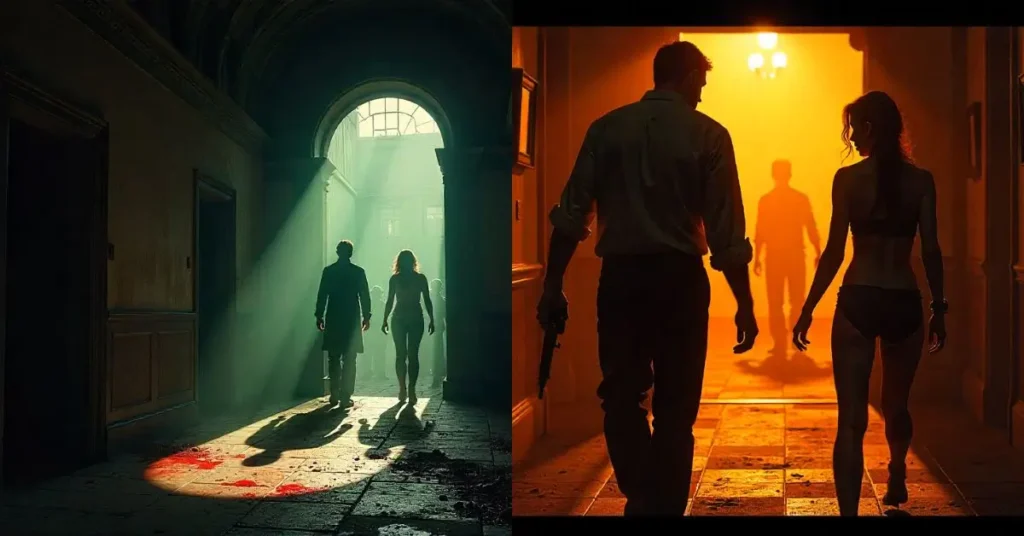
Romero’s script stayed faithful to the Resident Evil video game:
- Main characters: Chris Redfield and Jill Valentine as the central heroes.
- Setting: The Spencer Mansion, filled with zombies, hunters, and other terrifying creatures.
- Tone: Dark, violent, and atmospheric, echoing the claustrophobic feel of the game.
- Storyline: A direct adaptation of the first game’s narrative, with fewer Hollywood embellishments and more loyalty to Capcom’s survival horror roots.
According to reports (bloody-disgusting.com), the script leaned heavily into gore and the psychological dread Romero was known for.
Why Was George Romero’s Resident Evil Movie Never Made?
Capcom executives ultimately rejected Romero’s script. Their reasons included:
- Too faithful to the game: Executives feared it would limit the film’s mainstream appeal.
- Too violent and bleak: Hollywood studios wanted something more accessible for general audiences.
- Creative clashes: Romero’s vision clashed with Capcom’s broader ambitions for the franchise.
In the end, Paul W. S. Anderson was brought in, and his 2002 film became the version that reached theaters worldwide. (source: gamesradar.com)
George Romero vs. Paul W. S. Anderson: Two Different Visions
| Feature | Romero’s Script | Anderson’s Film |
|---|---|---|
| Characters | Game-accurate (Chris & Jill) | Original protagonist (Alice) |
| Tone | Faithful survival horror | Action-horror hybrid |
| Creatures | Direct from game (zombies, hunters, Tyrant) | New additions like Lickers, AI villain |
| Style | Claustrophobic and gothic | Flashy, Hollywood sci-fi style |
This split highlights how differently the Resident Evil franchise could’ve evolved in cinema.
How Faithful Was Romero’s Resident Evil Script to the Game?
By all accounts, Romero’s screenplay was one of the most faithful video game adaptations ever written. It included iconic moments from the original 1996 PlayStation game—right down to specific monsters and puzzle-like sequences. For purist fans, it was a dream adaptation. But to Hollywood producers, it seemed too “niche” for wide release.
Can You Read the George Romero Resident Evil Script Online?
Yes, the screenplay has circulated online for years. While it’s not officially released, drafts are accessible on fan sites and screenwriting archives. Many fans and researchers still study it to understand what Resident Evil could have been. (source: archive.org)
The Legacy of Romero’s Unmade Resident Evil Film
Romero’s script has achieved cult status. To horror fans and film students, it represents:
- A missed chance at a faithful adaptation.
- A case study in studio interference vs. creative vision.
- An example of how commercial demands shape adaptations.
It also feeds into the larger conversation about Romero’s unproduced projects, joining the ranks of other lost horror scripts and cancelled horror movies that live on in fan speculation.
EXPERT ANSWERS
Did Capcom reject George Romero’s Resident Evil script?
Yes. Capcom believed his script was too violent, too game-accurate, and not suitable for mainstream audiences. This decision paved the way for Anderson’s more action-focused version.
What was George Romero’s Resident Evil script about?
It closely followed the first game: Chris and Jill battling their way through the Spencer Mansion against zombies and bio-weapons.
Where can I read the George Romero Resident Evil script online?
Unofficial versions are archived online. Sites like archive.org and fan-hosted databases provide access to drafts.
Differences between Romero’s Resident Evil script and Anderson’s film?
Romero’s was faithful survival horror, Anderson’s was a sci-fi action-horror hybrid with new characters and plotlines.
Resident Evil movies that almost happened?
Aside from Romero’s, other unmade versions include early drafts by Alan B. McElroy and pitched adaptations that never left development.
FAQ’s
Q1: How faithful was Romero’s script compared to the game?
It was nearly a scene-for-scene adaptation, making it one of the most accurate video game screenplays ever drafted.
Q2: Was Romero disappointed about losing the project?
Reports suggest he was frustrated, but he moved on to other projects. Fans, however, have kept the debate alive.
Q3: Did Anderson’s film benefit the franchise commercially?
Yes. While controversial, Anderson’s film launched a billion-dollar franchise despite mixed reviews.
Author Bio:
Written by Daniel Reeves, a film culture writer and content strategist with a background in media studies. He specializes in SEO-driven storytelling for pop culture, gaming, and film history.
Sources & References