

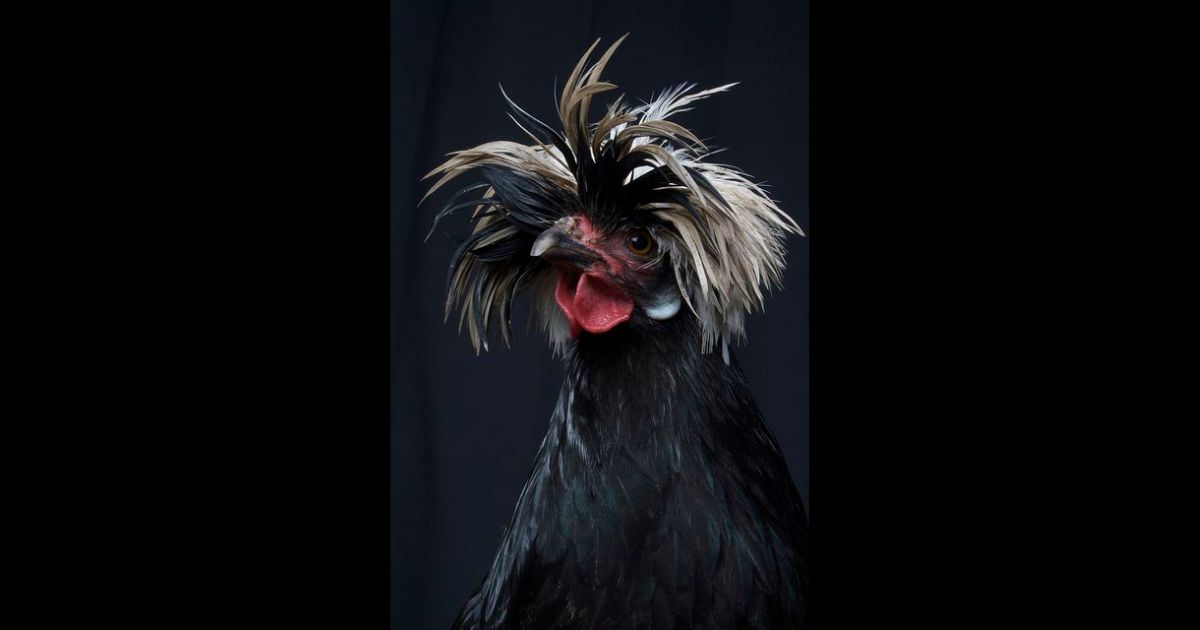
In the diverse world of poultry, where utility often overshadows aesthetics, the Padovana chicken stands out as a living work of art. With its striking crest, regal bearing, and centuries-old lineage, this rare Italian breed embodies both beauty and history. Though not commonly seen in commercial farms or even in backyard flocks outside of Europe, the Padovana chicken has captivated poultry enthusiasts, historians, and conservationists alike. Originating from the Veneto region of northeastern Italy—particularly around the historic city of Padua (Padova in Italian)—this bird is more than just a farm animal; it is a cultural treasure.
This article explores the Padovana chicken in depth, covering its origins, physical and behavioral traits, care requirements, egg-laying capabilities, and its current status in conservation efforts. Whether you’re a poultry hobbyist, a historian, or simply curious about rare chicken breeds, you’ll find valuable insights into why the Padovana chicken deserves attention and preservation.
Table of Contents
Historical Origins and Cultural Significance
The Padovana chicken boasts a lineage that stretches back several centuries, with some historians tracing its roots to the Middle Ages. While definitive documentation is scarce, the breed is widely believed to have developed in the Padua region of Italy, hence its name. Padua, a city renowned for its university (founded in 1222) and rich cultural heritage, has long been a center of agricultural and scientific innovation in Europe.
Interestingly, some theories suggest that the Padovana chicken may have descended from ancient crested fowl brought to Italy by traders or invaders from the East—possibly even from the Ottoman Empire or Central Asia. Crested chickens appear in European art as early as the 14th century, and the Padovana’s distinctive tuft was likely refined through selective breeding over generations.
The breed gained prominence during the Renaissance, a period when ornamental poultry became fashionable among nobility and scholars. Aldrovandi, a 16th-century naturalist and professor at the University of Bologna, described and illustrated crested chickens that closely resemble today’s Padovana chicken, lending historical credibility to its long-standing presence in Italy.
Despite its historical importance, the Padovana chicken never became a mainstream agricultural breed. Its ornamental qualities and relatively modest egg production meant it remained a specialty bird, cherished more for its appearance and temperament than for utility. Today, it is recognized as a heritage breed and is listed among Italy’s native poultry varieties worthy of conservation.
Physical Characteristics and Appearance
One cannot discuss the Padovana chicken without marveling at its unique and elegant appearance. The breed is instantly recognizable by its large, spherical crest of feathers that sits atop its head like a pom-pom. This crest is not merely decorative—it is a defining genetic trait that sets the Padovana apart from other crested breeds like the Polish or Houdan.
Size and Build
The Padovana chicken is a medium-sized bird. Roosters typically weigh between 2.0 to 2.5 kilograms (4.4–5.5 lbs), while hens are slightly smaller, averaging 1.7 to 2.0 kilograms (3.7–4.4 lbs). Despite their modest size, they carry themselves with an upright, proud posture that enhances their regal look.
Their body is compact and well-proportioned, with a broad back and a full breast. The tail is carried high, adding to their stately silhouette. Legs are slate-blue or leaden in color, clean (meaning unfeathered), and of medium length.
Feathering and Color Varieties
The Padovana chicken comes in a range of recognized color varieties, though standards may vary slightly between Italian and international poultry associations. Common colors include:
- Black – Deep, lustrous black with a green sheen
- White – Pure, snowy white without any off-color markings
- Cuckoo – Alternating gray and white barring
- Golden Duckwing – Rich golden hackles with dark body plumage
- Silver Duckwing – Silvery-white hackles contrasting with darker wings and back
The feathers are soft and abundant, contributing to the bird’s fluffy appearance—especially around the crest and neck. The crest itself is composed of loose, rounded feathers that completely obscure the bird’s eyes in many cases. While charming, this feature can pose practical challenges, as we’ll discuss later.
Comb and Facial Features
Unlike many chicken breeds that have a single, rose, or walnut comb, the Padovana chicken is naturally combless. Instead, the head is dominated entirely by the crest, which grows from a small protuberance on the skull. This lack of a comb is another distinguishing trait and is thought to be an adaptation to colder climates, reducing the risk of frostbite.
Their eyes are typically dark brown or reddish-brown, though they are often hidden beneath the crest. Beaks are short, strong, and horn-colored, blending seamlessly with the face.
And before you go, be sure to read through some of our other helpful posts!
Temperament and Behavior
Beyond its striking looks, the Padovana chicken is known for its calm and docile temperament. These birds are generally gentle, curious, and easy to handle—qualities that make them excellent candidates for backyard flocks, especially in households with children or other pets.
However, their large crest can affect their behavior in subtle ways. Because the crest often blocks their forward vision, Padovana chickens may appear slightly clumsy or hesitant in unfamiliar environments. They can be easily startled if approached from the front, as they may not see the movement coming. For this reason, it’s best to approach them from the side or speak softly to avoid causing stress.
Despite their visual limitations, Padovana chickens are intelligent and social birds. They integrate well into mixed flocks, though they may be lower in the pecking order due to their non-aggressive nature. They are not particularly flighty and tend to stay close to home, making them relatively easy to contain—even without tall fencing.
Roosters of this breed are notably less aggressive than those of many other heritage breeds. While they will still protect their hens, they rarely exhibit the territorial aggression seen in breeds like Rhode Island Reds or Gamefowl.
Egg Production and Broodiness
If you’re considering the Padovana chicken for egg production, it’s important to set realistic expectations. This breed is primarily ornamental, and its egg-laying capabilities reflect that.
Hens typically lay 100 to 120 eggs per year, which is modest compared to modern hybrid layers that can produce 250–300 eggs annually. The eggs are small to medium in size, with a creamy white or lightly tinted shell. Egg production tends to be seasonal, with a natural decline during colder months.
On the positive side, Padovana hens are known to be broody—meaning they have a strong instinct to sit on and hatch eggs. This trait, while undesirable in commercial egg operations, is highly valued by small-scale breeders and conservationists who wish to raise chicks naturally. A broody Padovana hen will diligently care for her clutch and make an attentive mother.
Because of their broodiness and gentle nature, Padovana chickens can also be used to hatch eggs from other breeds, acting as natural incubators in heritage poultry projects.
Care and Management Requirements
Raising Padovana chickens requires some special considerations due to their unique physical traits. While they are hardy birds overall, their crest demands extra attention.
Housing and Space
Like all chickens, Padovana chickens need a clean, dry, and well-ventilated coop. Each bird should have at least 3–4 square feet of indoor space and 8–10 square feet in an outdoor run. Because they are not strong fliers and tend to stay grounded, low fencing is usually sufficient.
However, because their vision is impaired by the crest, it’s important to keep their environment free of sharp objects, sudden drops, or obstacles that could cause injury. Smooth, open spaces with gentle slopes are ideal.
Crest Care
The most critical aspect of Padovana chicken care is managing the crest. In wet or muddy conditions, the crest can become soiled, matted, or even develop fungal infections. During rainy seasons, it’s advisable to provide covered outdoor areas or bring birds inside temporarily.
Some owners gently trim the feathers around the eyes to improve visibility, though this should be done carefully and sparingly to avoid stress or injury. Never cut into the crest’s base, as it contains sensitive tissue.
Diet and Nutrition
Padovana chickens thrive on a standard poultry diet of layer pellets or crumbles, supplemented with fresh greens, insects, and grit for digestion. Because they are not high-producing layers, they don’t require excessive protein, but a balanced diet is essential for maintaining feather quality—especially the lush crest.
Fresh, clean water must always be available. Use elevated waterers to prevent the crest from dipping into the water and becoming waterlogged.
Health Considerations
Overall, the Padovana chicken is a robust and healthy breed with few genetic issues. However, the large crest can predispose them to certain problems:
- Eye infections: Dirt or moisture trapped in the crest can irritate the eyes.
- Frostbite: Though they lack a comb (which is prone to frostbite), the crest’s blood supply can still be vulnerable in extreme cold.
- Predation risk: Their limited vision makes them less aware of aerial or ground predators.
Regular health checks, clean bedding, and predator-proof housing go a long way in keeping these birds healthy.
Conservation Status and Breeding Efforts
Unfortunately, the Padovana chicken is considered a rare breed, both in Italy and globally. Industrial agriculture’s focus on high-output hybrids has pushed many heritage breeds like the Padovana to the margins. In Italy, the breed is protected under national conservation programs, and organizations such as the Federazione Italiana Associazioni Avicole (FIAV) work to maintain pure bloodlines and promote awareness.
Internationally, the breed is recognized by the American Poultry Association (APA) and the Poultry Club of Great Britain, though it remains uncommon outside of Europe. Dedicated breeders in the U.S., Canada, and parts of Asia are working to preserve the Padovana chicken, often through small-scale, ethical breeding programs.
Conservation of the Padovana chicken is important not just for biodiversity but also for cultural heritage. Each bird carries centuries of selective breeding, regional adaptation, and historical continuity. Losing such a breed would mean losing a piece of agricultural and artistic history.
For those interested in supporting conservation, purchasing birds from reputable heritage breeders, joining poultry associations, or even participating in local exhibitions can help sustain interest and genetic diversity.
Why Choose a Padovana Chicken?
While the Padovana chicken may not be the best choice for someone seeking maximum egg production or meat yield, it offers unique rewards for the right keeper. Here are several reasons why this breed might be perfect for you:
- Ornamental beauty: Few chickens rival the Padovana’s elegance and charm.
- Gentle temperament: Ideal for families, schools, or therapy settings.
- Historical connection: Owning a Padovana links you to centuries of Italian rural life and Renaissance aesthetics.
- Natural broodiness: Great for those wanting to raise chicks without artificial incubators.
- Low noise levels: Hens are quiet layers, and roosters crow less aggressively than many breeds.
Moreover, raising a rare breed like the Padovana chicken contributes to global efforts to preserve genetic diversity in poultry—a crucial buffer against disease outbreaks and environmental changes that threaten monoculture farming.
Conclusion
The Padovana chicken is far more than a quirky-looking bird with a fluffy head. It is a symbol of Italy’s rich agricultural past, a testament to the artistry of selective breeding, and a gentle companion for those who appreciate poultry beyond mere utility. Though rare and sometimes challenging to care for due to its distinctive crest, the Padovana chicken offers unmatched beauty, a calm disposition, and a living link to history.
As modern farming continues to prioritize efficiency over diversity, heritage breeds like the Padovana chicken remind us of the value of preserving biological and cultural variety. Whether you’re a seasoned poultry keeper or a newcomer enchanted by its pom-pom crown, the Padovana chicken invites you to slow down, appreciate tradition, and participate in the vital work of conservation. In doing so, you help ensure that this elegant Italian treasure continues to grace barnyards and gardens for generations to come.
With only a few thousand individuals estimated to exist worldwide, every Padovana chicken matters. By learning about, supporting, and perhaps even raising this remarkable breed, you become part of a global community dedicated to honoring the past while safeguarding the future of poultry diversity.
Did you find this article helpful? Check out the rest of our site for more great content!