Home improvement projects bring new life to a home, but they also come with rules meant to protect homeowners and responsible contractors. If you plan to work on homes in Long Island’s Nassau County, New York, you need to understand the nassau county home improvement license: who must hold it, what proof and experience are required, how to apply, and what rights consumers have. This article walks through the full process in simple language, explains the common pitfalls, and includes practical tips for both contractors and homeowners. The goal is to help you make smart, safe choices without drowning in legalese.
Table of Contents
Why Nassau County requires a home improvement license
Nassau County requires a home improvement license to protect residents from fraud, poor workmanship, and unsafe building practices. Licensing helps the county screen applicants for a minimum level of experience, lets consumers verify who they hire, and creates an enforcement route if problems arise. Licensing also standardizes expectations: contractors must display license numbers, follow local rules, and keep certain certifications up to date. This regulatory framework is part of consumer protection efforts across New York State, where several counties require home-improvement licensing to ensure worker competence and homeowner safety.
Who needs a Nassau County home improvement license?
If you perform repairs, alterations, installations, or maintenance on residences in Nassau County for pay, you typically need a county home improvement contractor license. This applies to a wide range of trades, including general contractors, roofing, masonry, carpentry, drywall, and many specialty services such as pool servicing. Even companies based outside the county must obtain the county license to do business there. In short, if you are doing paid work on homes in Nassau County, check the county rules to see whether your trade requires licensing.
Common license categories you’ll encounter
Contractor licensing in Nassau covers many trades. Typical categories include general home improvement contractors, specialty contractors (for example, roofing or masonry), and service/repair contractors such as those who service pools and HVAC systems. Specific subprograms, like pool service, may have additional certification or experience requirements. If you are unsure of your category, the county’s consumer affairs office can clarify which license fits your business.
Basic eligibility and experience requirements
One of the most important eligibility rules is experience. Nassau County often requires applicants to show a minimum number of years of hands-on, supervisory experience in their trade—commonly five years or an equivalent documented education or certification in certain specialties. For some niches, such as pool service, specific industry certifications (for example PHTA/PHTA-related certificates) can substitute for part of the experience requirement or be required at renewal. Evidence of experience is submitted with the application and evaluated by the county.
Documents and proof you’ll need to apply
You will usually submit several documents when applying for a Nassau County home improvement license. These commonly include a completed application form, proof of identity, proof of business or home address, documentation of experience (such as references, payrolls, or letters from prior employers), and any trade-specific certifications. Some applications must be notarized. For certain work, proof of insurance or workers’ compensation may also be necessary. Exact requirements vary by license type, so carefully follow the county’s checklist for your trade.
Fees, renewals, and continuing requirements
Licensing fees and renewal intervals differ depending on the license category. Many Nassau County home improvement licenses require renewal every two years, and renewal can require showing updated proof of continuing education, industry certification, or ongoing experience. For example, renewal rules for service contractors, including pool service, often require updated certifications such as PHTA credentials in addition to the renewal fee. In recent years, discussions about local business licensing fees have been active, and proposed changes to fee schedules may affect future costs—so check current county notices before budgeting.
Step-by-step: applying for a Nassau County home improvement license
Begin by identifying the exact license type you need. Next, gather the required documents: a completed application, proof of identity, proof of address, documentation of trade experience, and any trade-specific certifications. Have your paperwork notarized if required, and prepare payment for the application or renewal fee. Submit your application to the Nassau County Office of Consumer Affairs (or the office specified on the county website). If your trade requires specialized training, enroll in the required certification course before submission. The county will review your package and notify you if anything is missing or if further clarification is needed. Keep copies of everything you submit.
Table: Typical license elements at a glance
The table below summarizes typical items you will encounter when applying for a Nassau County home improvement license. Note that the specifics can vary by trade and change over time; treat this as an overview and verify current details with the county.
| Element | Typical requirement or note |
|---|---|
| Required experience | Often 5 years in the trade or equivalent certification for some specialties. |
| Proof of experience | References, payroll, signed affidavits, or certification records. |
| Industry certifications | May be required for specialized trades (e.g., pool service PHTA certifications). |
| Application fee | Varies by license type; check current county fee schedule. |
| Renewal period | Commonly every two years; renewal may require updated certifications. |
| Insurance/bond | May be required depending on the trade and county conditions. |
| Out-of-county firms | Must obtain a Nassau County license to perform work in the county. |
(Verify each item with the county’s official instructions before applying.)
Tips for contractors: preparing a strong application
Start early to collect verifiable evidence of your experience. Letters from former employers, project invoices, and tax or payroll records are strong proof. If your trade has a recognized industry certification, earn it before applying, because these credentials may make a faster approval or satisfy renewal rules. Keep all business paperwork organized—insurance certificates, business registration, and a clear record of employees or subcontractors—so you can respond quickly if the county asks for more information. Also, since different trades may have different local rules, call the Nassau County Consumer Affairs office for any trade-specific questions to avoid surprises.
Advice for homeowners hiring contractors in Nassau County
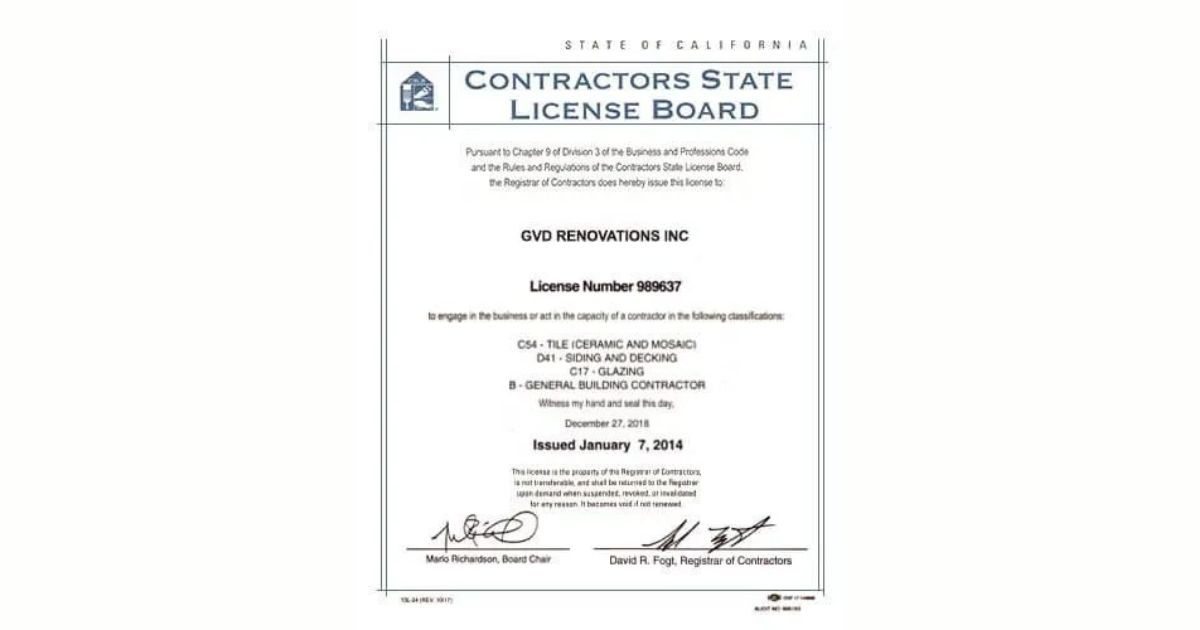
As a homeowner, always ask to see the contractor’s county license before any work begins. Confirm the license number with the county consumer affairs office or the state consumer pages. Ask for proof of insurance and request a written contract that spells out the scope of work, timeline, payment schedule, and warranty terms. Keep copies of all correspondence and receipts. If a contractor refuses to show a license or insurance, treat this as a red flag and consider finding another licensed professional. The licensing system exists to protect you; use it.
What happens if rules change or fees are updated?
Local ordinances and fee schedules can change. Recently, there has been public discussion in Nassau County about adjusting certain local licensing fees to reduce the burden on small businesses. These proposals may affect future application and renewal costs. Contractors and homeowners should monitor county announcements or contact the Nassau County Office of Consumer Affairs for the latest information before applying or budgeting for projects. Staying informed will help you avoid unexpected charges or compliance problems.
Common mistakes to avoid
A frequent mistake is assuming that a license from another county or the state fully covers work in Nassau County. Even out-of-county businesses must obtain the appropriate Nassau County license to operate there. Another common error is incomplete documentation: missing notarizations, insufficient proof of experience, or failure to maintain required certifications can delay or deny licensing. Finally, ignoring renewal deadlines or certification maintenance can cause a license to lapse—plan renewals well ahead of time.
How enforcement and complaints work
If a homeowner believes a contractor violated county rules, delivered poor workmanship, or engaged in deceptive practices, the Nassau County Office of Consumer Affairs is the first contact point. The county investigates complaints about licensed businesses and can take actions ranging from fines to license suspension. For problems involving potential criminal activity or large financial harm, contacting state consumer protection authorities or the Attorney General’s office may also be appropriate. Keep thorough records to support any complaint, such as contracts, photographs, invoices, and written communication.
Frequently Asked Questions
What is a Nassau County home improvement license and who needs one?
A Nassau County home improvement license is a county-issued authorization that allows a contractor to perform paid home improvement work within Nassau County. Most individuals or companies that perform repairs, maintenance, installations, or alterations on residential properties in the county must hold this license. Contractors based outside the county also need the license to work in Nassau.
How much experience is required to apply?
Many license categories require proof of significant hands-on experience—often five years—or equivalent industry-recognized certifications for certain specialties. The county evaluates documentation submitted with the application.
Do I need to pass an exam to get licensed?
Nassau County historically has not required a written exam for the typical home improvement contractor license in every trade, but requirements can vary by specialty and change over time. Confirm current rules for your trade with the county.
How often must I renew the license?
Many Nassau County licenses renew every two years, and renewal may require updated proof of certifications and payment of a renewal fee. Check the county’s renewal instructions for exact timelines.
Where can homeowners verify a contractor’s license?
Homeowners can verify license status by contacting the Nassau County Office of Consumer Affairs or using county resources that list licensed contractors. If a contractor won’t provide proof of licensing or insurance, consider that a warning sign.
Licensing may seem like a paperwork hurdle, but it protects both homeowners and conscientious professionals. Whether you are a contractor preparing an application or a homeowner hiring help, understanding the nassau county home improvement license process makes projects smoother, safer, and more reliable. For the most accurate and up-to-date instructions and forms, contact the Nassau County Office of Consumer Affairs directly or visit the county’s official licensing pages before you apply.