
Marching band uniforms are more than just clothing; they are a symbol of unity, pride, and identity for every ensemble. When a band steps onto the field or stage, the uniform tells a story about the group’s tradition, discipline, and visual theme. Good uniforms increase player confidence, make drill formations read cleanly from a distance, and protect performers during long rehearsals and performances. In this article we will explore design elements, materials, fit, maintenance, budgeting, and selection tips so directors, students, and parents can make informed decisions about marching band uniforms that look great and last.
Table of Contents
The purpose and psychology behind marching band uniforms
A marching band’s visual impact begins with its uniform. Uniforms create a cohesive look that turns dozens or hundreds of individual musicians into one moving image. Color choices, trim, and silhouettes amplify formations, helping judges and audiences see shapes and patterns more clearly. Beyond visual function, uniforms have a psychological effect: wearing a uniform fosters belonging, encourages professionalism, and signals preparedness. For students, the ritual of putting on the uniform helps them transition into performance mode; for alumni and communities, the uniform connects present-day members with history and tradition.
Historical notes on style and symbolism
The evolution of marching band uniforms traces influences from military dress, collegiate fashion, and theatrical costume design. Classic elements like shakos, epaulettes, and sashes began as practical military wear and later became stylized to suit modern visual ensembles. Today’s marching band uniforms incorporate contemporary fabrics and tailoring while retaining symbolic features such as school colors and emblems, which reinforce identity and continuity.
Key components of modern marching band uniforms
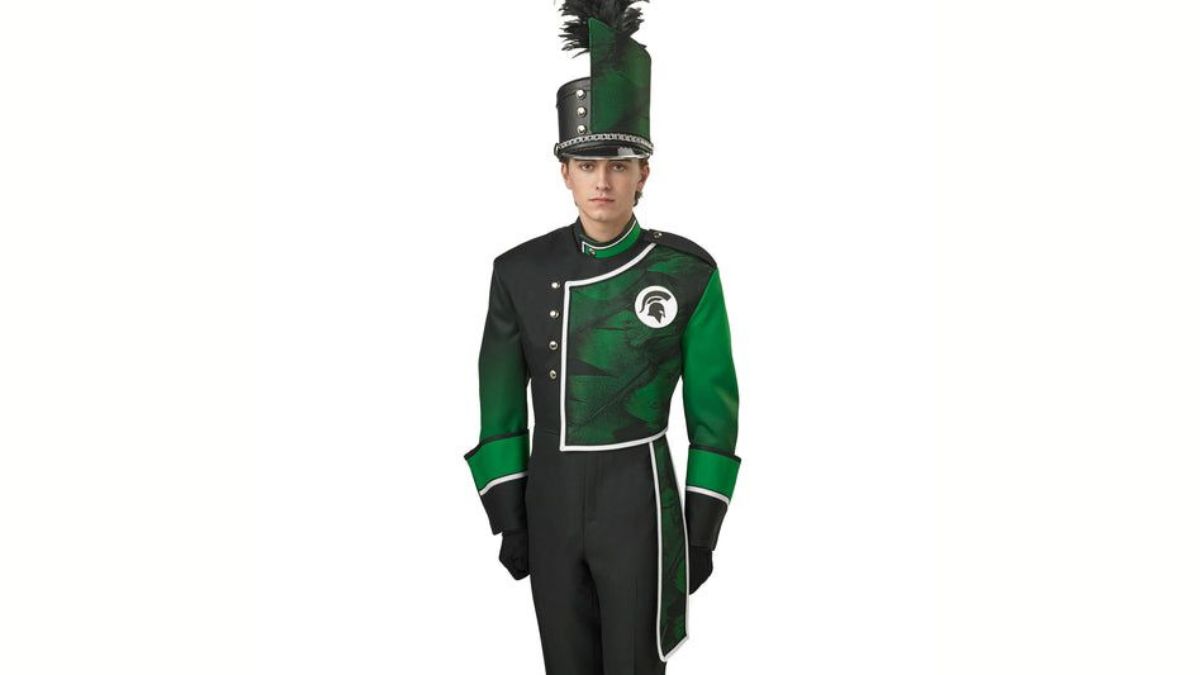
A full uniform typically includes a jacket or coat, trousers, headgear, gauntlets or gloves, and, in many programs, a cape or sash. The jacket is usually the most visible piece and defines the silhouette with lines, color blocks, or diagonal trim that emphasize movement. Trousers or bibbers provide a clean lower-line that completes the visual image. Headgear, including shakos, caps, or helmets, serves as a vertical accent that balances the overall shape. Accessories like gloves and gauntlets add polish and protect hands during cold weather, while shoe choices complete the look and influence marching comfort and traction.
Materials and construction choices
Choosing the right fabrics and construction methods is essential for comfort, durability, and appearance. Common materials include polyester blends, melton wool, and performance fabrics with moisture-wicking finishes. Polyester blends often offer a balance of crisp appearance and low maintenance, while melton wool provides a traditional look and good drape but can be heavier. Modern performance fabrics can be lightweight, breathable, and treated to resist wrinkles and stains. Reinforced stitching at stress points, breathable lining in the jacket, and stretch panels in trousers are construction features that enhance usability during rigorous marching.
How to choose the right marching band uniforms for your program
Selecting the best marching band uniforms requires balancing aesthetics, budget, functionality, and longevity. Start by defining your program’s values: do you prioritize tradition, modern flair, or theatrical flexibility? Consider the competitive context — some circuits reward traditional, sharp silhouettes while show bands may favor bold graphics. Next, evaluate climate and rehearsal schedules: a band in a hot region needs breathable fabrics and lighter layers, while colder climates require insulated options or removable liners. Engage students and stakeholders when possible to ensure buy-in and to align the design with community expectations.
- Begin by gathering inspiration images and documenting must-have visual elements such as color palettes, trim styles, and logos.
- Request sample garments from reputable vendors to assess fabric weight, finish, and stitching.
- Create a size and fit plan that accounts for the range of body types in the group and includes measurements for alterations.
- Factor in storage, transportation, and maintenance logistics when calculating total cost of ownership.
Cost and budgeting considerations
Budgeting for marching band uniforms goes beyond the initial purchase price. Directors should plan for fittings, alterations, shipping, storage, and periodic repairs. A typical high school budget might include initial uniform acquisition, a reserve for maintenance, and a replacement schedule that staggers purchases to avoid wholesale replacement expenses. When comparing vendors, look at warranties, included accessories, and whether the quote covers alterations. Value often comes from higher-quality fabrics and construction that resist fading and tearing, so a slightly higher upfront cost can reduce lifetime expense.
Funding and fundraising strategies
Paying for uniforms can be a community effort. Many programs fund purchases through boosters, alumni donations, sponsorships, grant applications, and targeted fundraising campaigns. Creative options include phased rollouts where subsets of the band receive new uniforms over several seasons, rental programs for groups with high turnover, or partnership discounts with vendors. Clear communication with parents about costs and payment plans can ease financial strain and broaden participation.
Fit, sizing, and tailoring: why it matters
A well-fitted uniform looks effortless and moves with the wearer, while poor fit undermines the visual effect and can restrict performance. Accurate measurements for chest, waist, inseam, arm length, and shoulder width reduce the need for major alterations. Tailoring plays a key role; reputable uniform manufacturers often include basic alterations in their service or provide patterns that local tailors can follow. Special attention should be paid to the fit of the jacket across the shoulders and the length of trousers so that movement is not restricted and lines remain clean during complex drill work.
Adjustments for inclusivity and comfort
Inclusive sizing and adaptable designs help ensure all students can participate comfortably. Consider incorporating adjustable waistbands, stretch panels, or modular pieces like removable liners and adjustable straps. For students with mobility needs, discuss custom adaptations with the vendor early in the design phase to maintain aesthetics while ensuring accessibility.
Care and maintenance for longevity
Proper care extends the life of marching band uniforms and keeps the group looking sharp. Cleaning instructions depend on the fabric; many polyester-based pieces are machine washable on gentle cycles, while wool blends may require dry cleaning. Store uniforms on broad, padded hangers to maintain shape, and use breathable garment bags for long-term storage to prevent dust buildup. Quick repair kits for on-field emergencies — including matching thread, fabric glue, and spare buttons — are indispensable. Regular inspections after each performance help catch small issues before they become costly repairs.
Table: Maintenance guide by fabric type
| Fabric Type | Typical Care | Lifespan Expectation |
|---|---|---|
| Polyester blend | Gentle machine wash or spot clean; low heat drying | 5–8 years with regular care |
| Melton wool | Dry clean only; air out between uses | 7–12 years with proper storage |
| Performance synthetic | Machine wash; moisture-wicking maintains feel | 4–7 years depending on use |
| Mixed with leather trim | Spot-clean trims; professional cleaning recommended | 6–10 years if trims maintained |
Visual design principles that enhance performance
Effective visual designs lean on contrast, line direction, and balance. Contrasting colors help formations read at a distance, especially when combined with diagonal lines or asymmetrical elements that make motion clearer. Vertical lines can elongate and unify, while horizontal accents can emphasize width or rank. Headgear should align with the jacket’s lines to maintain a coherent silhouette. When incorporating logos or text into marching band uniforms, ensure they maintain legibility from the field without cluttering the overall design.
Coordinating with props and color guard
If your band uses flags, rifles, or other props, coordinate color and motion to create a unified visual vocabulary. A flag with a large block of complementary color can enhance a uniform’s palette; conversely, overly busy flag graphics can compete with clothing design. Collaboration between drill designers, color guard captains, and uniform designers fosters a cohesive show concept where costumes, props, and formations support each other.
Sustainability and ethical considerations
As with other apparel, sustainability is an emerging concern for uniform programs. Seek vendors who offer recycled materials, eco-friendly dye processes, or take-back programs for damaged uniforms. Ethical production practices — such as fair labor standards and transparent supply chains — can be a deciding factor for programs that prioritize social responsibility. While sustainable options sometimes cost more, programs can offset costs through grants, partnerships, or phased implementation strategies.
Vendor selection and sample ordering
Choosing a reputable manufacturer reduces risk. Evaluate vendors based on experience with marching band uniforms, testimonials, sample quality, and post-sale support. Insist on seeing physical samples, not just photos, and ask for references from other schools or bands. Clarify lead times, production minimums, and what services are included, such as fittings, alterations, and warranty coverage. A well-documented contract that specifies delivery dates and acceptance criteria can prevent misunderstandings.
Conclusion: balancing beauty, function, and value
Marching band uniforms are an investment in your program’s image, morale, and performance quality. Choosing the right uniform means balancing design intent, material performance, fitting accuracy, maintenance capacity, and budget realities. By prioritizing fit, selecting durable fabrics, planning for care and funding, and working closely with reputable vendors, bands can achieve a look that endures both on and off the field. Thoughtful uniforms not only enhance visual impact but also strengthen community identity, inspire performers, and create memorable experiences for audiences.
Final notes and next steps
If you are a director or booster planning a new uniform program, begin by assembling a small committee to collect visual references, set a realistic budget, and request samples from at least three vendors. Schedule fittings well ahead of the performance season and plan a phased rollout if your budget requires gradual implementation. With careful planning and attention to detail, your marching band uniforms will become a proud emblem of your ensemble’s spirit and excellence.
Frequently Asked Questions about marching band uniforms
What is the typical lifespan of marching band uniforms?
The lifespan varies with fabric and care; polyester blends commonly last five to eight years, while higher-quality wool blends can serve seven to twelve years if maintained well.
How often should a band replace uniforms?
Many programs plan partial replacements every three to five years and full replacement every seven to twelve years, balancing wear, growth of membership, and visual refresh.
How should measurements be taken?
Measurements should be taken by trained personnel using a consistent method: chest, waist, hips, inseam, arm length, and shoulder width are essential.
Can uniforms be altered locally?
Yes, many programs use local tailors for minor adjustments; for major modifications consult the manufacturer to preserve fit and warranty.
Are sustainable uniform options available?
Increasingly so; ask vendors about recycled fabrics, low-impact dyes, and take-back programs. How do we care for embroidered or delicate trims? Follow vendor care instructions closely; many trims require spot cleaning or professional cleaning to prevent damage.