

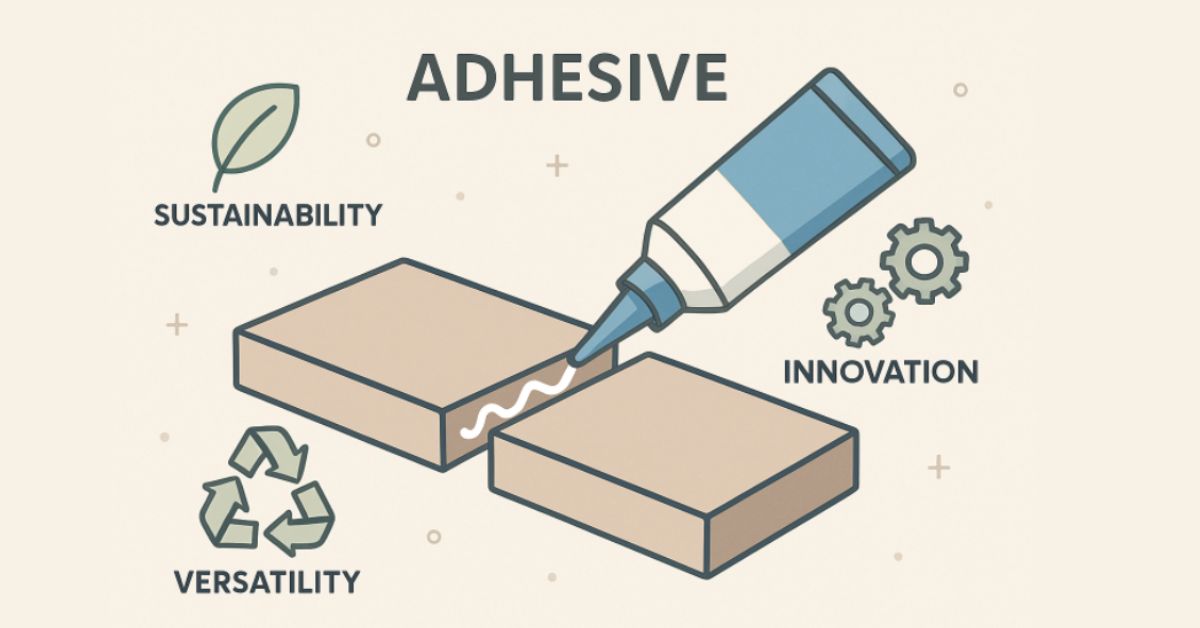
In today’s fast-moving manufacturing landscape, the demand for materials and processes that improve efficiency, durability, and precision is higher than ever. Modern production lines often require bonding solutions that can withstand various conditions, including high stress, temperature fluctuations, and exposure to chemicals or moisture. Selecting the proper adhesive method is essential for maintaining structural integrity, product longevity, and consistency across different applications. Manufacturers are increasingly exploring options that strike a balance between performance and versatility, enabling them to streamline assembly processes while maintaining high-quality standards.
Among the many options available, solvent based glue continues to play a significant role in specific industrial settings due to its strong bonding properties and versatility across materials. By understanding the specific requirements of each application, manufacturers can select adhesives that meet mechanical and chemical demands, contributing to overall operational efficiency. As technology evolves, these solutions continue to be a key component in the pursuit of more resilient and reliable products.
Debonding on Demand: A Sustainable Approach
A major breakthrough in sustainable manufacturing is the development of “Debonding on Demand” systems. These adhesives incorporate reversible covalent bonds, enabling materials to disassemble upon the application of heat or another trigger. This controlled debonding significantly enhances the recyclability of products by facilitating the separation of bonded structures at the end of their lifecycle. Not only does this help manufacturers meet increasingly stringent regulatory standards, but it also advances the principles of the circular economy by reducing waste and promoting the reuse of materials.
Such innovations are poised to become standard across industries such as automotive and electronics, which are under pressure to reduce environmental footprints. These adhesive systems can also simplify repairs, extend the usable life of products, and lower costs associated with replacement and disposal.
Advancements in Medical Device Assembly
Modern medical device technology requires adhesive solutions that are flexible, biocompatible, and have a fast-curing property. Next-generation LED-curable adhesives offer both speed and safety, addressing the challenges of device miniaturization, the reliable bonding of complex assemblies, and adherence to stringent regulatory requirements for biocompatibility and performance.
These adhesives are particularly valued for their rapid cure times and ability to bond a wide range of plastics and metals, thereby improving assembly throughput while maintaining quality. By enabling designers to meet evolving needs in patient care and healthcare applications, such adhesives play a key role in advancing medical device innovation.
Adhesives for Stretchable Fabrics
The rise of soft robotics, wearable electronics, and smart textiles has prompted researchers to develop adhesives with unprecedented flexibility and stretch. Inspired by biological structures like tendons and spider silk, dual-network adhesives combine high strength with elasticity, allowing for secure yet flexible bonds ideal for stretchable fabrics. A key innovation is the elimination of solvents in the formulation, making these systems kinder to both workers and the environment.
Such adhesives enable the creation of highly resilient products used in healthcare, sports, and consumer tech, where comfort, movement, and reliability are crucial. Solvent-free adhesives are increasingly recognized for their role in reducing volatile organic compound (VOC) emissions and contributing to workplace safety.
Innovative Adhesives in Laser Production
Precision is paramount in laser device manufacturing, where even the slightest alignment errors can result in product defects. High-performance epoxy adhesives designed for laser component assembly offer high thermal stability and minimal shrinkage under intense laser exposure. These properties are crucial for maintaining active alignment during assembly, which improves yield rates and reduces costly cycle times.
Laser-stable adhesives enable the production of increasingly powerful and compact lasers for applications ranging from telecommunications to industrial robotics.
Sustainable Polymer Adhesives
A shift toward sustainability is also evident in the growing use of polymer-based adhesives, which support recycling and efficient processing. Innovative startups are leveraging polyoxymethylene to formulate adhesives that perform well while facilitating material recovery, particularly in monomaterial packaging. These advances simplify the complexity of recycling operations, enabling manufacturers to meet regulatory and consumer demands for sustainable packaging solutions.
Higher performance and improved recyclability also mean adhesive use is no longer a barrier to efficient, environmentally responsible product design—a transformative step for both industry and the planet.
Conclusion
Rapid advancements in adhesive technology are transforming the modern manufacturing landscape. From enabling repairable and recyclable assemblies with “debonding on demand” materials, to supporting the stringent requirements of medical and laser device production, today’s adhesives deliver more than just sticking power. They promise smarter, safer, and more sustainable manufacturing for a new era. For manufacturers aiming to stay ahead, investing in innovative adhesive solutions is essential not just for operational success but for building a better future.