

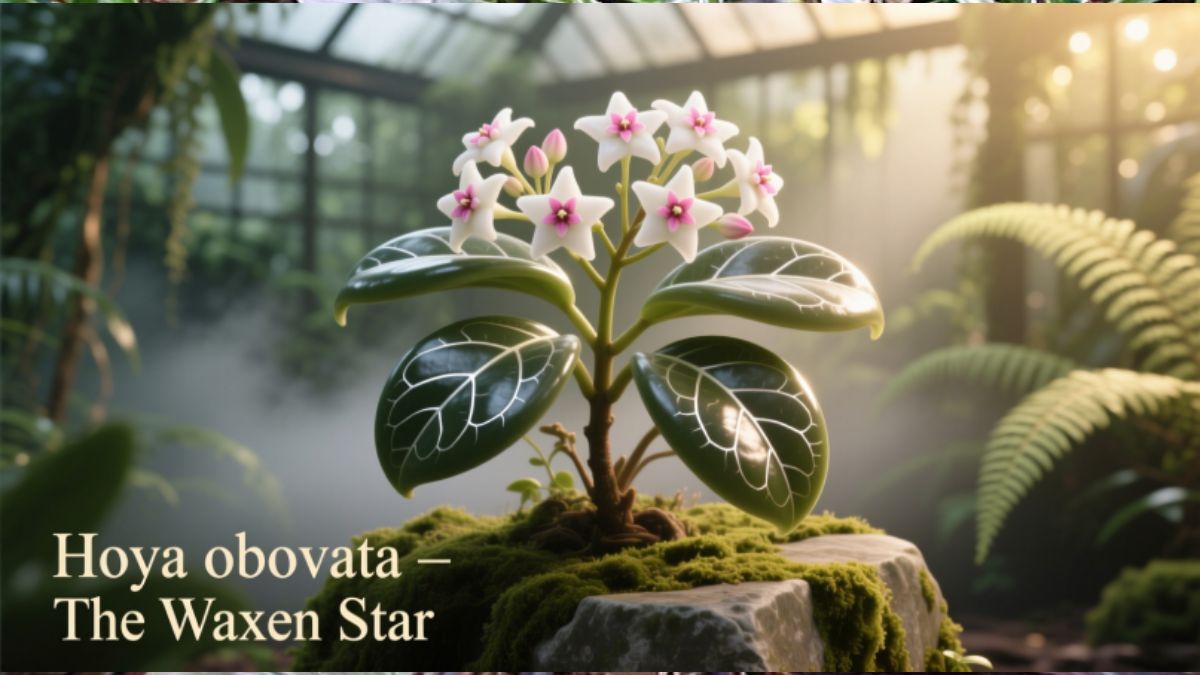
If you’ve scrolled through plant-focused social media lately, you’ve likely seen the lush, waxy leaves and star-shaped blooms of Hoya obovata. This eye-catching houseplant has surged in popularity for good reason: it’s relatively easy to care for, visually stunning, and rewards patient growers with fragrant, porcelain-like flowers. Whether you’re a seasoned plant parent or just starting your indoor jungle, mastering Hoya obovata care can bring both beauty and satisfaction to your home.
In this comprehensive guide, we’ll walk you through everything you need to know to keep your Hoya obovata healthy, happy, and blooming. You’ll learn about ideal lighting, watering habits, soil preferences, propagation techniques, and common pitfalls to avoid. Plus, we’ve included a detailed comparison chart to help you distinguish Hoya obovata from similar-looking Hoyas.
Table of Contents
What Is Hoya Obovata?
Hoya obovata belongs to the Apocynaceae family and hails from Southeast Asia, particularly regions of India, Thailand, and Indonesia. Like other Hoyas, it’s an epiphytic vine—meaning it naturally grows on trees in tropical forests, using its aerial roots to anchor itself without drawing nutrients from its host.
The plant features thick, succulent-like leaves that are oval to slightly heart-shaped with a distinctive silvery or creamy variegation along the veins. These leaves grow on trailing or climbing stems, making Hoya obovata perfect for hanging baskets or trellises. When mature and content, it produces clusters of star-shaped, pink-and-white flowers with a sweet, honey-like fragrance—often strongest in the evening.
Unlike some finicky tropicals, Hoya obovata adapts well to indoor environments, provided you mimic its native conditions: bright, indirect light, moderate humidity, and infrequent but thorough watering.
Light Requirements: Bright, But Not Blazing
Hoya obovata thrives in bright, indirect light. Place it near an east- or west-facing window where it receives several hours of gentle sunlight each day. A south-facing window works too, but use a sheer curtain to diffuse the intense midday rays, which can scorch the leaves.
Avoid low-light corners. Insufficient light leads to leggy growth, smaller leaves, and—most disappointingly—no flowers. Remember: Hoyas bloom only when they receive enough light and have matured sufficiently (usually after 2–3 years).
If natural light is limited, supplement with a full-spectrum grow light for 10–12 hours daily. Many growers report excellent results using LED grow lights placed 12–18 inches above the plant.
Watering: Less Is More
One of the most common mistakes with Hoya obovata is overwatering. These plants store water in their thick leaves, making them drought-tolerant and highly susceptible to root rot if kept too wet.
Water only when the top 1–2 inches of soil feel completely dry. In spring and summer (the active growing season), this might mean watering every 7–10 days, depending on your home’s temperature and humidity. In fall and winter, reduce frequency—sometimes to once every 2–3 weeks.
Always use a pot with drainage holes, and never let the plant sit in standing water. When you do water, soak the soil thoroughly until water runs out the bottom, then empty the saucer. This “soak-and-dry” method mimics tropical rain patterns and encourages deep root growth.
Pro tip: If leaves start to wrinkle or feel soft, it’s a sign your plant is thirsty—not overwatered. Healthy Hoya obovata leaves should feel firm and plump.
Soil and Potting: Drainage Is Non-Negotiable
Hoya obovata demands a fast-draining, airy potting mix. Standard potting soil retains too much moisture and compacts over time, suffocating the roots.
Create your own mix using:
- 1 part orchid bark
- 1 part perlite or pumice
- 1 part coco coir or high-quality potting soil
This blend ensures excellent aeration and drainage while holding just enough moisture. Some growers also add a small amount of charcoal to prevent fungal issues.
Repot only when necessary—typically every 2–3 years or when roots start circling the pot or emerging from drainage holes. Hoyas actually prefer to be slightly root-bound, which can encourage blooming. Choose a pot only 1–2 inches larger in diameter than the current one.
Humidity and Temperature: Tropical Comfort
Native to humid rainforests, Hoya obovata appreciates humidity levels between 50% and 70%. However, it adapts well to average household humidity (30–40%) as long as you avoid placing it near heating vents or drafty windows.
If your home is dry—especially in winter—boost humidity by:
- Using a small humidifier nearby
- Placing the pot on a pebble tray filled with water (ensure the pot sits above the water line)
- Grouping it with other plants to create a microclimate
Ideal temperatures range from 65°F to 85°F (18°C–29°C). Avoid exposing your plant to temperatures below 50°F (10°C), as cold stress can cause leaf drop or stunted growth.
Fertilizing: Feed Lightly and Strategically
Hoya obovata doesn’t need heavy feeding. During the growing season (spring through early fall), apply a balanced, water-soluble fertilizer diluted to half strength every 4–6 weeks. A formula like 2-2-2 or 5-5-5 works well.
Avoid high-nitrogen fertilizers, which promote leafy growth at the expense of flowers. If you want to encourage blooming, switch to a phosphorus-rich fertilizer (like 5-10-5) in late spring.
Never fertilize in winter when the plant is dormant. Excess salts from unused fertilizer can build up in the soil and damage roots.
Pruning and Training: Shape with Purpose
Prune Hoya obovata sparingly. Only remove dead, damaged, or diseased leaves. Avoid cutting off peduncles (the flower spurs)—these are perennial and produce blooms year after year from the same spot.
If your vine becomes too leggy, you can trim back stems to encourage bushier growth. Use clean, sharp scissors and make cuts just above a leaf node.
To train your plant upward, provide a moss pole, trellis, or bamboo stake. The aerial roots will cling naturally, creating a dramatic vertical display.
Propagation: Easy and Rewarding
Hoya obovata propagates readily from stem cuttings. Here’s how:
- Choose a healthy stem with at least 2–3 leaves and one node (the bump where leaves and roots emerge).
- Make a clean cut just below the node using sterilized scissors.
- Root in water or soil:
- Water method: Place the cutting in a jar of room-temperature water, ensuring the node is submerged. Change water weekly. Roots typically appear in 3–6 weeks.
- Soil method: Dip the node in rooting hormone (optional) and plant in moist, well-draining mix. Keep warm and humid; roots form in 4–8 weeks.
Once roots are 1–2 inches long, transplant into a small pot. With proper care, your new plant will mature and potentially bloom within 2–3 years.
Common Problems and Solutions
Yellow leaves: Usually a sign of overwatering. Check soil moisture and ensure proper drainage.
Dropping leaves: Could indicate cold drafts, sudden temperature changes, or severe underwatering.
No blooms: Most often due to insufficient light, immaturity, or frequent repotting. Be patient and provide consistent bright light.
Pests: Watch for mealybugs, spider mites, and scale. Treat early with insecticidal soap or neem oil. Wipe leaves regularly to deter infestations.
Hoya Obovata vs. Similar Hoyas: Know the Difference
With so many Hoyas on the market, it’s easy to confuse Hoya obovata with its look-alikes. The chart below highlights key differences to help you identify your plant correctly.
| Leaf Shape | Oval to slightly heart-shaped | Thick, elliptical, waxy | Elongated oval, pointed tip | Perfect heart shape (single leaf) |
| Variegation | Silvery or creamy veins | Usually solid green (variegated cultivars exist) | Dark green with silvery sheen | Solid green or variegated |
Curious to learn more? Dive into the rest of our blog for helpful tips and insights!
Botanical Background: More Than Just a Pretty Vine
Hoya obovata belongs to the genus Hoya, which includes over 500 species of epiphytic and lithophytic plants in the dogbane family (Apocynaceae). First formally described in the 19th century, it grows wild in the humid forests of northeastern India, Myanmar, Thailand, and parts of Indonesia.
In nature, it climbs tree trunks using aerial roots that absorb moisture and nutrients from the air and decaying matter—not from the host tree itself. This epiphytic lifestyle explains why Hoya obovata demands excellent drainage and airy soil in cultivation. Its thick, succulent leaves store water, allowing it to endure dry spells between tropical rains.
Two popular cultivars dominate the market today:
- Hoya obovata ‘Splash’: Features dramatic white or cream variegation along leaf margins and veins.
- Hoya obovata ‘Quercifolia’: Displays deeply lobed, oak-like leaves—a rare mutation prized by collectors.
Both share the same care requirements as the standard form but may grow slightly slower due to reduced chlorophyll in variegated tissue.
Light: The Non-Negotiable Key to Blooms
Ideal Light: Bright, indirect light for 6–8 hours daily.
Minimum Requirement: 4+ hours of filtered sunlight.
Signs of Too Little Light:
- Leaves spaced far apart (etiolation)
- New leaves smaller than older ones
- No flower buds after 2+ years
Signs of Too Much Light:
- Yellowing or bleached leaves
- Brown, crispy leaf edges
- Leaf drop
Pro Tip: Rotate your plant weekly to ensure even growth. If using grow lights, choose full-spectrum LEDs (5000–6500K color temperature) and position them 12–18 inches above the foliage for 10–12 hours per day.
Watering: Timing Matters More Than Frequency
Hoya obovata follows a drought-tolerant hydration strategy. Overwatering causes root rot—the leading cause of death in cultivated Hoyas.
How to Water Correctly:
- Check soil moisture: Insert your finger 2 inches deep. Water only when dry.
- Soak thoroughly: Pour water until it drains freely from the pot’s bottom.
- Empty the saucer: Never let the plant sit in water.
- Use room-temperature water: Cold water shocks the roots.
Seasonal Adjustments:
- Spring/Summer: Water every 7–10 days (depending on heat and airflow).
- Fall: Reduce to every 10–14 days.
- Winter: Water only every 2–3 weeks—sometimes less in cool homes.
Warning: Wrinkled leaves signal thirst, not overwatering. Healthy leaves should feel firm like a grape.
Soil & Potting: Replicate the Canopy Floor
Forget standard potting mix. Hoya obovata needs a chunky, fast-draining medium that mimics decomposing bark and leaf litter in tropical forests.
Recommended DIY Mix:
- 40% orchid bark (½-inch chunks)
- 30% perlite or pumice
- 20% coco coir
- 10% horticultural charcoal (optional, for odor and pathogen control)
Pot Selection:
- Material: Terracotta (breathable, wicks moisture) or plastic (retains moisture longer).
- Size: Only 1–2 inches wider than the root ball. Hoyas bloom better when slightly root-bound.
- Drainage: Non-negotiable. Always use pots with drainage holes.
Repotting Schedule: Every 2–3 years, ideally in early spring before new growth begins.
Humidity & Temperature: Comfort Over Perfection
While Hoya obovata prefers 50–70% humidity, it adapts well to 40%—typical in most homes. You don’t need a greenhouse.
Boost Humidity Without a Humidifier:
- Group plants together
- Place on a pebble tray with water (pot above water line)
- Mist leaves occasionally (controversial—some experts warn it invites fungal issues; use sparingly)
Temperature Range:
- Optimal: 65–85°F (18–29°C)
- Minimum: 55°F (13°C)
- Avoid: Drafts, AC vents, radiators, and sudden temperature swings
Note: Cooler nighttime temperatures in fall (around 60°F) can help trigger flower bud formation.
Fertilizing: Less Is More, But Timing Is Everything
Feed only during active growth (March–September). Use a balanced, urea-free liquid fertilizer at half strength every 4–6 weeks.
Fertilizer Recommendations:
- General growth: 2-2-2 or 5-5-5 (NPK)
- Pre-bloom boost (late spring): 3-5-5 or 5-10-5 to encourage flowering
Never fertilize:
- In winter (dormant period)
- On dry soil (causes root burn)
- Newly repotted plants (wait 4–6 weeks)
Organic Option: Diluted compost tea or worm castings tea every 6 weeks.
Blooming Secrets: How to Trigger Those Fragrant Flowers
Many growers wait years for blooms—often unnecessarily. Hoya obovata typically flowers once mature (2–3 years old) if given:
- Consistent bright, indirect light
- A slight drop in nighttime temps in fall
- Mature peduncles (flower spurs)—never cut these!
- Slight root confinement
Flower Facts:
- Blooms appear in clusters (umbels) of 10–20 star-shaped flowers
- Color: White to pale pink with red or maroon centers
- Fragrance: Sweet, honey-like, strongest at night
- Bloom season: Late spring through summer (can rebloom in fall with ideal care)
If your plant isn’t blooming, ask:
✅ Is it at least 2 years old?
✅ Does it get 6+ hours of bright light daily?
✅ Have you avoided repotting it annually?
✅ Are peduncles intact?
Propagation: Multiply Your Collection with Confidence
Hoya obovata roots easily from stem cuttings. Here’s the most reliable method:
Step-by-Step Water Propagation:
- Select a healthy stem with 2–3 leaves and at least one node.
- Cut ¼ inch below the node with sterilized scissors.
- Place in a clear jar of room-temperature water; submerge the node only.
- Keep in bright, indirect light (not direct sun).
- Change water weekly.
- Roots appear in 3–6 weeks. Wait until they’re 1–2 inches long.
- Pot in well-draining mix.
Soil Propagation Alternative:
Dip the node in rooting hormone (optional), plant in moist mix, cover with a plastic bag for humidity, and place in warmth. Roots form in 4–8 weeks.
Success Tip: Take cuttings in spring or early summer for fastest results.
Pest & Disease Management: Prevention First
Hoya obovata is generally pest-resistant but can attract:
| Mealybugs | White cottony masses in leaf axils | Dab with 70% isopropyl alcohol; follow with neem oil spray |
| Spider Mites | Fine webbing, stippled leaves | Rinse leaves; increase humidity; apply miticide or insecticidal soap |
| Scale | Brown, shell-like bumps on stems | Scrape off gently; treat with horticultural oil |
| Fungus Gnats | Tiny black flies around soil | Let soil dry completely; applyBacillus thuringiensis israelensis(BTI) |
Prevention: Quarantine new plants for 2 weeks. Wipe leaves monthly. Avoid overwatering.
Seasonal Care Calendar: Month-by-Month Guide
| January–February | Water sparingly; no fertilizer; provide maximum light |
| March | Begin light fertilizing; watch for new growth; consider propagation |
| April–May | Increase watering; move to brighter spot; support climbing stems |
| June–August | Water regularly; fertilize every 4–6 weeks; enjoy blooms! |
| September | Reduce fertilizer; allow soil to dry more between waterings |
| October–December | Stop fertilizing; water minimally; protect from cold drafts |
Hoya Obovata vs. Look-Alikes: Expert Comparison Chart
| Leaf Shape | Oval, slightly heart-shaped | Thick, elliptical | Elongated, pointed tip | Narrow, lance-shaped | Perfect heart (single leaf) |
| Variegation | Silvery veins; ‘Splash’ = bold white | Creamy margins | None (dark green with silver sheen) | Light green with pink margins | Solid or yellow-variegated |
| Leaf Texture | Thick, waxy, succulent | Very thick, rubbery | Thin, flexible | Thin, slightly fuzzy | Thick, waxy |
| Growth Rate | Moderate | Fast | Very fast | Moderate | Extremely slow |