

Key Takeaways
- Playing the guitar enhances memory and attention.
- It promotes neuroplasticity, aiding in cognitive flexibility.
- Guitar practice can improve language and listening skills.
- It offers mental health benefits, helping to reduce stress and anxiety.
- Learning to play the guitar fosters social connections and teamwork.
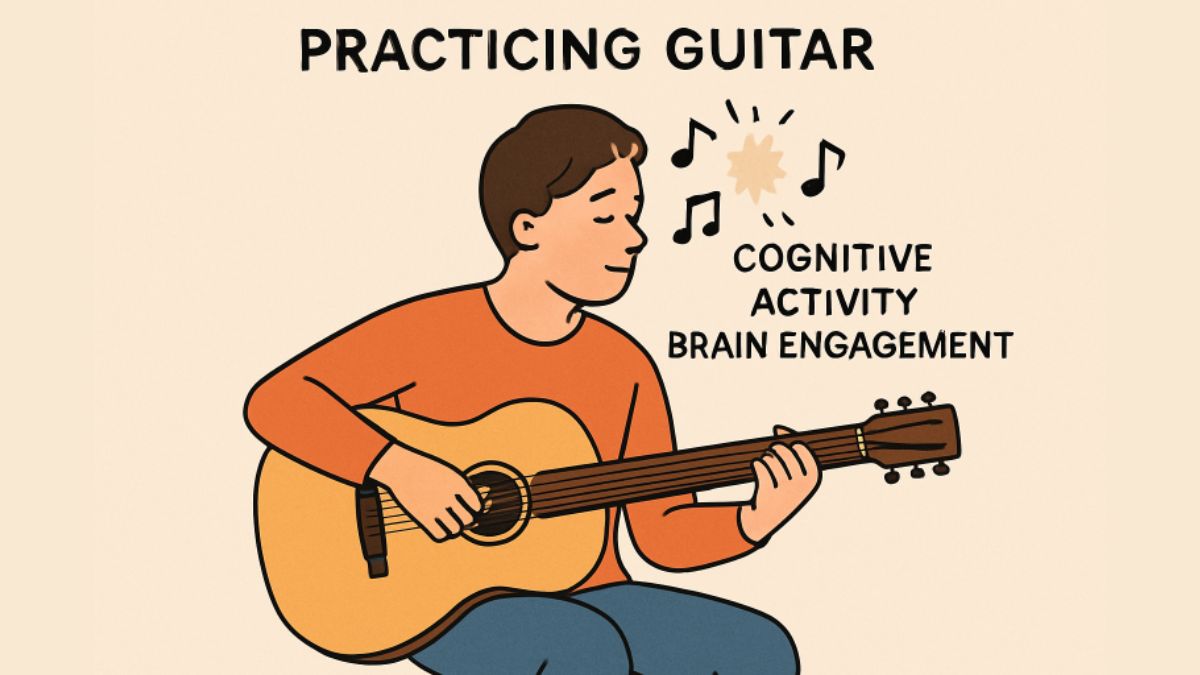
Learning guitar is more than just a creative hobby—it’s a scientifically validated way to exercise your brain and boost mental sharpness across all ages. Unlike passive hobbies, picking up a guitar and gradually mastering it challenges your mind on multiple levels, from simple motor coordination to complex memory recall and cognitive processing. As you engage in mastering chords, scales, and melodies, you activate regions of the brain linked to memory, attention, and emotional well-being.
Each new song demands focused attention and the retention of intricate patterns, which strengthens both short-term and long-term memory. For those seeking structured musical growth, guitar lessons in Ottawa offer access to expert guidance and a supportive environment that fosters these crucial cognitive skills. Whether you are a beginner or an experienced musician, embracing this journey can lead to lifelong cognitive enrichment.
Playing the guitar fosters coordination, auditory processing, and critical thinking, serving as both a source of joy and mental fitness. It promotes the formation of new neural connections, acts as a cognitive workout, and helps in adapting and problem-solving while reducing stress. Engaging in various skills, such as timing, rhythm, and hand movements, uniquely stimulates the brain, with research indicating wide-ranging benefits that transcend music, enriching cognitive skills applicable in many life areas.
Enhancing Memory and Attention
Learning to play the guitar is a dynamic process that involves memorizing finger placements, chord progressions, and entire musical pieces. Each practice session strengthens connections between brain cells and demands the coordination of both hands—a process that requires careful concentration and focus. This repeated engagement exercises the hippocampus and prefrontal cortex, the brain regions responsible for memory storage and attention control. Over time, this sustained focus translates into improved mental clarity and enhanced recall during day-to-day tasks.
Research indicates that adults who engage in regular musical practice experience improved working and episodic memory, resulting in stronger mental retention in day-to-day activities. According to a 2023 Psychology Today article, listening to music can boost the immune system, reduce stress, and improve health outcomes, emphasizing the far-reaching benefits of even casual guitar study. The act of memorizing music not only enhances your ability to remember information but also trains your mind to pay close attention to details, fostering skills that spill over into work, studies, and personal relationships.
Promoting Neuroplasticity
One of the most exciting advantages of picking up ga uitar is its impact on neuroplasticity, the brain’s extraordinary ability to adapt and rewire itself. The process of learning a new chord, song, or improvisational technique forces your brain to forge fresh neural pathways, supporting growth and adaptability at any age.
Every time you learn a new piece or technique, your brain forges fresh neural pathways, facilitating improved cognitive flexibility and the ability to switch between tasks quickly. This flexibility enables you to adapt more easily to new situations, whether in your professional life or personal endeavors. Neuroplasticity is linked to a reduced risk of age-related cognitive decline, making lifelong learning through music a valuable protective habit.
Playing the guitar encourages the brain to adapt, adjust, and learn, which means that these benefits continue to build with each new challenge you undertake. As highlighted in a 2024 Psychology Today article, music releases key pleasure-related neurotransmitters, such as dopamine, promoting sharper thinking and resilience against memory disorders. Even if you start later in life, you can experience noticeable improvements in adaptability and overall brain function.
Improving Language and Listening Skills
Guitar playing isn’t just an auditory experience—it requires intricate listening, timing, and comprehension skills that directly overlap with language processing. Developing an ear for music helps you pick out subtle differences in spoken language, making it easier to learn new languages or understand complex conversations in noisy environments.
Musicians become adept at distinguishing subtle differences in pitch, tone, and rhythm, skills that mirror those needed for understanding speech and following conversation. By training your ear to discern different musical elements, your auditory system also becomes more attuned to the intricacies of verbal communication. Research indicates that musical training enhances phonological awareness and auditory discrimination, resulting in improved language skills in both children and adults.
This is particularly beneficial for individuals with reading difficulties or auditory processing disorders, as the skills learned through music often translate into clearer listening and comprehension. These findings are supported by ongoing research in music cognition, which has led scientists to recognize the value of musical practice for individuals with language-based learning differences. This overlap explains why many schools use music education to bolster literacy and language development from an early age.
Supporting Mental Health
Studies have consistently shown that engaging with music—both listening and playing—can elevate mood, reduce anxiety, and even support mental health recovery efforts. The experience of making music is inherently rewarding, producing feelings of accomplishment and pleasure that serve as a natural antidote to stress. Playing the guitar releases neurotransmitters such as dopamine and endorphins, which are associated with feelings of joy and motivation.
Picking up your instrument after a tough day can serve as a form of self-care, providing you with a space to express your emotions and unwind. Additionally, the immersive nature of learning new songs provides a welcome distraction from daily worries, helping players manage symptoms of depression and stress. Music therapy is increasingly used in clinical settings for its ability to foster self-expression and emotional regulation.
Regular practice allows individuals to develop mindfulness skills, as focusing on music encourages them to stay present in the moment. This not only helps manage negative thoughts but also provides a creative and healthy outlet for dealing with emotional challenges. In many cases, people find that the discipline and joy of music learning become pillars of their mental well-being routine.
Fostering Social Connections
The collaborative elements of guitar playing—whether through bands, group classes, or jam sessions—cultivate valuable social skills. Working with others in a musical context requires active listening, compromise, and the ability to communicate feelings or ideas without words, all of which contribute to better social interaction outside of music as well. Learning together in a group environment fosters teamwork, communication, and empathy, enabling individuals to feel connected to others through a shared artistic endeavor.
For many, sharing music creates a strong sense of belonging that counteracts feelings of isolation. Research published by foremost music education advocates highlights how group music making not only boosts technical proficiency but also enhances emotional literacy and cooperative spirit. Group learning and performance provide people with the opportunity to meet, collaborate, and bond with others who share similar interests, which in turn fosters confidence and interpersonal skills.
For many, the friendships and sense of community gained from musical collaboration become as rewarding as the music itself. As musicians support one another and celebrate shared accomplishments, their relationships deepen, making the journey more enjoyable and meaningful.
Conclusion
Learning the guitar offers numerous cognitive, emotional, and social benefits, making it one of the most effective activities for holistic mental development at any age. With each practice session, you invest in enhanced memory, increased flexibility, improved focus, and a more profound sense of well-being. Whether your aim is sharper focus, stronger memory, greater adaptability, or simply more joy in life, the journey into guitar playing is a worthwhile investment.
No matter where you begin, the impacts of this musical pursuit are lasting and profound, opening doors to lifelong learning and personal growth. If you’re ready to embark on a journey that rewards your mind as much as your spirit, picking up a guitar may be the perfect next step.