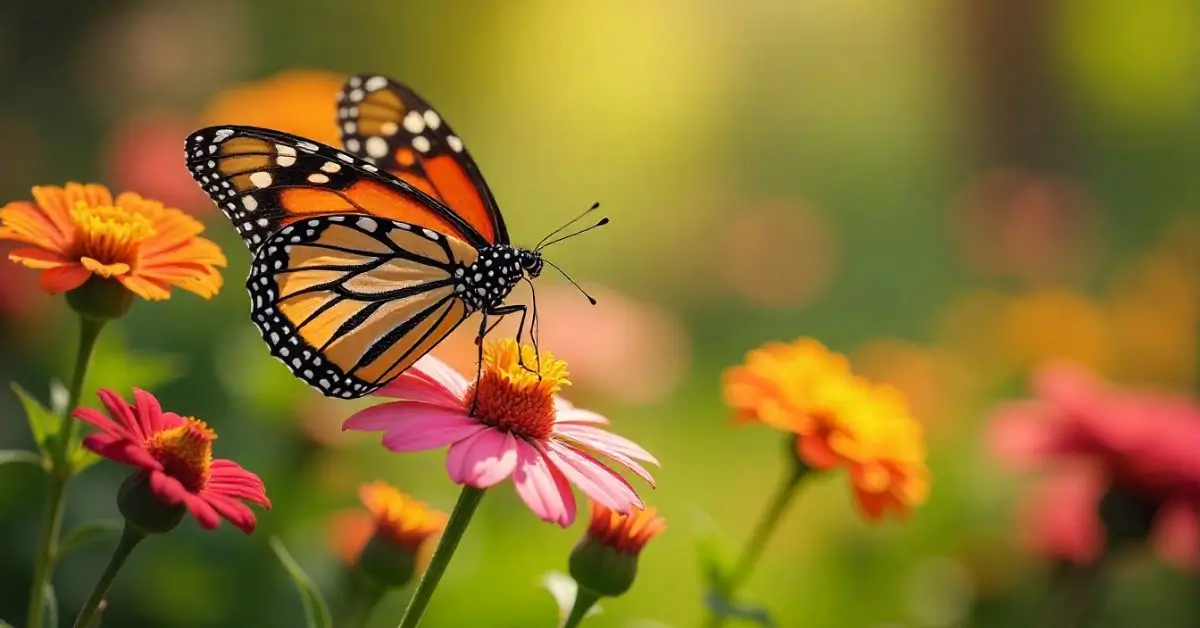
Imagine stepping into a garden where hundreds of butterflies dance in the air, sipping nectar from brightly colored flowers. It’s not just a pretty sight—it’s nature working in harmony. For gardeners and families, a butterfly garden turns a backyard into a sanctuary. For teachers, it’s a living classroom. And for travelers, these gardens are unforgettable destinations full of beauty and biodiversity.
But here’s the best part: creating or visiting the butterfly garden isn’t just about aesthetics—it’s about protecting pollinators, supporting ecosystems, and connecting people with nature.
Quick Answer
A butterfly garden is a thoughtfully designed space filled with nectar plants and host plants that attract butterflies, provide a safe habitat, and support pollination. Whether you’re a gardener, parent, teacher, or traveler, it’s both an educational and magical experience.
What Is a Butterfly Garden and How Does It Work?
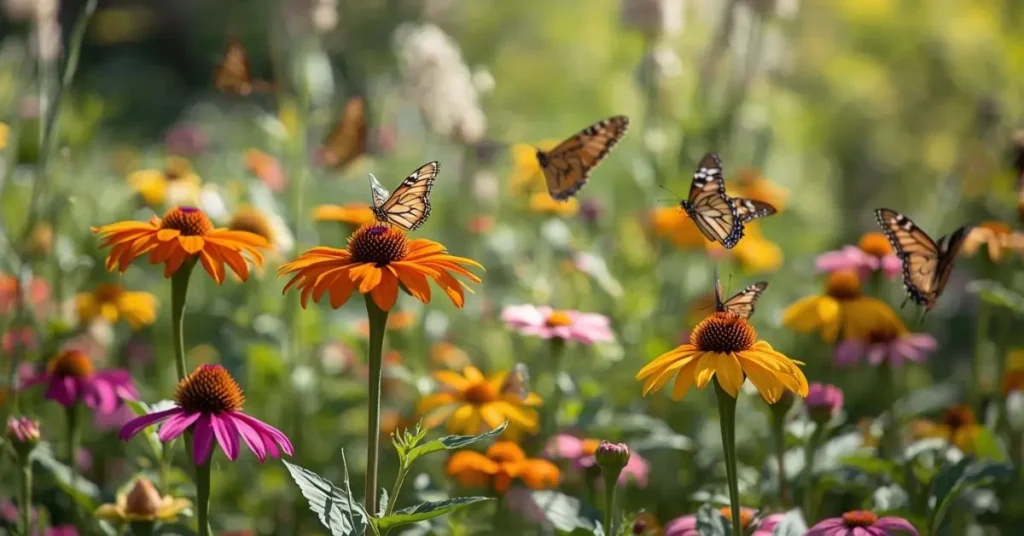
A butterfly garden is more than flowers and shrubs. It’s a carefully planned pollinator garden designed to:
- Attract butterflies with nectar-rich flowers
- Provide host plants where butterflies can lay eggs
- Offer shelter from wind, predators, and weather
- Encourage the butterfly life cycle—egg, caterpillar, chrysalis, adult
By including native plants for butterflies, gardeners create a sustainable environment where butterflies thrive year after year.
Best Plants for Attracting Butterflies
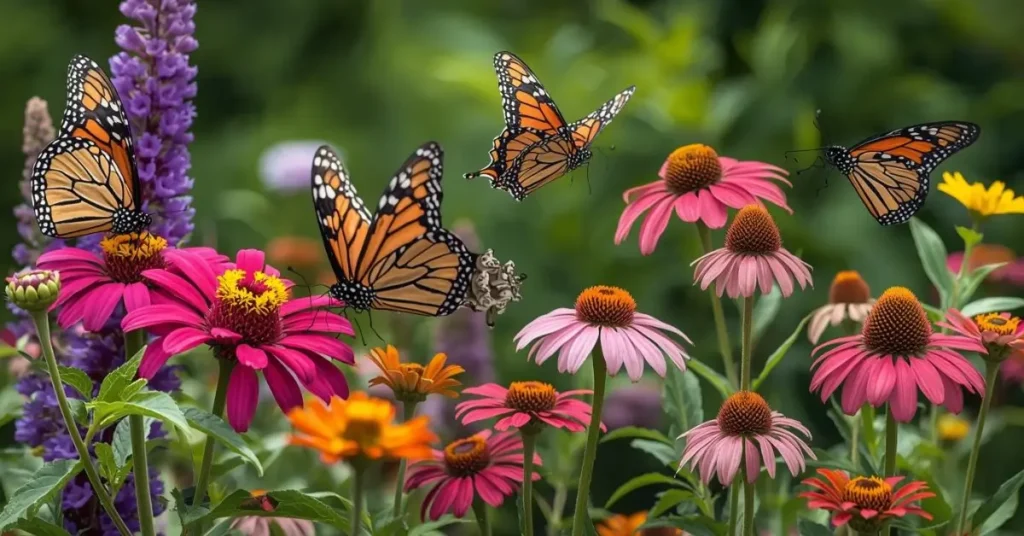
When designing the butterfly garden, plant selection makes all the difference.
Nectar Plants (for adult butterflies):
- Zinnias
- Butterfly bush (Buddleja)
- Coneflowers
- Lantana
- Milkweed (essential for monarch butterfly gardens)
Host Plants (for caterpillars):
- Milkweed → Monarchs
- Parsley, Dill, Fennel → Swallowtails
- Passionflower → Gulf Fritillary
Pro Tip: Choose native plants whenever possible. They’re adapted to your region and support local butterfly populations better than exotics.
How to Start a Butterfly Garden at Home
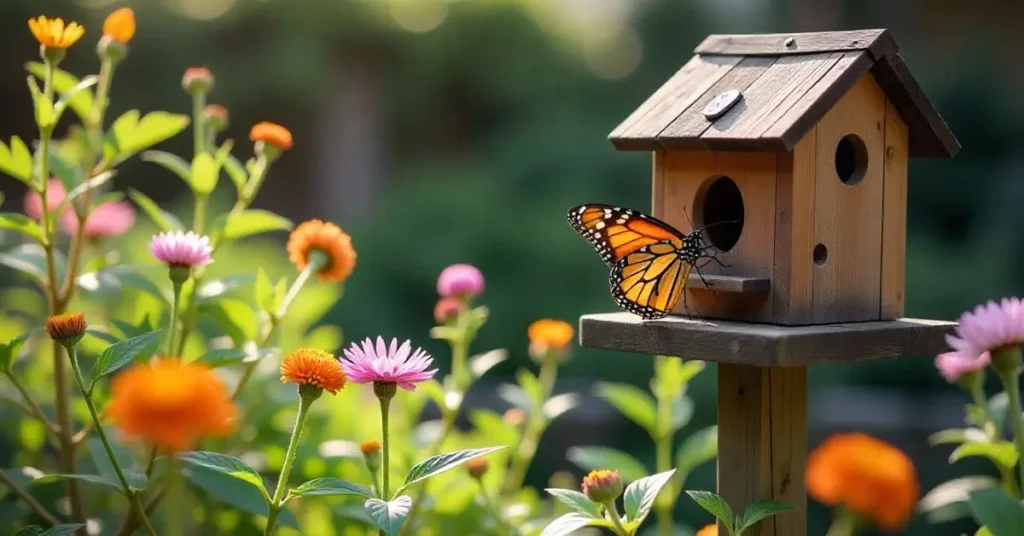
You don’t need acres of land. Even a small patch or balcony can become a butterfly haven.
Step-by-Step Guide (DIY Butterfly Garden):
- Pick a sunny spot — Butterflies love warmth.
- Plant clusters of nectar plants for visibility.
- Add host plants for breeding.
- Provide shallow water (a “puddling station”).
- Skip pesticides — they harm pollinators.
- Include a butterfly house or shelter for protection.
The Butterfly Garden as a Destination
Beyond home gardens, butterfly sanctuaries and conservatories draw visitors worldwide.
- The Butterfly Garden near me → Local botanical gardens and conservatories often host butterfly houses.
- Best butterfly gardens in the US/UK/Canada → Destinations like Butterfly Wonderland (Arizona), Stratford Butterfly Farm (UK), and Montreal’s Insectarium.
- Butterfly garden zoo or conservatory → Many zoos feature seasonal butterfly exhibits.
Tip: Always check butterfly garden tickets and entry fees online before planning your trip.
Why Parents, Teachers & Educators Love Butterfly Gardens
Butterfly gardens aren’t just beautiful—they’re powerful learning tools.
- Teach kids about the butterfly life cycle in real time.
- Use butterfly garden kits for kids as hands-on science projects.
- Plan field trips to butterfly sanctuaries to spark environmental awareness.
Educators often highlight butterfly gardens as living examples of biodiversity, conservation, and pollination.
Where to Buy Butterfly Garden Supplies
Starting your own butterfly habitat? You’ll need:
- Butterfly-friendly flowers & seeds (nurseries or online)
- Top-rated butterfly houses for backyards (widely available online)
- Butterfly garden kits (perfect for kids and classrooms)
Trusted sources include university extension programs, garden centers, and nonprofit conservation organizations.
Do Butterfly Gardens Help with Pollination?
Yes. Butterflies aren’t as efficient as bees, but they play an important role in pollination. According to research published by the USDA and academic studies, butterfly activity supports plant diversity and overall ecosystem health.
Quick Comparison: Home Garden vs. Public Sanctuary
| Feature | Home Butterfly Garden | Public Butterfly Sanctuary |
|---|---|---|
| Size | Small (backyard/balcony) | Large, professionally maintained |
| Educational Value | Hands-on, family learning | Guided tours, workshops |
| Cost | Low (DIY setup) | Entry fees or tickets |
| Biodiversity | Limited to local species | Global butterfly species |
EXPERT ANSWERS
How to start a butterfly garden step by step?
Choose a sunny spot, plant nectar and host plants, provide water, avoid pesticides, and add shelter.
What’s the difference between a butterfly house and a butterfly garden?
A butterfly house is an enclosed space (often in zoos or conservatories), while a butterfly garden is an open-air habitat.
Are butterfly gardens good for kids?
Yes. They teach children about life cycles, pollination, and conservation in a hands-on way.
Where can I find butterfly garden workshops?
Many botanical gardens and universities offer seasonal workshops for families and hobbyists.
Can butterfly gardens support other pollinators?
Yes, bees, hummingbirds, and moths benefit from nectar-rich plants, too.
FAQ’s
Q1: Which flowers attract monarch butterflies?
Milkweed is the #1 choice. Other nectar plants like zinnias and coneflowers also help monarchs thrive.
Q2: Can I build a butterfly garden in a small space?
Absolutely. Even a balcony planter with native nectar plants can attract butterflies.
Q3: Do butterfly gardens require special maintenance?
Not really. Once established, they’re low-maintenance—just avoid chemicals and keep flowers blooming.
Expert Sources Consulted
- USDA Pollinator Garden Guide
- Royal Horticultural Society (rhs.org.uk)
- National Wildlife Federation (nwf.org)
Author Bio
Written by Emily Carter, a seasoned content writer with a passion for nature, gardening, and sustainable living. With a degree in Environmental Studies and over five years of experience creating SEO-optimized educational content, she specializes in blending expert research with approachable storytelling that connects with readers.