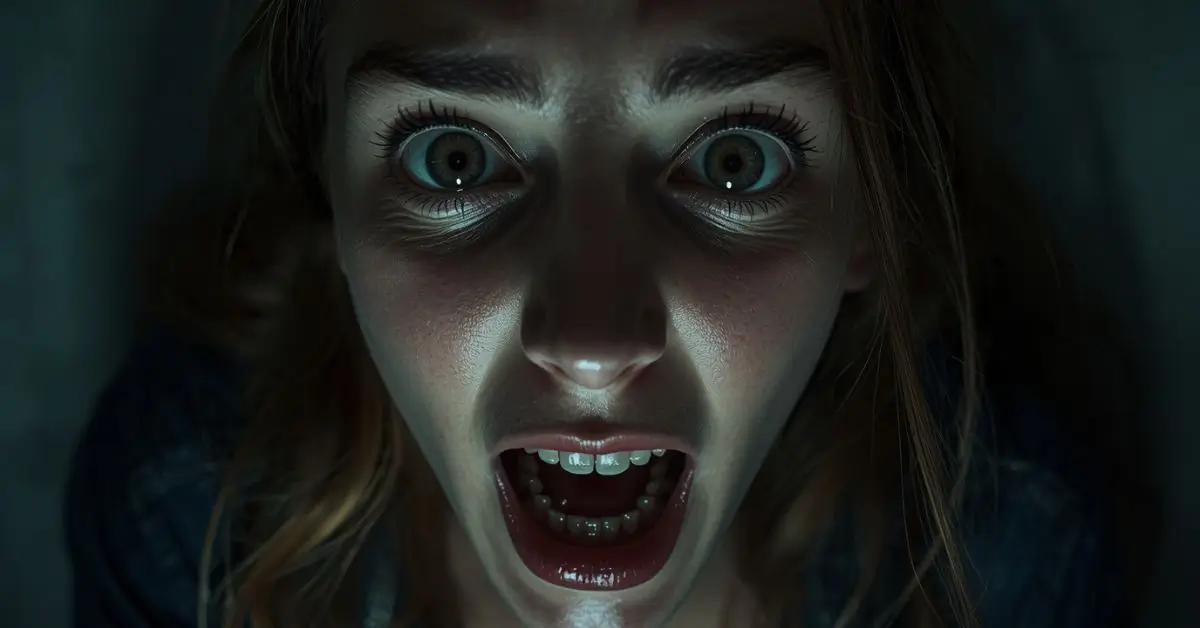
Not all horror comes with screams, blood, and chaos. Some of the most chilling moments in film, literature, and art are delivered in silence a trembling lip, wide unblinking eyes, or the slight tightening of the jaw. That’s the quiet horror expression, and it’s what turns ordinary fear into something unforgettable.
If you’re a writer trying to describe subtle fear, an actor learning how to embody terror without overacting, or an artist searching for visual cues to illustrate dread understanding this expression can take your craft to the next level. Even researchers studying emotional psychology and fans who love slow-burn gothic horror will find its nuances fascinating.
Quick Answer
A quiet horror expression is the subtle, restrained look of fear or dread shown in acting, writing, or art. Instead of loud screams or exaggerated gestures, it’s conveyed through small facial cues, muted body language, and emotional tension making the fear feel far more real and unsettling.
What Is a Quiet Horror Expression?
A quiet horror expression is the restrained yet intense portrayal of fear. Unlike exaggerated reactions, it relies on:
- Microexpressions: slight eyebrow raises, dilated pupils, or quivering lips.
- Muted body language: stillness, tense shoulders, or a frozen stance.
- Psychological cues: the sense that someone is processing something too terrible to fully grasp.
According to psychologist Paul Ekman’s research on microexpressions (referenced in the American Psychological Association), these subtle cues often reveal real fear more effectively than loud reactions.
Why Quiet Horror Hits Harder Than Loud Horror
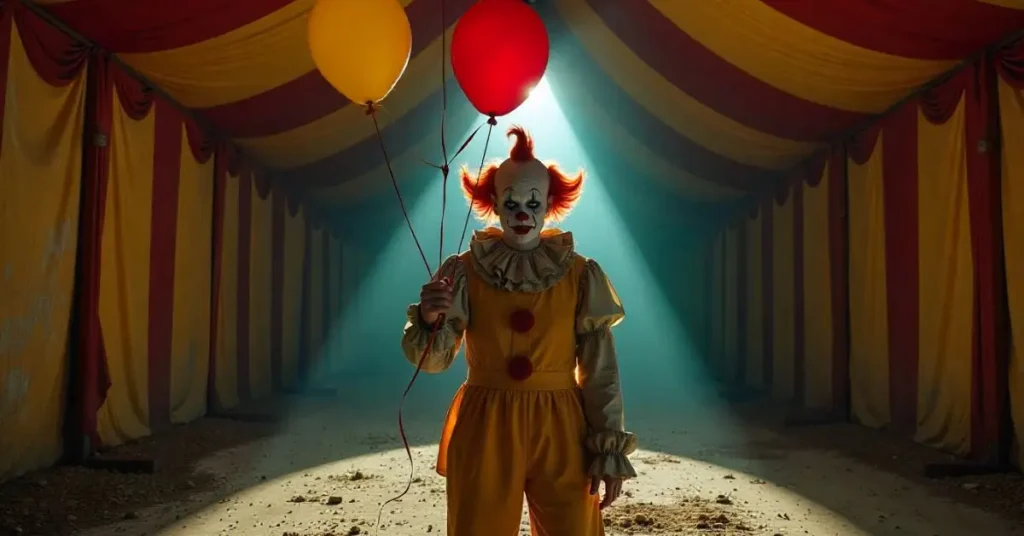
- Realism: Few people scream when they’re terrified; most freeze or suppress it.
- Psychological tension: A silent terror reaction forces the audience to imagine the unseen horror.
- Atmosphere: In gothic horror, the pause, the silence, and the repressed horror expression often linger longer than a scream.
Think about The Shining: Jack Nicholson’s manic expressions are iconic, but it’s Shelley Duvall’s quiet dread emotion her wide eyes and trembling voice that leaves us uneasy.
How to Describe Quiet Horror in Writing
Writers often struggle to capture fear without cliché. Here are strategies:
- Use sensory detail: “Her fingers stiffened against the glass, though her breath stayed silent.”
- Focus on restraint: Show what’s not happening (no scream, no flailing).
- Leverage contrast: Calm settings make the muted fear response more striking.
Example line:
“He didn’t scream; his lips barely parted, yet the horror in his stare made the silence unbearable.”
Quiet Horror in Acting and Performance
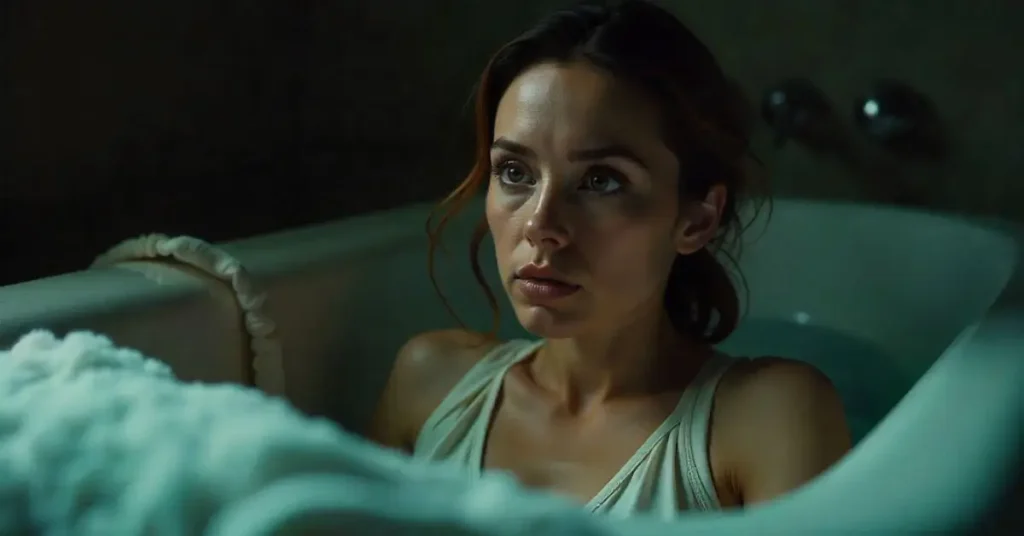
Actors and drama students can practice quiet horror expression through:
- Eye focus: Hold a stare too long or avoid eye contact completely.
- Controlled breath: Shallow or rapid breathing signals hidden panic.
- Tension without movement: Stillness often communicates suppressed terror face better than frantic motion.
In A Quiet Place, Emily Blunt’s bathtub scene is a masterclass in understated horror face fear communicated through silence, physical restraint, and trembling expression.
Artistic and Cinematic Representations
Artists and illustrators often rely on:
- Shadows and lighting: Chilling silence reaction is heightened with dim, high-contrast visuals.
- Facial structure exaggeration: Slight changes to the eyes or mouth.
- Composition: Positioning the subject in isolation to emphasize vulnerability.
Silent horror vs loud horror? In cinema, Nosferatu (1922) proved that silence can be more terrifying than sound.
Psychological Meaning Behind Quiet Horror
Researchers studying fear responses note that silence often equals survival. Freezing is an instinctive reaction wired into human biology (Harvard Health explains this as part of the fight flight–freeze response). A quiet dread emotion suggests the brain is overwhelmed, unable to choose between action and paralysis.
This is why such expressions resonate they reflect authentic human psychology.
EXPERT ANSWERS
What is a quiet horror expression in acting?
It’s the restrained portrayal of fear through subtle cues like eye movement, breath control, and body stillness instead of screams or exaggerated gestures.
How to describe a face showing quiet horror in writing?
Focus on microexpressions: dilated pupils, trembling lips, or a clenched jaw. Show tension without release.
Examples of subtle horror expressions in movies?
- Emily Blunt in A Quiet Place
- Toni Collette in Hereditary
- Shelley Duvall in The Shining
Silent horror vs loud horror expressions explained
Silent horror relies on psychological fear cues (stillness, suppression, silence). Loud horror uses dramatic screams and gestures. Silent horror often lingers longer in memory.
Best words to describe quiet horror in literature
- Trembling
- Wide-eyed
- Frozen
- Hollow
- Quivering
- Still
Final Thoughts
The quiet horror expression isn’t about silence alone; it’s about restraint, psychology, and authenticity. It’s what makes gothic horror unforgettable, what gives actors emotional depth, and what lets writers and artists connect with audiences on a visceral level.
If you’re aiming to write, perform, or illustrate horror that lingers, focus less on the scream and more on the silence.
FAQ’s
Q1. How do actors portray quiet horror on screen?
They use controlled breathing, microexpressions, and silence. Often the lack of reaction feels more real than a scream.
Q2. What facial cues show silent fear or dread?
Dilated pupils, clenched jaw, stiff posture, pale skin, and eyes that dart or freeze in place.
Q3. How to write body language that shows quiet horror?
Focus on restraint: stiff fingers, held breath, shoulders pulled tight. Show what isn’t happening (no scream, no words).
Author Bio
Written by Daniel Hart, a professional content writer and SEO specialist with a background in English Literature. Daniel has over 7 years of experience crafting high-quality articles on film, literature, and pop culture, helping readers and creatives explore storytelling in deeper, more meaningful ways.