Micro bond hair extensions have surged in popularity among Londoners seeking length, volume, or a dramatic transformation, but concerns about potential hair damage persist. Choosing the right attachment method is crucial for preserving scalp health and natural hair condition, especially for those with finer or more fragile strands. The advanced technology of keratin bonds offers many benefits, and salons such as Ivana Farisei provide expert installation of keratin bonds hair extensions to minimize risks. Understanding how micro bonds interact with your hair is essential before booking a salon appointment. Let’s explore the science, benefits, and best practices so you can make an informed, confident decision about micro bond extensions.
How Micro Bond Extensions Work and Their Impact on Natural Hair
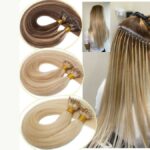
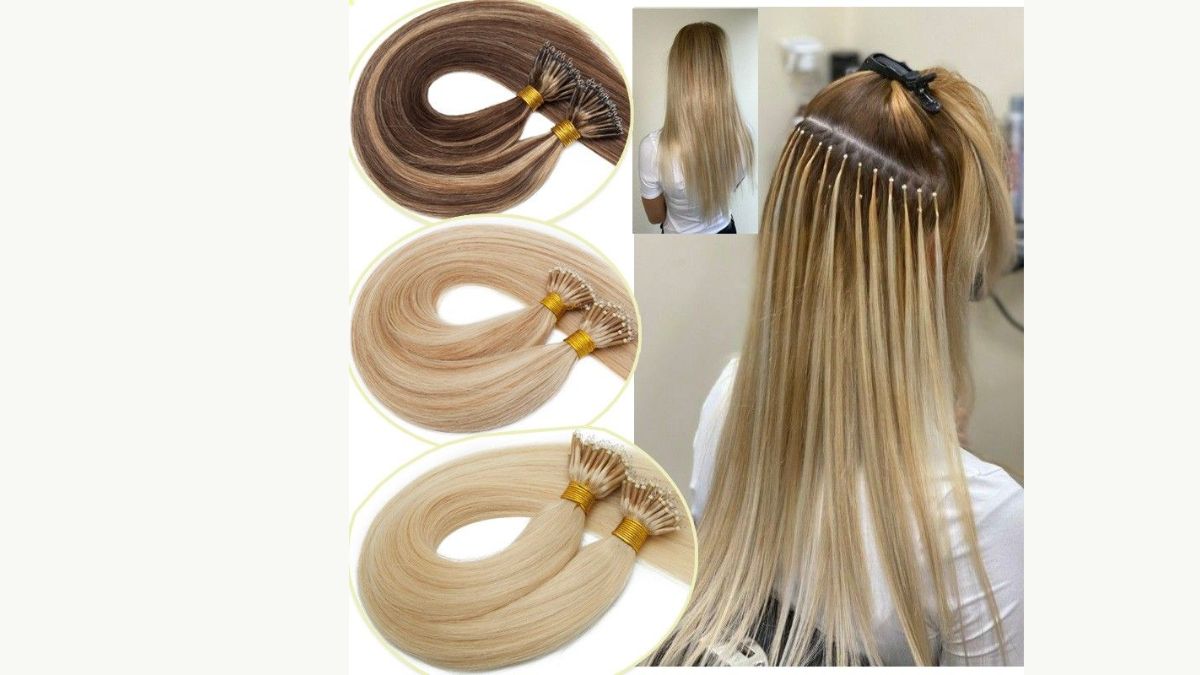
Micro bond extensions use miniature keratin tips fused to small sections of your own hair, creating an almost invisible bond. Unlike traditional bulky methods, micro bonds are lightweight and distribute weight more evenly, which can help reduce tension on the scalp. The installation process requires precision and expertise, as each strand is attached individually using a low-temperature fusion tool or a specialized ultrasonic device.
The suitability of micro bond extensions in London’s climate is often underestimated. Londoners contend with humidity, wind, and temperature fluctuations that can affect both natural hair and extensions. However, the keratin-based adhesive used in micro bonds is resilient, designed to withstand daily wear and environmental changes without compromising integrity.
When properly installed and maintained, micro bonds are among the safest semi-permanent hair extensions for most hair types. Their very small size means they blend seamlessly and create a natural look even for those with fine or medium-textured hair. The bonds flex naturally with your hair, reducing the risk of breakage often seen with heavier or bulkier styles. Still, installation technique matters: unskilled application or too-large bonds can stress hair follicles and lead to traction alopecia. That’s why choosing a highly trained stylist is paramount.
The removal process is equally important. High-quality salons in London use gentle, professional-grade solutions to dissolve the keratin comfortably, leaving the natural hair structure intact. DIY removal or tugging at the bonds can cause breakage or damage, emphasizing the need for expert care both in placement and removal.
Factors That Affect Hair Damage Risk with Micro Bond Extensions
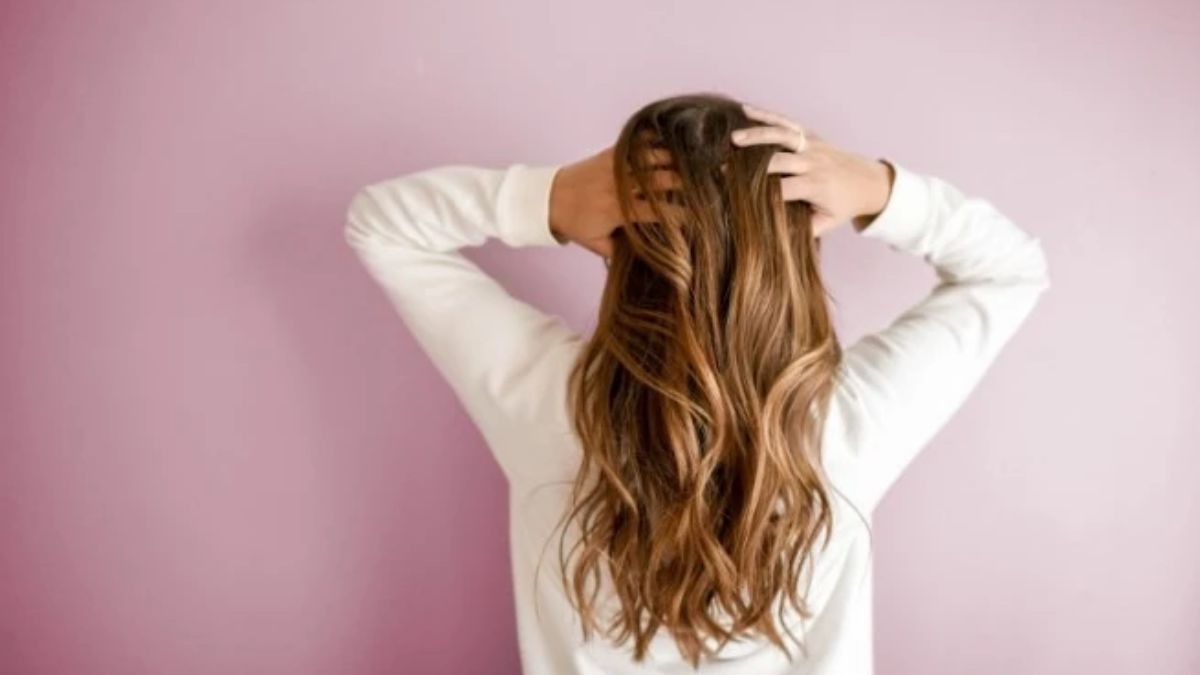
The potential for micro bond extensions to harm your natural hair depends on several personalized factors. Not every individual will have the same experience, and consideration of your unique hair profile is essential.
Hair Type and Condition
Londoners with healthy, strong hair are less likely to experience damage from micro bonds compared to those with fine, weak, or chemically treated hair. Prior damage, frequent coloring, or excessive heat styling can make the hair shaft more vulnerable. Micro bond extensions are not recommended for those with active scalp conditions or severe thinning.
Installation Skill and Salon Experience
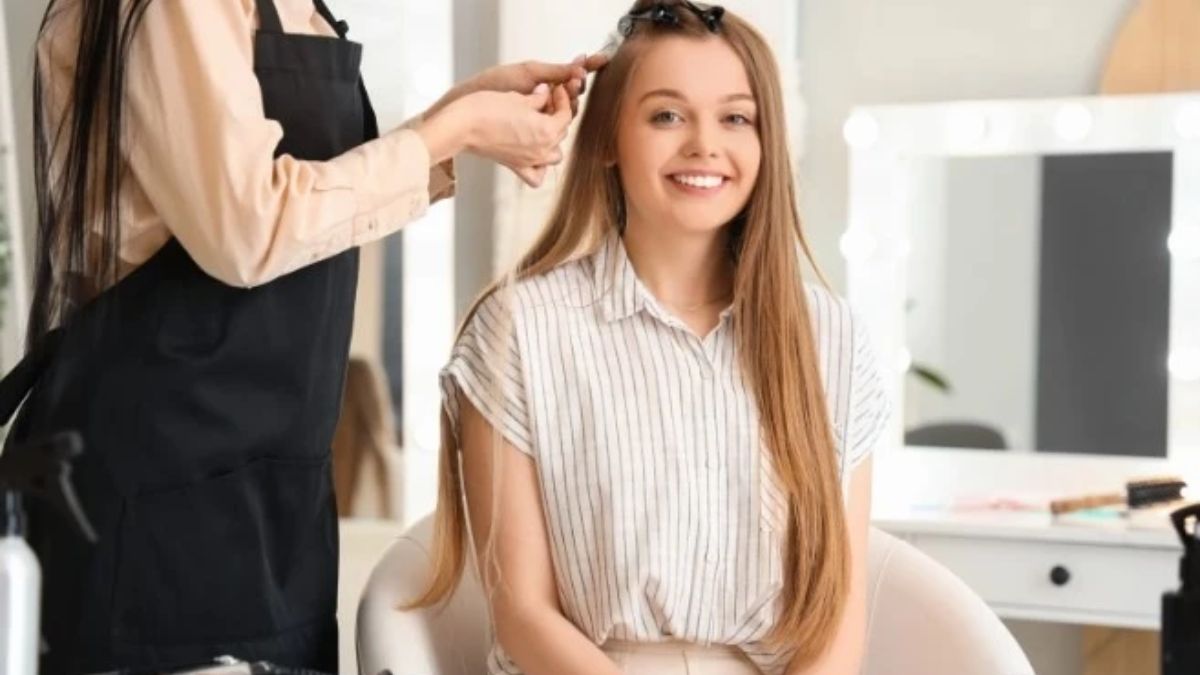
The expertise of your stylist is directly linked to the health of your natural hair. Incorrect sectioning, oversized bonds, or improper spacing can lead to uneven tension and stress. Always choose a salon with proven experience in micro techniques. For example, Ivana Farisei offers micro bond hair extensions in a way that prioritizes hair integrity and client safety.
Daily Care and Maintenance
Routine hair care is essential. Using sulfates or oils near the bonds can weaken the keratin, causing slippage or tangling. Regular brushing with a soft, extension-friendly tool prevents matting and distributes natural scalp oils. Sleeping with hair loosely tied and avoiding frequent updos helps minimize mechanical strain.
Removal Process
Attempting to remove micro bond extensions at home is a major risk factor for damage. Salons use professional-grade solutions to break down the keratin cleanly. Trained stylists know how to separate the bonds from your hair without tugging or breaking fragile strands. Scheduling timely maintenance appointments every 8-12 weeks ensures the bonds remain secure and don’t migrate or mat.
Lifestyle and Environmental Factors
London’s busy lifestyle and ever-changing weather mean extensions are exposed to friction, moisture, and pollutants. Using heat protectant sprays before styling, wearing hats or using silk scarves in harsh conditions, and washing hair with lukewarm water can help protect both natural hair and extensions.
Essential Aftercare Tips for Healthy Hair with Micro Extensions

Once you’ve invested in micro bond extensions, diligent aftercare is crucial for keeping your hair healthy. Ivana Farisei provides ombre hair extensions UK for those seeking a custom look, but all users should adhere to professional aftercare guidelines:
- Use only sulfate-free, extension-safe shampoos and conditioners.
- Avoid applying conditioner directly on the bonds.
- Gently detangle hair daily with a wide-tooth comb, starting from the ends.
- Dry hair thoroughly after washing, focusing on the bonds to prevent moisture buildup.
- Schedule regular maintenance appointments every 8-12 weeks.
- Sleep with hair in a loose braid or ponytail to reduce tangling.
- Never attempt self-removal; always visit a qualified salon.
- Limit heat styling and always apply heat protectant.
- Avoid oil-based or heavy serums at the roots or near the bonds.
- Protect hair from chlorine or salt water by wearing a swim cap.
Following these recommendations preserves both the longevity of your extensions and the health of your underlying hair.
Comparing Micro Bonds to Other Hair Extension Methods
Micro bond extensions are often contrasted with tape-ins, sew-ins, and clip-ins. Micro bonds offer superior durability and discretion, especially for those with fine or mid-textured hair, as they don’t cause bulky roots or visible attachment points. Unlike clip-ins, which are suitable only for occasional use, micro bonds can be worn for months with minimal adjustment. Compared to tape-ins, which stick to a wider section of hair and can stress finer strands, micro bonds distribute pressure more evenly, reducing localized trauma.
In salons across London, stylists recommend micro bonds for clients seeking a natural look without compromising hair health. When compared with traditional keratin, glue-in, or weaving techniques, micro bonds are less invasive, offer greater comfort, and are less likely to cause irritation. However, they do demand a greater commitment to regular maintenance and professional oversight.
The Expert Verdict on Micro Bond Extensions and Hair Health
Modern micro bond extensions, when expertly applied and carefully maintained, present minimal risk to natural hair. London residents seeking fuller, longer hair without damage should prioritize professional installation and diligent aftercare. Micro bonds offer a discreet, gentle solution, making them a leading choice for those invested in healthy, beautiful hair transformations.