Vinyasa Yoga Practice is more than a workout. It is a flowing movement meditation that connects breath with motion, creating a rhythm that feels natural and energizing. Unlike rigid routines, Vinyasa offers creativity and freedom, allowing each session to feel fresh and purposeful. Whether you are new to yoga or looking to deepen your understanding, this guide will help you explore the true essence of this powerful practice in a simple and practical way.
Table of Contents
What Is Vinyasa Yoga Practice?
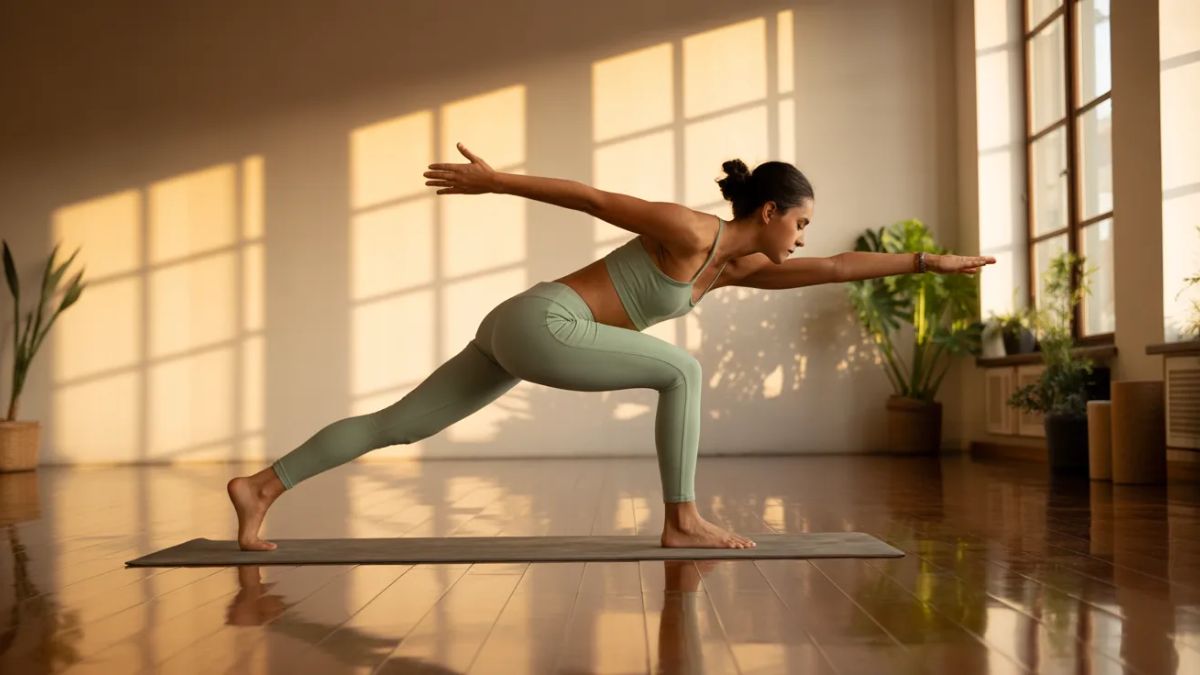
Vinyasa Yoga Practice is a dynamic style of yoga where movements flow smoothly from one posture to the next. The word “vinyasa” means to place in a special way, referring to intentional movement linked with breath. In this style, each inhale and exhale guides your transitions, creating a seamless sequence. Unlike slower forms of yoga, Vinyasa feels like a graceful dance on the mat. It builds heat in the body, strengthens muscles, and improves flexibility while maintaining mindfulness. This balance between effort and ease makes it one of the most popular modern yoga styles.
The Core Principle: Breath and Movement
Breath control, often called pranayama, is the heart of Vinyasa Yoga Practice. Each posture is synchronized with inhalation or exhalation, creating a steady internal rhythm. This mindful breathing supports oxygen flow and helps maintain focus throughout the session. When breath leads movement, the body feels lighter and transitions become smoother. The connection also reduces stress and prevents overexertion. Practicing this coordination regularly improves concentration and brings a sense of calm clarity.
Physical Benefits of Vinyasa Yoga Practice
One major reason people choose Vinyasa Yoga Practice is its physical impact. The flowing sequences build muscular strength, especially in the core, arms, and legs. Because poses transition continuously, the heart rate increases, offering cardiovascular benefits similar to light aerobic exercise. Flexibility improves gradually as muscles warm up through repetition. Many practitioners notice better posture and balance after consistent practice. Over time, the body becomes both strong and supple without feeling stiff or bulky.
Mental and Emotional Wellness
Beyond physical fitness, Vinyasa Yoga Practice supports mental well-being. The rhythmic flow encourages mindfulness and reduces mental clutter. By focusing on breath and posture alignment, attention shifts away from daily stress. This form of moving meditation can lower anxiety levels and improve mood. Regular sessions often lead to better sleep patterns and increased emotional resilience. The calming effect continues even after you roll up your mat.
Understanding the Flow Sequence
A typical Vinyasa Yoga Practice begins with gentle warm-up poses to prepare the body. The flow then builds intensity with sun salutations, standing postures, and balancing poses. Each sequence is carefully structured to create progression without strain. Instructors often design creative transitions to maintain interest and challenge coordination. Toward the end, cooling stretches and relaxation help the body recover. This thoughtful structure ensures a balanced and safe experience.
Sun Salutations: The Foundation of Flow
Sun salutations, or Surya Namaskar, form the backbone of most Vinyasa Yoga Practice sessions. These sequences link forward folds, planks, chaturanga, and upward-facing dog in a continuous motion. Repeating these flows builds stamina and strengthens the entire body. The repetition also creates familiarity, making transitions smoother over time. Sun salutations generate internal heat, which prepares muscles for deeper stretches. Mastering them builds confidence and fluidity in your overall practice.
Alignment and Safety in Practice
Proper alignment plays a crucial role in Vinyasa Yoga Practice. Moving quickly without awareness can lead to strain, especially in the shoulders and lower back. Maintaining a neutral spine and engaging core muscles protects the body. Listening to physical signals prevents overexertion. Beginners should move at a comfortable pace instead of rushing to match others. With mindful alignment, the practice remains safe and sustainable for years.
Building Strength and Endurance
Because Vinyasa Yoga Practice involves repeated transitions, it naturally builds endurance. Holding poses like plank and warrior strengthens stabilizing muscles. Over time, practitioners develop greater control and stamina. The consistent engagement of multiple muscle groups improves overall functional fitness. This strength supports daily activities and reduces injury risk. The combination of flexibility and power makes the body feel balanced and capable.
Flexibility and Mobility Gains
Flexibility develops gradually in Vinyasa Yoga Practice due to its flowing style. As muscles warm through movement, deeper stretches become more accessible. Hip openers, hamstring stretches, and spinal twists improve joint mobility. Increased mobility enhances posture and reduces stiffness from sedentary habits. The dynamic approach prevents the body from feeling overstretched or cold. Consistent sessions create noticeable improvements in range of motion.
Creating a Personal Home Practice
Starting a home-based Vinyasa Yoga Practice does not require complex equipment. A comfortable mat and quiet space are enough. Begin with short sessions and focus on mastering basic poses. Online classes or guided videos can provide structure. Gradually increase duration as stamina improves. Maintaining regularity matters more than intensity. With patience, a home practice becomes a powerful daily ritual.
Choosing the Right Pace for You
Not all Vinyasa Yoga Practice sessions move at the same speed. Some classes emphasize slow, controlled transitions, while others feel fast and energetic. Beginners often benefit from slower flows to learn alignment. More experienced practitioners may enjoy power yoga variations for added challenge. Listening to your body helps determine the ideal pace. Finding balance prevents burnout and keeps motivation high.
The Role of Mindfulness in Flow
Mindfulness transforms Vinyasa Yoga Practice from simple exercise into a holistic discipline. Staying present during each transition deepens awareness. Observing sensations without judgment builds self-understanding. This awareness strengthens the mind-body connection. As focus improves, everyday stress becomes easier to manage. Mindful flow turns physical movement into a calming, reflective experience.
Common Mistakes to Avoid
Many newcomers push themselves too hard in Vinyasa Yoga Practice. Skipping warm-ups or ignoring breath patterns can reduce effectiveness. Comparing progress to others often leads to frustration. Moving too quickly without proper alignment may cause discomfort. Taking rest poses when needed supports sustainable growth. Patience and consistency matter more than advanced poses.
How Often Should You Practice?
For noticeable results, practicing Vinyasa Yoga Practice three to five times a week works well for most people. Even two sessions weekly can improve flexibility and mental clarity. Consistency builds muscle memory and confidence. Rest days allow recovery and prevent fatigue. Listening to your body ensures balanced progress. Over time, the benefits become part of your lifestyle.
Conclusion: Embrace the Flow
Vinyasa Yoga Practice offers a beautiful blend of strength, flexibility, and mindfulness. Its flowing sequences energize the body while calming the mind. By connecting breath with movement, it transforms exercise into a moving meditation. Whether you practice at home or in a studio, the key lies in consistency and awareness. When approached with patience and intention, Vinyasa becomes more than a routine—it becomes a lifelong path to balance and well-being.
FAQs
What is Vinyasa Yoga Practice?
Vinyasa Yoga Practice is a flowing style of yoga that connects breath with continuous movement between poses.
Is Vinyasa Yoga good for beginners?
Yes, beginners can start with slower classes to learn alignment and breathing techniques safely.
How is Vinyasa different from Hatha yoga?
Vinyasa focuses on continuous flow and dynamic transitions, while Hatha typically involves holding poses longer.
Can Vinyasa Yoga help with weight loss?
It can support weight management by increasing heart rate, building muscle, and improving metabolism.
How long should a Vinyasa session last?
A typical session lasts between 30 to 60 minutes, depending on experience and goals.