

Key Takeaways
- Embracing technology can streamline operations and improve communication within community associations.
- Proactive financial planning and reserve studies are essential for the long-term sustainability of associations.
- Engaging residents through transparent governance fosters a sense of community and compliance.
Leveraging Technology for Efficient Management
The digital transformation within the property management sector has revolutionized how community associations operate, making communication and organization more efficient than ever. By partnering with a trusted community management company, associations gain access to robust management software that automates essential tasks such as collecting dues, handling maintenance requests, and tracking financials. These platforms not only minimize paperwork and manual errors but also offer secure, transparent self-service portals for residents, which dramatically reduce administrative workload and enhance member satisfaction.
Moreover, digital tools facilitate real-time updates and timely responses to resident concerns. Communities that leverage these innovations enjoy improved relationships between residents and management, with streamlined issue resolution and easy access to critical information online. The effectiveness of such systems is well-documented in numerous case studies and industry research, showing higher resident engagement and lower operational costs for tech-forward associations.
Proactive Financial Planning and Reserve Studies
Sustainable financial practices are the cornerstone of successful association management. Regularly conducted reserve studies estimate the funds required for future repairs and major replacements, ensuring the long-term viability of community assets. For example, Maryland’s House Bill 107 now requires reserve studies to be conducted every five years for condominiums and homeowner associations. Strategic planning like this empowers boards to forecast expenses accurately and avoid sudden special assessments or fee hikes.
Proactive financial planning extends beyond reserves, encompassing routine budgeting, transparent expense tracking, and periodic financial reviews. Boards that invest in ongoing education and professional advice are better positioned to navigate market fluctuations and legislative changes, maintaining the association’s financial health for years to come.
Transparent Governance and Resident Engagement
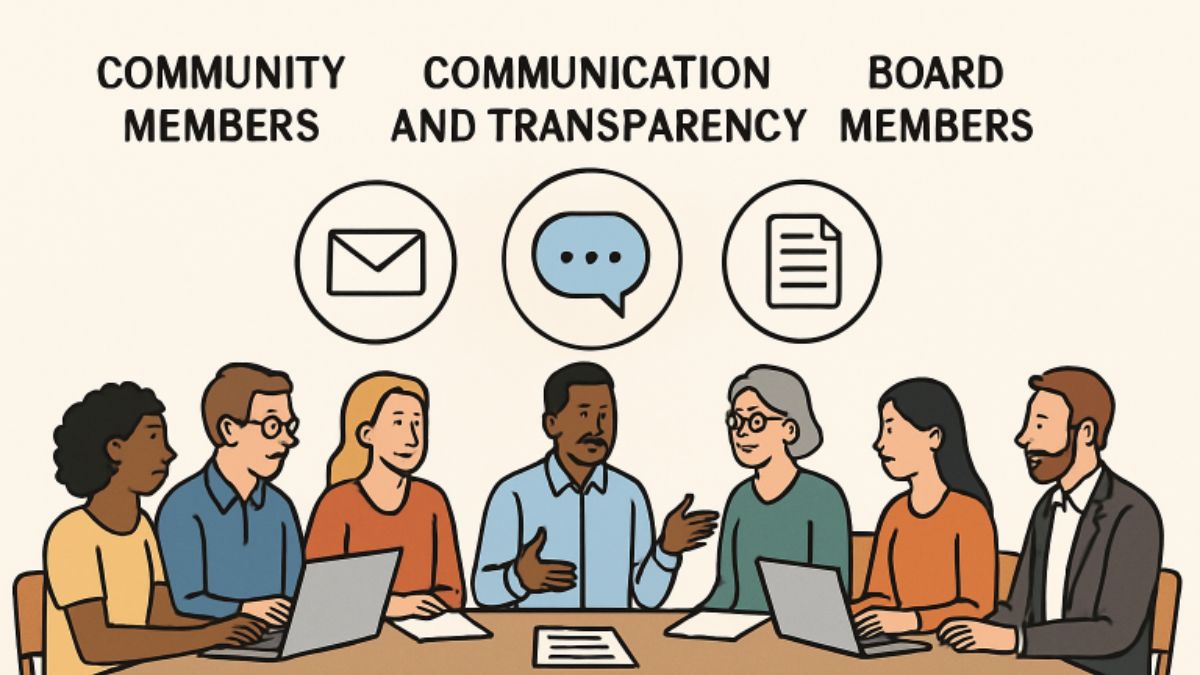
Transparency in board decisions and active resident participation are central to a thriving community association. Establishing multiple channels for open communication—such as newsletters, digital forums, and frequent community meetings—keeps residents informed about policy changes, upcoming projects, and financial matters. Associations that make board agendas, meeting minutes, and financial reports easily accessible foster trust and reduce the potential for misunderstandings.
Regularly seeking input from residents on community rules or improvement projects boosts stakeholder engagement and compliance. Encouraging volunteer committees and hosting open Q&A sessions support an inclusive atmosphere where diverse perspectives are heard and valued. Publications like The New York Times emphasize the importance of clear communication in boosting morale and promoting responsible stewardship.
Adapting to Legislative Changes
The legislative environment impacting community associations is continually evolving, with significant reforms being introduced in states such as Florida and Maryland. In Florida, new laws have expanded oversight on reserve funding, structural integrity, and the licensing of Community Association Managers (CAMs). These changes require associations to conduct comprehensive inspections—such as Structural Integrity Reserve Studies (SIRS)—and maintain documentary proof of fiduciary compliance, which includes signed affidavits from board members acknowledging the completion of these studies.
Staying compliant means proactively tracking these laws and promptly updating internal governance documents to ensure ongoing compliance. Board members benefit from regular legal briefings or workshops, allowing associations to mitigate risk and avoid costly legal disputes. This adaptability ensures not only legal compliance but also demonstrates responsible leadership to residents and stakeholders alike.
Embracing Educational Resources
Continuous learning and professional development are essential for property managers and board members to stay informed about current trends and regulatory changes. The California Association of Community Managers (CACM), for instance, offers targeted training and certification on both industry fundamentals and advanced management practices. Enrolling in such programs boosts knowledge and fosters an environment of informed decision-making, equipping leaders with the tools to manage complex budgets, enforce legal requirements, and implement innovative management techniques.
Implementing Sustainable Practices
Eco-friendly initiatives are increasingly central to community association management. Introducing programs like energy-efficient lighting, low-flow water fixtures, and organized recycling not only yields long-term cost savings but also meets the growing demand of residents for sustainable living. Education plays a key role in providing workshops and communication on benefits and tips for conservation, which drives higher community participation. Associations can look to resources like EPA’s Sustainable Materials Management for expert guidance on launching and maintaining green programs.
Enhancing Security Measures
Resident safety is a top priority, warranting routine evaluations and upgrades to security infrastructure. Installing surveillance cameras, electronic access controls, and improved lighting in common areas are highly effective ways to deter vandalism and crime. Furthermore, collaborating with local law enforcement and independent security experts enables the provision of valuable risk assessments and up-to-date best practices tailored to the specific needs of each community.
Fostering Community Spirit
Strong community spirit underpins resident satisfaction and association success. Organizing inclusive social events, establishing volunteer groups, and promoting community service projects create meaningful connections among residents. Diverse programming—celebrating cultural festivals, hosting themed gatherings, or supporting local charities—ensures all voices are welcomed and fosters a unified, resilient community.
By adopting these innovative strategies, community associations strengthen their management, improve financial stability, and nurture a vibrant, safe, and sustainable living environment for all residents.