Regency era fashion evokes images of graceful lines, delicate fabrics, and a clear nod to classical antiquity. Between roughly 1795 and 1837, clothing shifted dramatically from the structured, heavily ornamented silhouettes of the late 18th century to lighter, more natural shapes inspired by Greco-Roman art. This transformation was not just aesthetic; it reflected changing tastes, social values, and practical needs. In this article, we will unpack the essence of Regency era fashion, exploring what people wore, why styles changed, how garments were made and worn, and the cultural forces that shaped the look. The goal is to provide a clear, accessible guide to this influential period of dress, written in simple language so anyone can follow along.
Table of Contents
What defined Regency era fashion?
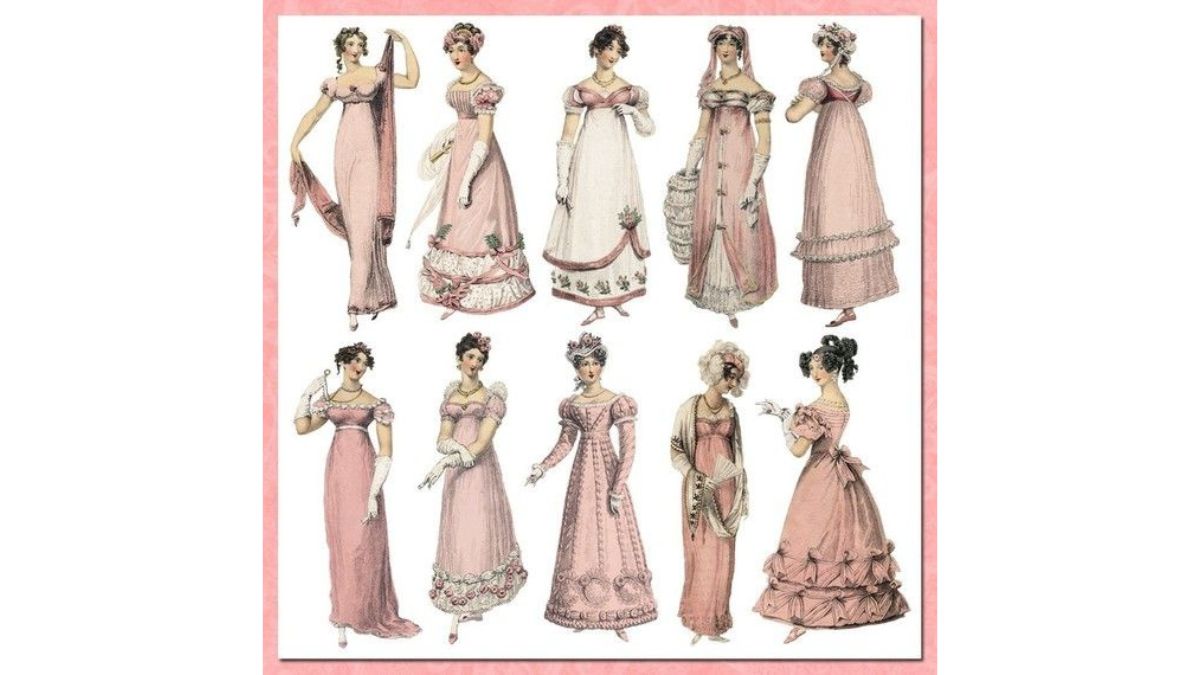
Regency era fashion centered on simplicity, proportion, and an emphasis on the natural form. For women, the most recognizable change was the high, empire waistline that sat just below the bust and produced a long, flowing silhouette. Dresses were lighter, often made from muslin, silk, or lightweight cotton, and decorated with minimal trims so that the fabric’s drape mattered more than heavy ornamentation. For men, tailcoats, waistcoats, high collars, and fitted trousers replaced breeches and powdered wigs. Clothes for both sexes borrowed motifs and lines from classical statues: straight drapes, gathered folds, and restrained decoration. The overall impression was one of elegance achieved through cut and proportion rather than dense decoration, and that aesthetic became known and remembered as Regency era fashion.
A closer look at women’s style
Women’s clothing during the Regency era prioritized a slender, elongated look. Dresses typically had high waistlines, short puffed or tight sleeves depending on the season, and skirts that fell softly to the ankle or mid-calf. Necklines could be square, rounded, or pointed, and were sometimes trimmed with a modest ruffle or narrow lace. Outerwear included lightweight pelisses and spencer jackets that mirrored the dress’s shape while providing warmth. Accessories such as reticules (small drawstring purses), gloves, and bonnets completed the outfit. Hairstyles were similarly influenced by classical sculpture, favoring short curls around the face, often with additional hair piled on top and sometimes adorned with ribbons or small feathers.
A closer look at men’s style
Men’s clothing shifted toward tailored, body-conscious garments that emphasized a narrow waist and broad shoulders. Tailcoats became standard for formal wear; they were cut to flare slightly at the hips and often worn with a waistcoat beneath. Trousers replaced breeches for everyday wear, and gave men a more leg-lengthening silhouette. Collars rose higher, requiring cravats or neckcloths to be intricately tied, which became a mark of skill and patience. Hats, especially top hats and bicornes earlier in the period, were important finishing touches. Shoes were generally low-heeled and practical, and for daywear, leather boots were common.
Social and cultural forces behind the style
Regency era fashion did not evolve in a vacuum. Political upheaval, war, travel, and changing philosophies all influenced clothing choices. The French Revolution and the Napoleonic Wars reshaped notions of luxury and display: ostentation could be dangerous or unfashionable, and restraint often signaled taste, moral seriousness, or political sympathy. At the same time, increased travel, archaeological discoveries, and the popularity of neoclassical art and literature made ancient Greece and Rome fashionable sources of inspiration. Women who embraced the classical look presented themselves as enlightened and cultured. Additionally, technological changes in textile production and the expansion of trade routes increased access to lighter fabrics and new dyes, enabling the soft, flowing garments that defined the period.
Materials, construction, and color
Fabric choice was crucial to achieving the signature Regency look. Lightweight muslins, fine cottons, silk muslins, and gauzes allowed dresses to drape and move like classical draperies. For daytime wear, white or pastel shades were common because they echoed the marble simplicity admired in classical sculpture. Evening gowns permitted richer colors and subtle ornamentation, but even then, the cut was paramount. For men, wool for coats and trousers, linen for shirts, and silk for waistcoats created an elegant but practical ensemble. Tailoring emphasized seams and cut to create a slim, tailored effect rather than relying on padding or stiff understructures. Buttons, embroidery, and trims were used sparingly, often as small accents rather than dominating elements.
How class and occasion affected dress
Clothing in the Regency era signaled social status and occasion. Daywear, eveningwear, informal country dress, and mourning clothes all followed distinct codes. Aristocratic and wealthy women could afford the finest fabrics and the latest cuts, while middle-class women often imitated the styles using more modest materials. For men, differences in tailoring, fabric quality, and the complexity of a cravat or waistcoat often indicated social standing. Practicality also played a role: country clothing tended to be sturdier, with shorter hems and fewer delicate trims to withstand outdoor life, whereas town dress prioritized fashion and neatness.
Table: Typical garments for men and women during the Regency era
| For Women | For Men |
|---|---|
| High-waisted gown (empire silhouette) | Tailcoat with broad lapels |
| Lightweight muslin or silk fabric | Fitted waistcoat and cravat |
| Short puffed or fitted sleeves | Trousers or pantaloons |
| Pelisse or spencer jacket for outerwear | High-collared shirt |
| Bonnet, gloves, reticule | Top hat or bicorne, leather boots |
| Delicate sandals or slippers for evening | Low-heeled shoes for daywear |
This table shows how garments for each sex balanced elegance and practicality. Notice that the same principles—clean lines, careful cut, and considered accessories—governed both men’s and women’s ensembles.
Regional variations and influence abroad
While many of the core features of Regency era fashion were pan-European, regional variations existed. In Britain, for example, the understated neoclassical look became closely associated with social propriety and conservative taste. France, particularly Paris, remained influential in shaping details, trim, and the latest innovations. Overseas, the British Empire and extensive trade networks spread styles across continents, and local adaptations often blended Regency silhouettes with regional fabrics or ornamentation. The result was a rich, diverse set of practices that shared a common aesthetic but varied in detail.
The role of portraiture, prints, and literature
The spread of fashion in the Regency era depended heavily on images and texts. Portraits captured the newest cuts and popular accessories, engravings and fashion plates circulated trends more widely, and novels—such as those written by writers of the time—often included detailed descriptions of dress. These media allowed women and men across social classes to mimic trends and identify with fashionable ideals. The influence of writers and artists meant that fashion could reflect broader cultural narratives, and that clothing choices often carried symbolic meanings related to taste, education, and moral standing.
Everyday life: dressing, laundering, and care
Clothing care was an important household task. Lightweight muslin could be delicate and required gentle laundering, often by hand. Ironing and starching were not yet mechanized as in later centuries, so maintaining a crisp appearance demanded time and skill. Many garments were layered and used accessories, so getting dressed could be time-consuming, particularly for women with elaborate evening wear. Tailors, dressmakers, and milliners played central roles in helping clients construct and maintain their wardrobes, and the labor behind fashion—both domestic and professional—was substantial.
Fashion’s legacy and modern revivals
The influence of Regency era fashion persists in modern times. Designers periodically revisit the high-waisted silhouette, classical drapery, and delicate fabrics, translating them into contemporary gowns and bridal wear. The period also continues to fascinate in popular culture, through film and television adaptations of Regency novels, which often reintroduce the silhouette to new audiences. Modern enthusiasts sometimes recreate period garments for historical reenactments or themed events, valuing the elegance and simplicity that marked the era. The legacy is not simply nostalgia; it’s a proof that well-executed proportion and restraint remain powerful tools in design.
Important trends summarized
Key trends of Regency era fashion included an emphasis on the natural line of the body, the use of lightweight fabrics like muslin and silk, a move toward simpler, classically inspired ornamentation, and the rise of tailored garments for men. Accessories were subtle but essential: gloves, hats, simple jewelry, and small purses completed outfits without overwhelming them. Color palettes for daytime tended to be muted, while evening attire allowed for deeper hues and richer materials. Across these trends, the core idea was that elegance came from proportion and quality rather than heavy decoration.
Conclusion
Regency era fashion marked a clear and influential shift toward elegance through simplicity. Its hallmarks—high waistlines, lightweight fabrics, classical references, and well-considered tailoring—reflected broader cultural currents and practical realities of the time. Whether viewed through portraits, literature, or surviving garments, the style remains admired for its restraint and timeless proportions. For modern readers and designers, the period offers lessons about the power of line, material, and subtlety, and a reminder that fashion can communicate values as much as taste. Embracing elements of Regency era fashion today allows for a thoughtful dialogue between past and present, honoring a tradition that prized harmony and grace over excess.
FAQs
What is Regency era fashion?
Regency era fashion refers to the clothing styles popular in the late 18th and early 19th centuries, characterized by high-waisted dresses for women, tailored coats and trousers for men, lightweight fabrics, and strong neoclassical influences.
What is the empire waist and why was it popular?
The empire waist is a high waistline positioned just below the bust, creating a long, flowing skirt. It was popular because it echoed classical aesthetics and offered a lighter, more natural silhouette compared with the heavily structured fashions that preceded it.
What is the typical fabric used in Regency dresses?
Typical fabrics included muslin, silk muslin, lightweight cottons, and gauze, chosen for their ability to drape gracefully and reflect the neoclassical ideal of simplicity.
What is the difference between Regency and Victorian fashion?
Regency fashion emphasized lightness, classical inspiration, and the empire silhouette, while Victorian fashion, which followed, moved toward more structured, heavier garments, fuller skirts supported by crinolines, and denser ornamentation.
What is a pelisse and how was it used?
A pelisse was a lightweight outer garment similar to a long jacket or coat, often cut to follow the dress’s empire line. It was used for warmth and as a fashionable layer for day or evening wear.
What is a reticule and why was it necessary?
A reticule was a small drawstring purse worn by women during the Regency era. As dresses became lighter and had fewer pockets, women needed a practical accessory to carry personal items, and the reticule provided that function while complementing the outfit.