


As electric bikes continue to become more segmented, lightweight electric bikes have gradually developed a relatively clear definition. These models are not built around higher power output or more complex configurations. Instead, their design choices focus on weight control, simplified structures, and everyday usability.
By common industry standards, traditional electric bikes typically weigh between 25 and 34 kg (about 55–75 lbs), largely due to high-capacity batteries, reinforced frames, and multi-functional components. In contrast, lightweight electric bikes usually keep total weight within the 16–23 kg (about 35–50 lbs) range. Through more compact drive systems and simplified structural design, they aim for a positioning that is “sufficient but not excessive.”
This weight range is not about pursuing extreme lightness. Rather, it represents a balanced choice shaped by real needs in urban commuting, short-distance travel, and high-frequency daily use.

How they differ from traditional electric bikes in design approach
Compared with traditional electric bikes, the differences in lightweight models go beyond specifications and are more clearly reflected in overall design philosophy. Traditional models often need to accommodate higher payloads, longer range, or more complex terrain, which leads to a more comprehensive approach in frame strength, battery capacity, and system configuration.
Lightweight models, by contrast, place greater emphasis on clearly defined use scenarios. They typically assume riding conditions centered on city roads, relatively fixed distances, and roles focused on commuting, daily travel, or short trips. This assumption shifts design priorities from “performance limits” to “efficiency in use,” reducing unnecessary structural additions and making overall handling feel closer to that of a traditional bicycle.
For first-time electric bike users, these differences are often reflected in more immediate riding feedback, a lower psychological barrier, and an experience that is easier to integrate into existing riding habits.
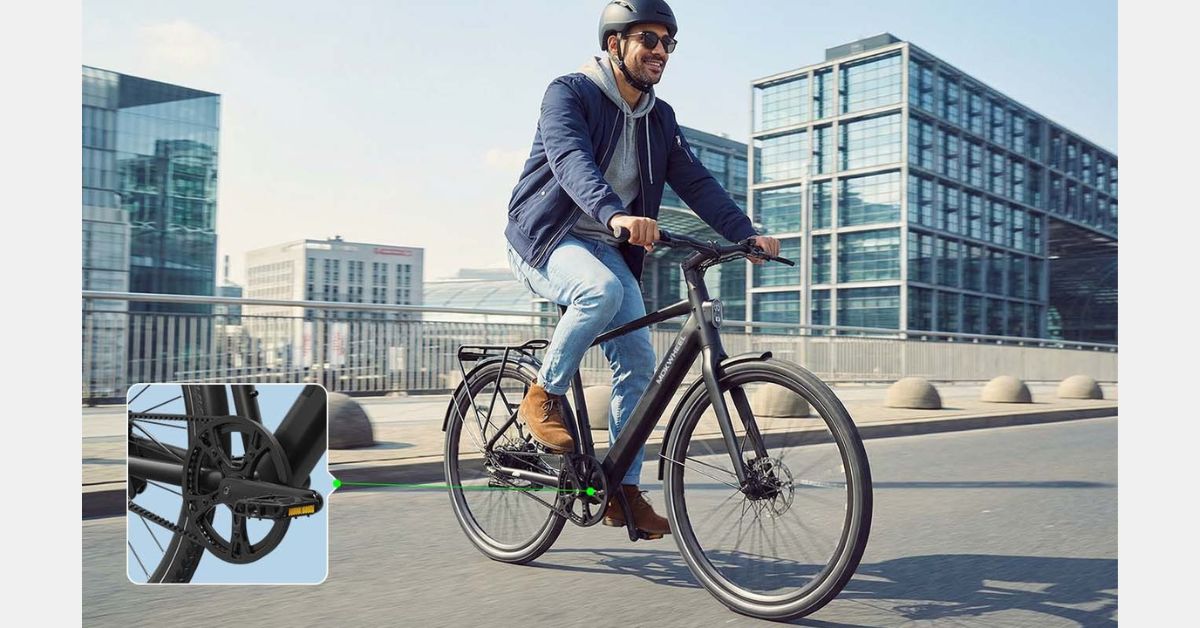
Rebalancing weight, range, and usage logic
While keeping weight under effective control, lightweight electric bikes do not simply sacrifice core usability. Instead, they match range and power output more precisely to real needs. Most lightweight models offer a single-charge range of about 40–70 km (approximately 25–45 miles), which is enough to cover urban commuting, daily round trips, and switching between multiple use scenarios.
This range design is not about chasing the “longest possible distance,” but about supporting a usage logic built around frequency, stability, and predictability. In real life, many riders have relatively fixed daily distances and care more about controllable battery consumption and a stable charging rhythm than about occasional maximum-range performance.
It’s often after gaining a basic understanding of weight and range that some users gradually move from “learning about types” to a more practical comparison stage—looking at configuration differences between models while also browsing ebike for sale information, trying to figure out which options best match their everyday travel rhythm.
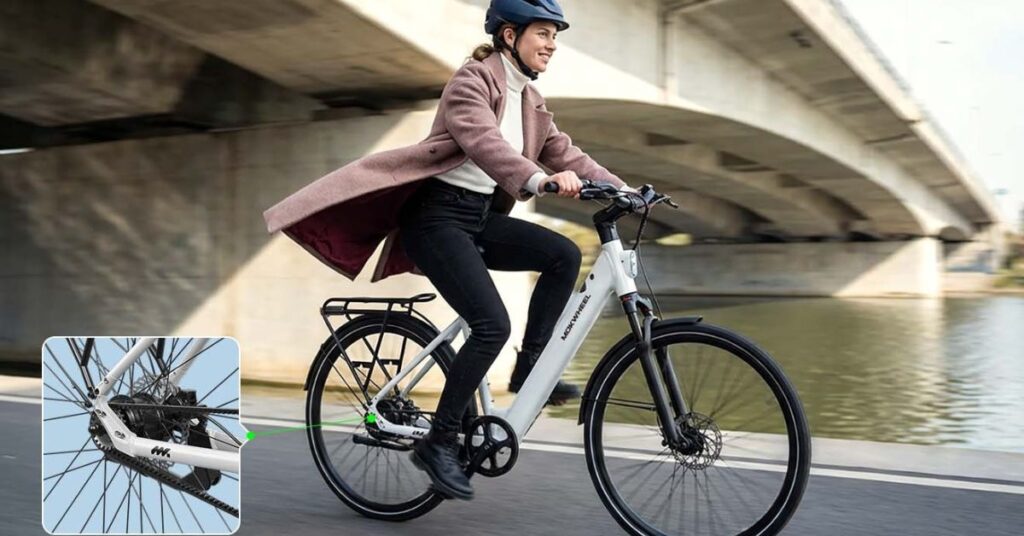
Maintenance approach and long-term use considerations for lightweight electric bikes
Because of their relatively simplified structure, lightweight electric bikes generally require less complex day-to-day maintenance than high-power or multi-structure models. Routine upkeep usually focuses on periodic checks of the braking system, drivetrain, and battery condition, without the need to frequently adjust complex suspension components or high-load parts.
This maintenance logic is especially important for users who want to rely on an electric bike over the long term. Fewer structural layers mean more straightforward issue diagnosis and lower time costs for upkeep, making the bike easier to integrate into daily life rather than turning it into a piece of equipment that constantly demands attention.
Real-world exploration of lightweight design in the market
As user needs become more clearly defined, the market has already seen electric bikes that are systematically designed around a lightweight approach. For example, in its lightweight lineup, Mokwheel has tried to strike a balance between overall weight, range performance, and everyday practicality, allowing these models to cover typical scenarios such as urban commuting and high-frequency daily travel.
The emergence of these products does not mean replacing traditional models, but rather offering a complementary option tailored to specific lifestyles. It reflects how the electric bike market is shifting from “feature stacking” toward a stage where usage logic becomes clearer and more focused.
When lightweight becomes a long-term choice
From a broader perspective, the development of lightweight electric bikes is essentially a renewed understanding of real urban riding needs. By rebalancing weight, structure, and ways of use, this category provides more diverse options for people with different life rhythms, and helps define a clearer, more concrete role for this mode of transportation in everyday life.