

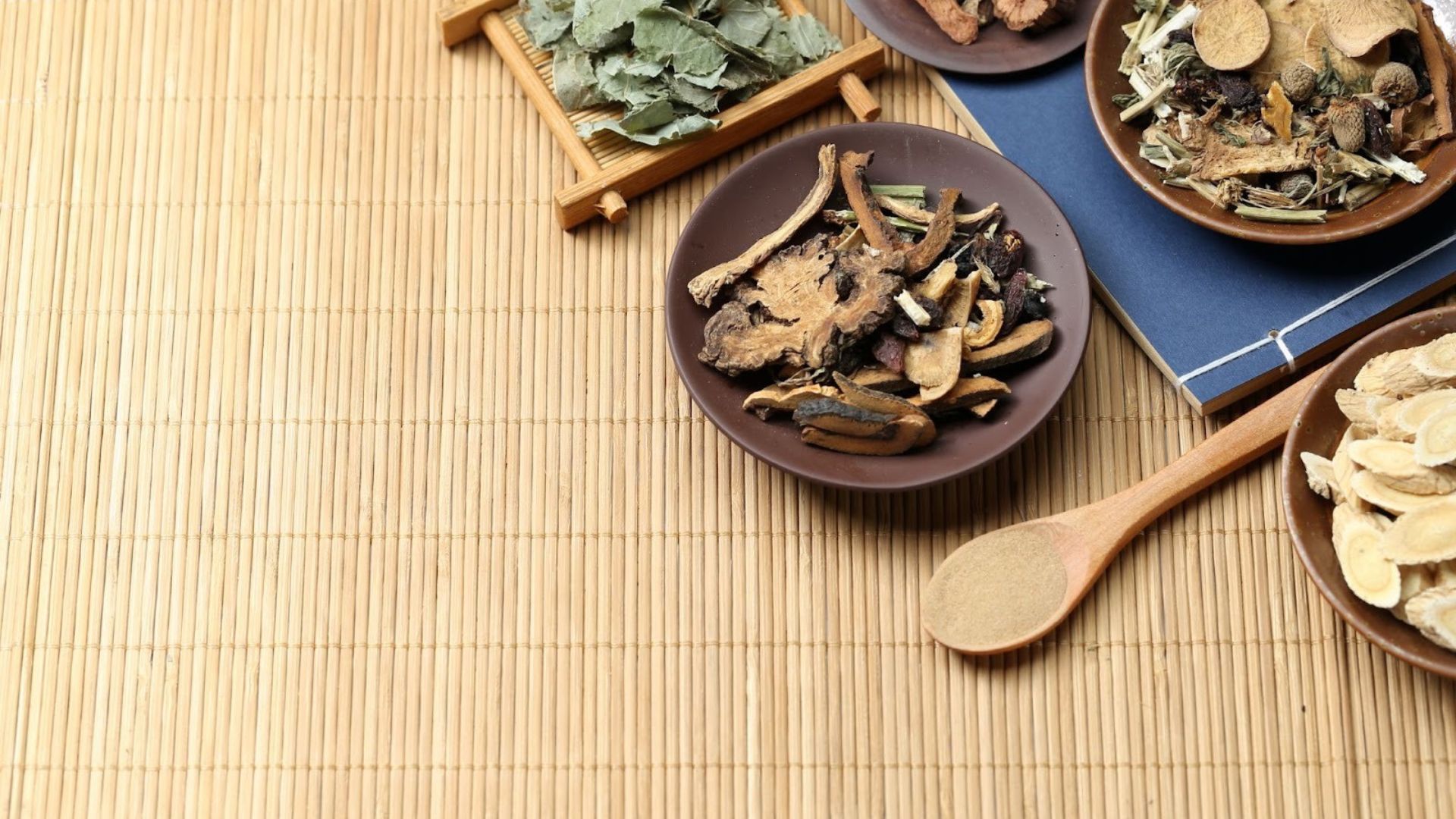
Chinese Herbal Medicine has been a cornerstone of traditional Chinese medicine for thousands of years. Its focus is not simply on treating symptoms but on harmonizing the body’s energy and restoring internal equilibrium. Unlike conventional approaches that often rely on single active ingredients, Chinese herbal formulas are carefully crafted blends, where each herb plays a specific role within a larger therapeutic design.
The art of formulating these remedies considers the qualities, energetics, and interactions of multiple herbs. Practitioners often design custom combinations to support individual health concerns, creating a personalized path toward vitality.
The Principles Behind Formulas
In Chinese herbal medicine, several guiding principles shape the way remedies are composed:
- Synergy over singularity: Herbs are combined to amplify beneficial effects and counterbalance any potential side effects.
- Energetic properties: Each herb has a temperature (cooling, warming, or neutral), taste (bitter, sweet, sour, etc.), and target organ system. These factors influence how the body responds.
- Holistic targeting: Remedies aim to address both observable symptoms and the underlying imbalances that cause them.
This meticulous attention to formulation ensures that the remedy is greater than the sum of its parts. Even minor adjustments in ingredients or proportions can shift a formula’s effect, highlighting the importance of experienced guidance.
Common Applications
Customized herbal remedies are often used to support a variety of health needs. Some examples include:
- Digestive irregularities
- Stress and fatigue management
- Immune system support
- Women’s health concerns
- Chronic pain or inflammation
In practice, these formulas often work in tandem with acupuncture, enhancing the body’s natural healing processes and producing longer lasting results. The combination allows for a multi-layered approach where both immediate relief and sustained wellness are possible.
The Modern Relevance of Ancient Knowledge
Despite centuries of use, Chinese herbal medicine continues to adapt in contemporary wellness practices. Increasingly, individuals seek these remedies as complementary support alongside modern healthcare. The focus on individualized treatment ensures that formulas can be adjusted according to lifestyle, seasonal changes, and evolving health needs.
Many practitioners emphasize that consistent use under professional supervision yields the best outcomes. The intricate balance of herbs, their energetics, and their synergistic effects requires precise guidance, ensuring safety and efficacy.
Embracing the Subtle Depths
At its core, Chinese herbal medicine exemplifies a thoughtful approach to health, one that looks past quick fixes and embraces the body’s innate ability to selfregulate. Whether addressing digestive discomfort, fatigue, or chronic conditions, these herbal strategies provide a versatile toolkit for those seeking enduring wellness. By appreciating the relationships between herbs and the body, practitioners can craft remedies that resonate on both physical and energetic levels.
For anyone curious about a more nuanced approach to wellbeing, exploring Chinese herbal medicine offers insight into centuries of refined knowledge and personalized care.