Key Takeaways
- Learn what common water contaminants are present and how they can impact your health.
- Test your home’s water regularly for peace of mind and to detect problems early.
- Select a water filtration system tailored to your specific needs for best results.
- Consistent maintenance keeps treatment systems working efficiently.
- Smart household practices further decrease harmful chemical exposure.
Safeguarding your family’s health starts with ensuring your drinking water is as clean as possible. Even though most public water systems follow safety guidelines, there are still simple ways to further minimize contaminants at home. Residents in Gaithersburg and beyond can take proactive measures by exploring solutions such as water filtration and softener systems in Gaithersburg, which deliver added peace of mind. By learning about common pollutants, testing regularly, and maintaining treatment systems, homeowners can dramatically cut their exposure to potentially harmful chemicals.
Pollutants can find their way into tap water through a range of physical, chemical, and biological avenues. Some are introduced from old pipes, others result from agricultural runoff or industrial processes. Even when levels meet basic regulatory standards, cumulative exposure over time can be a concern for vulnerable people, including children and the elderly. That makes being vigilant about water safety a wise investment for your household’s well-being. Below are practical tips to help you take charge of your water quality and reduce chemical exposure at home.
Common Water Contaminants and Their Health Impacts
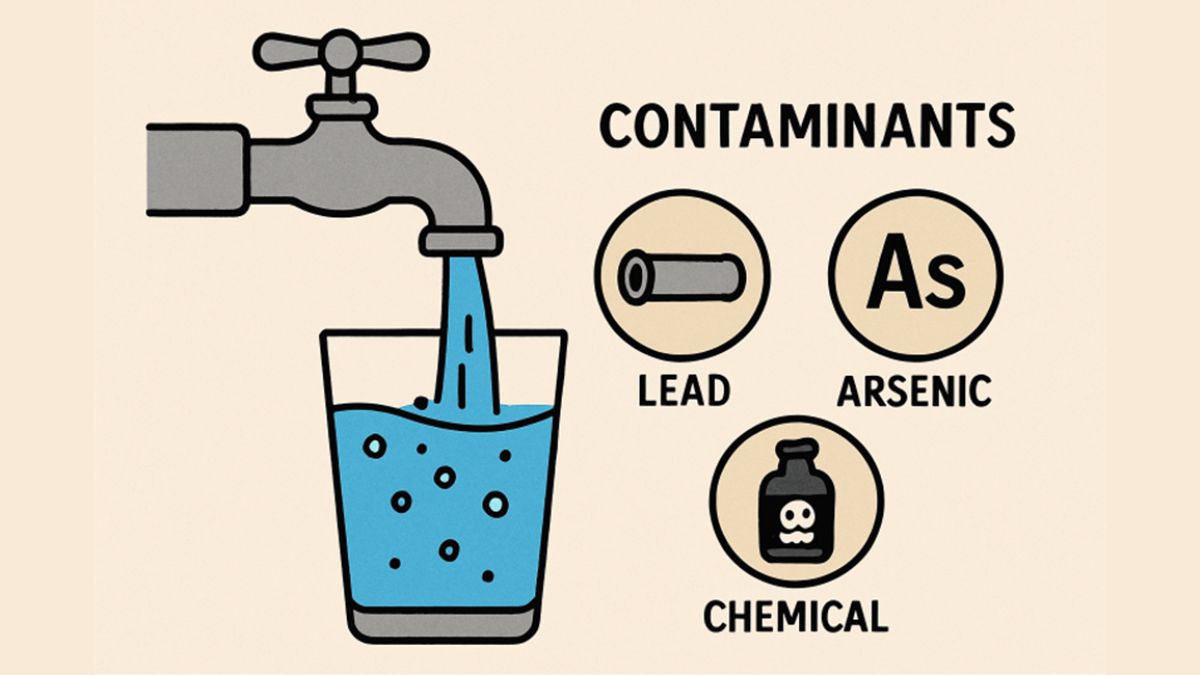
Not all water contaminants are obvious. Some, like minerals, can affect taste or staining, but others, such as heavy metals and industrial chemicals, may go unnoticed until health symptoms emerge. The top contaminants homeowners should be aware of include:
- Arsenic: Frequently present in groundwater and well water. Over time, it can contribute to skin lesions, developmental effects, cardiovascular disease, and heightened risks of various cancers.
- Lead: Can leach into water from aging pipes or plumbing fixtures. It is especially harmful to young children (affecting mental and physical development), and is also associated with kidney and cardiovascular issues in adults.
- Per- and Polyfluoroalkyl Substances (PFAS): These synthetic chemicals are found in some household goods and manufacturing processes. Long-term exposure is linked to immune system suppression, thyroid disruption, cancer, and elevated cholesterol levels.
Understanding these threats is the first step in creating a healthier home environment. The U.S. Environmental Protection Agency (EPA) and resources like the EPA’s Ground Water and Drinking Water page offer detailed information on contaminant types and their effects.
Testing Your Home’s Water Supply
Testing is crucial for identifying hidden issues before they impact your health. There are user-friendly home testing kits for quick screening, but for the most thorough analysis, certified laboratories provide the most reliable results. The EPA recommends that private well owners test annually for bacteria, nitrates, and any specific contaminants common to their area. Public water users can review local utility reports, but may still benefit from periodic independent testing for contaminants like lead that can enter water after it leaves the treatment plant.
Choosing the Right Water Filtration System
Filtration is rarely one-size-fits-all. Install a system designed to target the specific contaminants detected in your testing. Popular system types include:
- Activated Carbon Filters: Great for filtering chlorine, sediment, volatile organic compounds (VOCs), and certain pesticides. They also improve the taste and odor.
- Reverse Osmosis (RO): Removes a broad spectrum of impurities (including lead, arsenic, nitrates, PFAS) by forcing water through a semi-permeable membrane.
- Ion Exchange Units: Especially useful for softening water and pulling out heavy metals like lead and mercury.
Look for certification from organizations such as NSF International or the Water Quality Association to make sure the system is tested for the specific chemicals you are targeting.
Maintaining Your Water Treatment System
Even the best filtration system is only as effective as its upkeep. Key practices for ongoing performance include:
- Change or clean filters at intervals set by the manufacturer to avoid clogs and bacterial growth.
- Routinely disinfect the components if recommended in the instructions.
- Schedule an annual professional checkup to ensure the system is running optimally and to address any hidden maintenance needs.
Neglecting system care can lead not only to reduced filtration but also to potential health hazards from microbial buildup or accidental contaminant release back into your water.
Additional Household Practices to Reduce Chemical Exposure
Water treatment can go a long way, but household habits also play a significant part in reducing chemical contaminants. Consider adopting these strategies:
- Use Phosphate-Free Detergents: They help prevent excess nutrient pollution that can eventually find its way into local water supplies and cause environmental issues.
- Dispose of Household Chemicals Properly: Take unused cleaners, paints, and medications to a designated disposal facility instead of pouring them down the drain.
- Minimize Pesticide and Herbicide Use: Opt for natural alternatives or targeted application to reduce chemical runoff from your property.
Creating a routine for safely handling and disposing of chemicals, coupled with mindful product choices, reduces overall contaminant load and supports a healthier ecosystem in your community.
Staying Informed About Water Quality Regulations
Federal and local water standards evolve as new research and contaminants emerge. Keeping up with water utility reports and EPA guidelines empowers you to respond proactively should your area’s risks change. Check annual water quality reports (Consumer Confidence Reports) sent by your local provider, and utilize the latest safety updates at the official EPA Ground Water and Drinking Water page.
Conclusion
Reducing chemical exposure from household water is attainable with basic knowledge and a systematic approach. By understanding contaminants, testing regularly, installing an effective filtration system, and staying alert to new safety updates, you can protect your family’s health while promoting safer water for your entire neighborhood.