

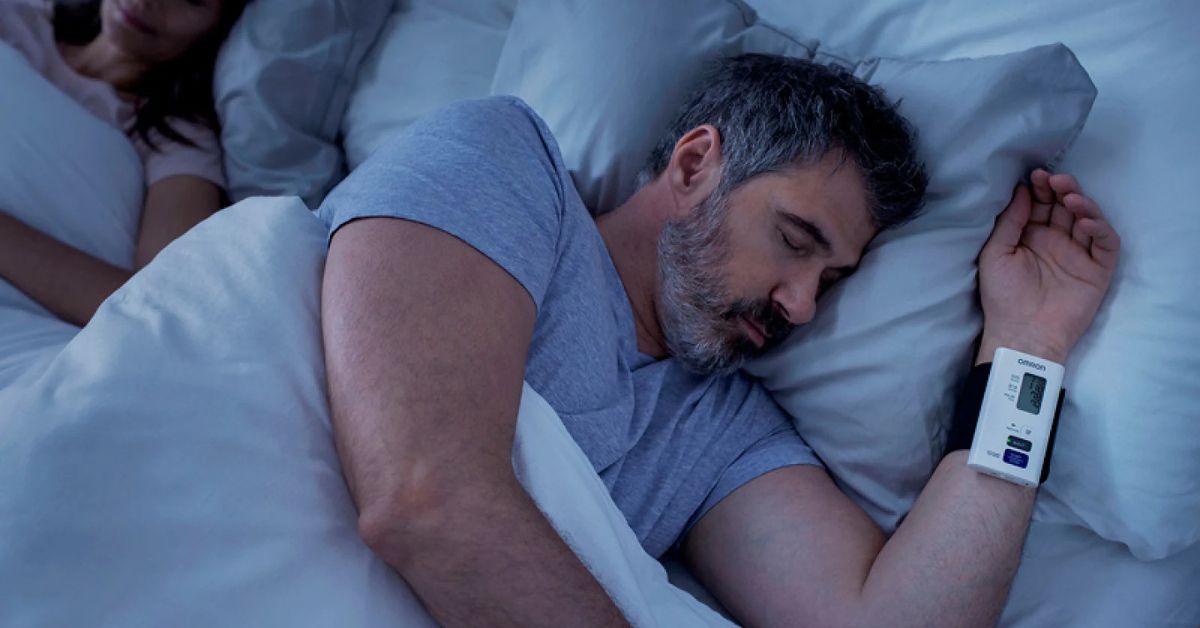
Quality sleep is essential for physical recovery, cognitive function and emotional wellbeing, particularly for older adults and people with limited mobility. At the same time, night hours present a higher risk of falls, unsupervised wandering and delayed assistance. The goal of modern assistive equipment is not constant interruption, but continuous awareness that operates quietly in the background. When monitoring is designed to be silent, responsive and physically unobtrusive, safety measures can function without altering the natural sleep environment.
Table of Contents
Quiet Bed-Exit Detection Through Pressure Sensing
Bed-exit awareness provides one of the most reliable forms of night-time supervision while preserving a calm bedroom setting. A sensor mat for bed use in fall and movement monitoring uses pressure-sensitive technology to detect weight shifts that indicate sitting, repositioning or standing. Because the alert is transmitted to a separate receiver, the sleeper is not exposed to sound or visual disturbance.
This method supports non-intrusive monitoring, allowing carers to respond only when assistance is required rather than conducting repeated physical checks. The room remains dark, quiet and familiar, which helps maintain uninterrupted rest.
Silent Alert Systems That Preserve Sleep Architecture
Sleep in later life is often lighter and more easily disrupted, making sudden noise or light particularly problematic. Monitoring systems that rely on remote signal transmission send notifications directly to a caregiver’s device, removing the need for in-room alarms.
This approach protects REM sleep and deeper sleep stages that are essential for healing and memory processing. By limiting alerts to meaningful events rather than every small movement, the system supports sleep hygiene and reduces night-time anxiety for both the individual and the carer.
Calibrated Sensitivity That Reduces False Alarms
Accurate monitoring depends on distinguishing normal movement from genuine bed exits. Equipment with adjustable sensitivity settings allows the detection threshold to be tailored to the user’s mobility level and sleep behaviour. This prevents unnecessary alerts that can fragment sleep and create alarm fatigue.
Correct positioning beneath the mattress or bedding also maintains pressure redistribution, ensuring that comfort and skin protection are not compromised. Monitoring becomes integrated into the sleep surface rather than an added layer that changes how the bed feels.
Passive Supervision That Supports Independence
Continuous physical observation can reduce a person’s sense of privacy and control, particularly in home settings. Passive monitoring systems allow natural movement while still providing immediate awareness when support is needed. This is a key component of effective falls prevention strategies, where early detection of a bed exit enables timely assistance without restricting mobility.
Maintaining independence at night contributes to emotional well-being and reinforces familiar routines, both of which are important for people managing reduced strength, balance issues or cognitive change.
Seamless Integration Into Care And Home Environments
Monitoring technology is most effective when it fits into established care routines without adding complexity. Wireless connectivity, low-voltage medical devices and simple reset functions enable consistent use across residential care and private homes.
Because the system operates in the background, the physical environment of the bedroom remains unchanged. This environmental stability is particularly beneficial for individuals who rely on routine and familiar surroundings to minimise confusion and restlessness during the night.
Restful Nights With Continuous Protection
Night-time monitoring that truly supports wellbeing is defined by its ability to remain unnoticed while still delivering precise movement detection. Through silent alerts, pressure-based sensing and carefully calibrated responsiveness, it is possible to reduce fall risk and provide timely assistance without interrupting restorative sleep for the person in bed or the carer supporting them.