
Key Takeaways
- Despite economic fluctuations, homeowners are actively pursuing renovations to adapt to changing lifestyles.
- Wellness-oriented features, nostalgic styles, and sustainable materials are stronger influences than ever before in residential design.
- Smart home technology and multifunctional layouts are reshaping how people interact with their living spaces.
Table of Contents
- Sustained Investment in Home Renovations
- Emphasis on Wellness and Nostalgic Designs
- Sustainability and Eco-Friendly Practices
- Technological Integration in Modern Homes
- Flexible and Multifunctional Living Spaces
- Rising Costs and Strategic Budgeting
- Aging Housing Stock and Renovation Demand
- Conclusion
Staying informed about the latest trends in residential construction and remodeling is key for both homeowners and industry professionals who wish to optimize property value and everyday comfort. As more families reconsider their living spaces amidst changing lifestyles and economic conditions, the importance of trusted industry partners like Snyder Construction has never been greater.
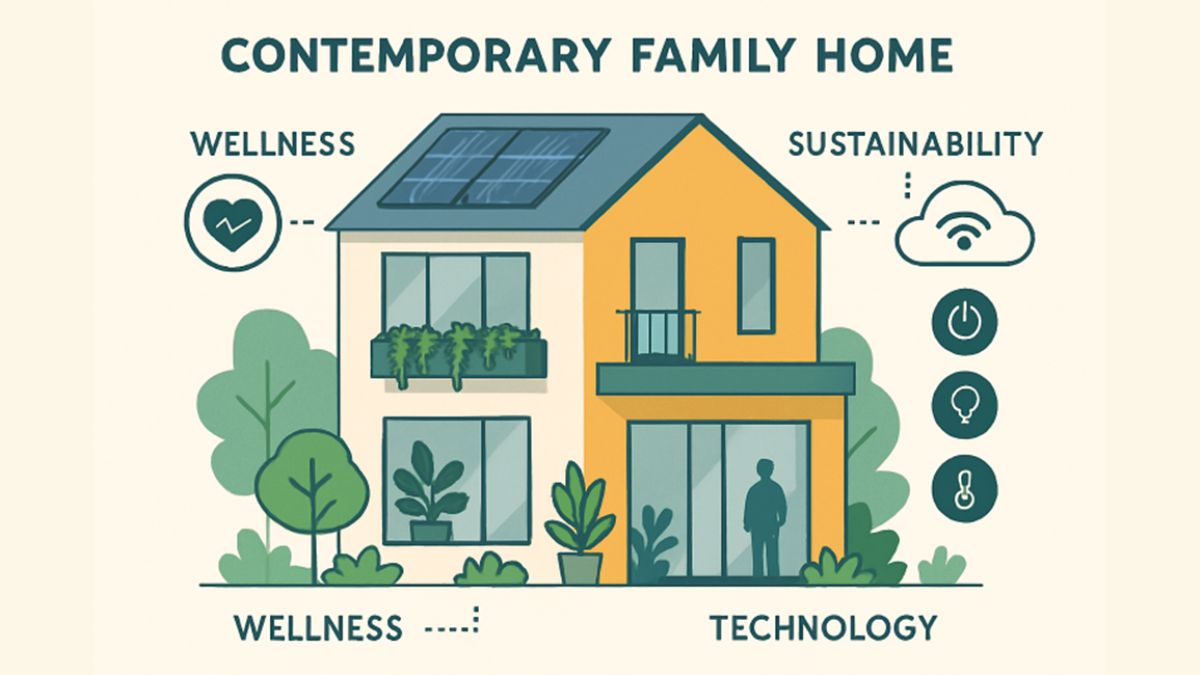
Consumers are seeking projects that do more than just enhance curb appeal. They are pursuing home transformations that prioritize wellness, introduce smart technology, and promote environmental responsibility. This focus is reshaping the construction and remodeling landscape, driving new possibilities in the way we design, build, and enjoy our homes, notes Canyon Lake Property Management.
In today’s residential market, investment decisions are not just dictated by practicality or aesthetics. Instead, they are influenced by a blend of well-being, sustainable choices, and adaptive spaces that cater to diverse lifestyles. This integrated approach is helping homeowners create more future-ready, resilient, and enjoyable living environments.
For those navigating these modern trends, aligning with knowledgeable professionals and staying current with evolving design movements ensures a home that meets both present-day needs and long-term goals.
Sustained Investment in Home Renovations
Despite significant economic uncertainties, American homeowners continue to invest in their properties. This commitment is evident in retail data: as of April 2025, sales of building materials and garden supplies increased by 0.8% from March and were 3.2% higher than the previous year. These figures far outpace overall retail growth, underscoring a clear priority for home enhancement even as economic conditions remain unpredictable.
Emphasis on Wellness and Nostalgic Designs
A defining trend for 2026 is the emphasis on wellness at home, a concept gaining traction quickly. Wellness features, ranging from dedicated meditation corners to biophilic design elements, are increasingly sought after. According to Zillow’s 2026 Home Trends Report, references to “wellness features” have risen by over 30% in real estate listings. Homeowners are also expressing renewed interest in nostalgic styles, returning to traditional and Art Deco influences that evoke comfort and originality. These throwback designs, noted by platforms like Houzz, blend the familiarity of the past with today’s functionality, creating a compelling vision for contemporary living.
Sustainability and Eco-Friendly Practices
Increased environmental awareness is shaping decision-making in residential construction and renovation. More homeowners are opting for green materials and design strategies that promote efficiency and long-term viability. Recent data show that 34% of home builders and 22% of remodelers in the U.S. classify most of their projects as “green,” reflecting a significant cultural shift. The preference for timeless, durable features not only enhances longevity but reduces waste. Over half of U.S. homeowners choose renovations with an environmental motive, whether that’s energy-saving appliances, recycled materials, or sustainable landscaping. Adopting eco-friendly remodeling practices can reduce operational costs and environmental impact, providing benefits for both current residents and future generations.
Technological Integration in Modern Homes
The rapid expansion of smart home technology is transforming the remodeling landscape. Integrated systems for thermostats, security, and energy monitoring are now considered foundational elements rather than luxuries. Families are prioritizing easy-to-use solutions that enhance safety, efficiency, and convenience while ensuring adaptability to future technological advances. Smart features such as voice-controlled lighting, app-based home management, and environmental sensors are among the most popular upgrades in new and remodeled homes.
Flexible and Multifunctional Living Spaces
Versatility has become a prominent value in home design, with many rooms performing double or even triple duty. The pandemic-era surge in remote work has illustrated the need for adaptable spaces that can serve as offices, gyms, guest rooms, or educational nooks, depending on the time of day or phase of life. Well-designed multifunctional spaces let homeowners make the most of existing square footage, reduce the need to relocate, and cater to visiting relatives or changing family structures with minimal disruption. For example, Murphy beds, modular partition walls, and hidden storage solutions help transition spaces between purposes effortlessly.
Rising Costs and Strategic Budgeting
The cost of home renovations remains high even as overall renovation spending is expected to dip by about 7% in 2024 compared to the previous year, falling to $449 billion according to Harvard University’s Joint Center for Housing Studies. With labor, materials, and financing costs climbing, homeowners are encouraged to seek the highest return on investment by focusing on upgrades that add significant value. Exterior improvements and energy-efficient features are recommended areas to prioritize in this uncertain market. Careful planning and cost management can maximize outcomes while staying within budget constraints.
Aging Housing Stock and Renovation Demand
Nearly half of homes in the United States were built before 1980, resulting in an aging national housing stock that requires consistent updates and repairs. This scenario provides ample opportunity for professionals to address everything from outdated wiring to inefficient insulation. According to projections from Harvard’s Joint Center for Housing Studies, renovation spending will grow steadily, reaching $526 billion by early 2026, though it may be susceptible to shifts in economic stability or housing demand cycles. Sustaining and upgrading these older properties is critical not only for market value but also for residential safety and efficiency.
Conclusion
Modern trends in residential building and remodeling revolve around wellness, nostalgia, sustainability, technology, and adaptability. By staying aligned with these movements and working alongside experienced professionals, homeowners can enjoy spaces that reflect both contemporary values and practical functionality. Understanding market trends, strategic planning, and focusing on upgrades that add real value will ensure homes remain comfortable, efficient, and appealing for years to come.