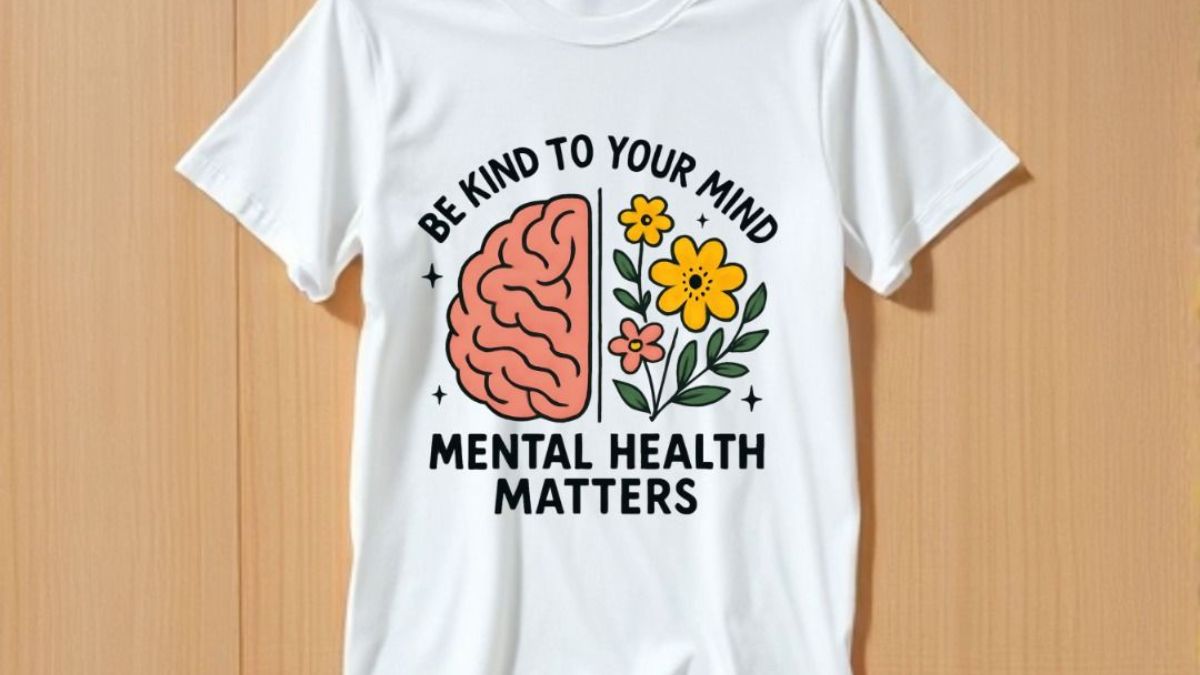
Clothing has always done more than cover our bodies; it communicates values, invites conversations, and can even create small acts of change. The phrase “mental health matters” on a shirt is not just a fashion statement — it is a gentle public reminder that struggling is human, support matters, and stigma can be softened by everyday interactions. A mental health matters shirt can be that nudge: worn to express solidarity, to start a conversation with someone who might be keeping their thoughts to themselves, or to make a personal commitment to care for one’s own well-being. In this article, I will explore why this simple garment has power, how to choose and style one, how it can be used responsibly, and practical ways to pair advocacy with action so your words on fabric translate into real-world support.
Table of Contents
Why a mental health matters shirt matters
A shirt with a message can do three important things at once. First, it increases visibility. When someone sees the words “mental health matters” they receive a public cue that mental wellness is part of normal life and worthy of conversation. Second, it reduces isolation. For people quietly struggling, spotting a supportive message can make them feel less alone in the moment. Third, it prompts action. Seeing a message often leads to questions, and questions can lead to conversations that reveal needs, offer resources, or simply provide companionship. The effect is subtle but real: over time, small repeated reminders in public spaces — on shirts, posters, wristbands, or tote bags — chip away at the silence and shame that has historically surrounded emotional and mental struggles.
The psychology behind messages on clothing
Humans are wired to notice signals. Words and symbols are shorthand that allow us to connect quickly with shared values. When you wear a mental health matters shirt, you are signaling that you are someone who understands or wants to understand. That signal can lower the threshold for a stranger or a friend to reach out. From a behavioral perspective, seeing supportive messages repeatedly helps normalize the idea that seeking help is acceptable. Social proof works here: if others display support publicly, it feels safer to acknowledge vulnerability. On a personal level, wearing the shirt can also remind the wearer to practice self-care. The message acts as a small cognitive cue: each glance in a mirror or reflection offers a moment to check in with oneself.
Choosing the right mental health matters shirt
Not all message shirts are created equal. Material matters because comfort affects whether you will wear the item regularly; a breathable cotton or cotton-blend is often best for everyday wear. Fit matters because a shirt that feels good helps the wearer feel confident and consistent in wearing it. Design matters because subtlety versus boldness sends different social signals: a small embroidered phrase over the chest might feel intimate and conversation-ready, while a large block print may be designed to be seen from a distance and can act as a clear banner of support at events or rallies. Ethically, it matters where and how the product is made. Choosing shirts produced by brands that pay living wages and use environmentally conscious materials aligns the advocacy with fair labor practices, ensuring the message of compassion extends to those who make the garment.
Practical styling tips
Styling a mental health matters shirt for different occasions is simple and effective. For a relaxed look, pair the shirt with jeans and a light jacket, tucking in just the front to keep it casual and approachable. For a workplace-appropriate outfit, choose a neutral-colored shirt and layer it under a blazer; the message can peek through in a way that sparks gentle curiosity without overpowering a professional setting. At events or fundraisers, wear the shirt prominently and consider pairing it with a name badge or a small button that lists a helpline or resource; combining message and resource is a powerful way to convert awareness into direct support.
How to use the shirt responsibly — words into action
Wearing a mental health matters shirt comes with an opportunity to back words with deeds. Responsibility starts with being informed. If someone approaches you after seeing the shirt and confides in you, it helps to know basic supportive responses: listen without judgment, validate their feelings, and, if appropriate, suggest professional resources. It is not necessary to be a therapist; providing empathetic presence can be deeply helpful. Action also means supporting organizations that provide direct services. If your shirt was purchased from or benefits a nonprofit, learn what that organization does and share that information when asked. Finally, consider combining visible advocacy with private actions: donate time, volunteer, or participate in local awareness events. The shirt becomes part of a larger practice rather than only a symbol.
Impact stories — when a shirt starts a conversation
Real people report simple moments that mattered because of a supportive message on clothing. One person described being in a long, silent commute when a stranger read their shirt and asked if they were okay. That brief exchange led to a long conversation and later to a connection that helped the stranger through a difficult time. Another account came from a teacher who wore a mental health matters shirt on casual day; several students commented and later confided that the visible message made it easier for them to ask about counseling resources. These stories highlight how visibility, when paired with presence and readiness to listen, can create meaningful change.
Materials, messaging, and sustainability — a practical comparison
Below is a simple table that compares common shirt choices and their benefits, helping you choose a product that matches your values and needs.
| Shirt Type | Comfort & Durability | Message Visibility | Sustainability & Ethics |
|---|---|---|---|
| 100% Cotton Tee | High comfort, good durability with care | Moderate; soft prints last longer | Varies; organic cotton is best |
| Cotton-Poly Blend | Durable, wrinkle-resistant | High; holds print well | Less breathable, but longer-lasting |
| Organic/Bamboo Fabric | Very soft, eco-friendly | Moderate; often used in subtle prints | High; lower environmental impact |
| Recycled Fabric | Durable, modern feel | High; suitable for bold designs | High; reduces waste |
| Embroidered Polo | Comfortable, professional | Low to moderate; subtle and classy | Depends on brand labor practices |
This table helps you consider comfort, how visible you want the message to be, and how much you prioritize environmental and ethical manufacturing. If your goal is everyday advocacy with a focus on sustainability, a recycled fabric or organic option paired with a subtle print may be ideal.
How to talk about your shirt without overshadowing the message
When someone compliments your shirt or asks what it means, you can respond in ways that keep the focus on support and education. An effective response might explain briefly why you care, such as: “I wear it because mental health is part of everyone’s life; we need more compassion and open conversation.” If you are representing an organization, mention the group and how people can find resources. Avoid turning the exchange into self-promotion. A simple, honest reply invites empathy and often opens space for deeper conversation if the other person wants it.
Wearing the message beyond the shirt
The idea of “mental health matters” extends beyond apparel. You can integrate the slogan into social media bios, profile pictures, tote bags, and community notices. Use the phrase to remind yourself to act locally: check on neighbors, support colleagues with flexible schedules, or advocate for mental health days at work or school. Combine visibility with accessible resource lists; for instance, printing local helpline numbers on event flyers or social media posts ensures that the message is not only inspiring but also actionable.
Closing — fashion as a gentle force for good
A mental health matters shirt is more than fabric and ink; it is a portable, wearable reminder that compassion is communal. When chosen thoughtfully and worn with responsibility, the shirt can open conversations, reduce stigma, and lead to practical help for people who need it. Whether you buy one to support a cause, to start personal dialogues, or to commit to your own well-being, remember that the most meaningful impact comes when visibility is matched with presence. The shirt can be a conversation starter, but the follow-through — listening, learning, and acting — is where lasting change happens. Wear the message with humility and care, and let it guide small actions that, over time, help make mental health matters not just a slogan on fabric, but a lived community value.
Frequently Asked Questions
What does the phrase on the shirt mean?
The phrase “mental health matters” is a direct reminder that mental well-being is as important as physical health. It encourages recognition, support, and the reduction of stigma.
How should I respond if someone confides in me because of my shirt?
Listen with attention, avoid judgmental comments, acknowledge their feelings, and suggest they consider professional help if needed. If there is imminent danger, contact emergency services or reach out to crisis resources immediately.
Can wearing a shirt actually change stigma?
Yes, small acts of visibility influence social norms. Repeated exposure to supportive messages helps normalize help-seeking and opens opportunities for empathetic conversations, which gradually shifts cultural attitudes.
Is it appropriate to wear the shirt to work or school?
Often yes, but consider context and dress codes. A subtle version can be very effective in professional settings, and wearing it with intention shows you support colleagues while respecting workplace norms.
Where can I find ethically made shirts?
Look for brands that disclose labor practices, use organic or recycled materials, and provide transparent information about supply chains. Many small nonprofit shops or social enterprises offer shirts where proceeds support mental health services.