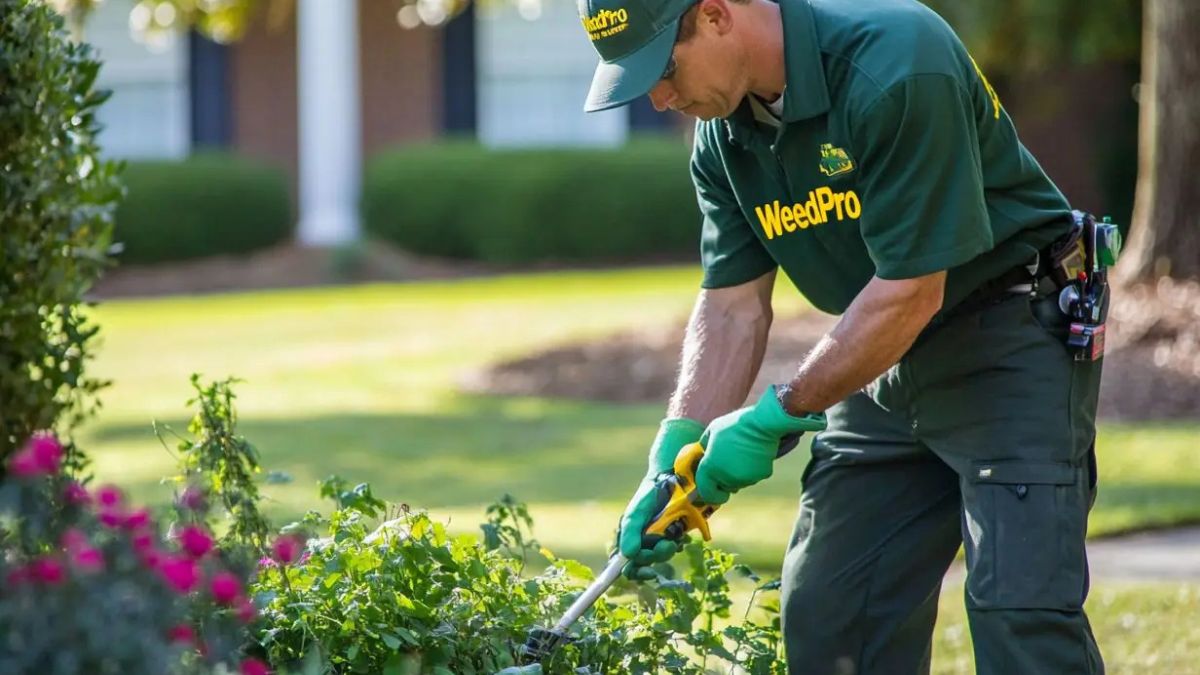
Maintaining a lush, green lawn in Atlanta presents a unique set of challenges. Known for its sweltering summers and unpredictable weather shifts, “Hotlanta” can be tough on turfgrass. Whether you are a new homeowner or just looking to revamp your current yard, understanding the local climate and soil conditions is essential says Acworth Property Management.
Effective lawn care in Atlanta, GA, isn’t just about mowing on weekends. It requires a strategic approach that changes with the seasons. From choosing the right grass type to mastering irrigation schedules, this guide covers everything you need to know to keep your yard the envy of the neighborhood.
Understanding Atlanta’s Climate and Soil
Before diving into maintenance routines, it is crucial to understand what you are working with. Atlanta falls into USDA Plant Hardiness Zone 8a, which means summers are long and hot, while winters are relatively mild but can occasionally dip below freezing. This transitional climate allows for both warm-season and some cool-season grasses, though warm-season varieties typically thrive best.
The Georgia Red Clay
If you have ever dug a hole in your backyard, you have likely encountered Atlanta’s famous red clay. This soil is dense, rich in iron, and holds water well, but it compacts easily. Compaction makes it difficult for grass roots to penetrate deep into the soil and for water to drain effectively.
To combat this, regular aeration is a non-negotiable part of lawn care in Atlanta, GA. Aerating—punching small holes in the soil—allows air, water, and nutrients to reach the roots, breaking up that tough clay surface.
Choosing the Best Grass for Atlanta Lawns
Selecting the right turf is half the battle. Because of the heat, warm-season grasses are the most popular choice for Atlanta homeowners.
Bermuda Grass
Bermuda grass is the king of Atlanta lawns. It loves the heat, is drought-tolerant, and can withstand heavy foot traffic, making it perfect for families with kids or pets. It does require full sun; however, it will struggle in shady areas under large oak trees.
Zoysia Grass
Zoysia is another excellent warm-season option. It creates a dense, carpet-like lawn that chokes out weeds effectively. It is slightly more shade-tolerant than Bermuda but still prefers plenty of sunlight. It is also known for being a bit more cold-tolerant, staying green longer into the fall.
St. Augustine Grass
If your yard is shady, St. Augustine might be your best bet. It has broad blades and thrives in heat, but requires more water than Bermuda or Zoysia. It is less cold-hardy, so a harsh winter can sometimes damage it.
Fescue (Cool-Season Option)
Tall Fescue is the primary cool-season grass used in Atlanta, often for lawns with significant shade where Bermuda won’t grow. The challenge with Fescue is the summer heat; it often goes dormant or struggles in July and August, and requires overseeding every fall to stay thick.
Seasonal Lawn Care Schedule for Atlanta
A great lawn requires year-round attention. Here is a breakdown of what you should be doing each season.
Spring: The Wake-Up Call
As temperatures rise in March and April, your warm-season grass will start to come out of dormancy.
- Scalping: For Bermuda and Zoysia lawns, mow low to remove dead winter grass and allow the sun to warm the soil.
- Pre-emergent: Apply pre-emergent herbicides in early March to prevent summer weeds like crabgrass from sprouting.
- Fertilization: Wait until the grass is fully green (usually May) to apply nitrogen-rich fertilizer. Fertilizing too early can encourage weed growth over grass growth.
Summer: Maintenance Mode
Summer is when your lawn grows the fastest and needs the most water.
- Mowing: Mow regularly, but never remove more than one-third of the blade height at a time. Taller grass shades the soil, helping retain moisture.
- Watering: Atlanta summers can be dry. Aim for about 1 inch of water per week. It is better to water deeply and infrequently (once or twice a week) rather than a light sprinkle every day. This encourages deep root growth.
- Pest Control: Keep an eye out for grubs and armyworms, which can devastate a lawn quickly in the heat.
Fall: Prep and Repair
Fall is arguably the most critical time for lawn care in Atlanta, GA.
- Overseeding Fescue: If you have a Fescue lawn, September and October are the months to aerate and overseed.
- Pre-emergent: Apply another round of pre-emergent to stop winter weeds like Poa annua (annual bluegrass).
- Potassium: Apply a fertilizer high in potassium (potash) to help root systems prepare for the coming cold.
Winter: Dormancy and Planning
Warm-season grasses will be brown and dormant, but there is still work to do.
- Clean Up: Keep leaves raked. A heavy layer of wet leaves can promote fungus and smother the sleeping grass.
- Equipment Maintenance: Use the downtime to sharpen mower blades and service your equipment so you are ready for spring.
- Weed Control: Spot-treat any winter weeds that managed to pop up.
Common Lawn Diseases and Pests in Atlanta
The humidity in Atlanta is a breeding ground for fungus. Brown Patch and Dollar Spot are common issues, particularly when nights are warm and moist. Avoid watering in the evening; watering early in the morning allows the grass to dry out during the day, reducing fungal risks.
Regarding pests, fire ants are a persistent nuisance in Georgia. Treat mounds individually or use a broadcast bait. Armyworms can also appear in late summer, stripping a green lawn brown in a matter of days. If you see a sudden brown patch spreading rapidly, check for these caterpillars immediately.
Watering Wisdom: Navigating Georgia Droughts
Georgia is prone to occasional droughts and subsequent water restrictions. When water is scarce, prioritize deep watering. If restrictions are severe, remember that warm-season grasses like Bermuda enter a dormancy state during drought to protect themselves. They will turn brown but usually bounce back once the rain returns.
Smart irrigation systems with rain sensors are a great investment for Atlanta homeowners. They ensure you aren’t watering during a summer thunderstorm, saving you money and preventing waterlogged soil.
Achieve the Lawn of Your Dreams
Lawn Care Atlanta GA, creating a beautiful lawn is a rewarding process that enhances your home’s curb appeal and provides a welcoming space for outdoor living. By working with Atlanta’s unique climate rather than against it, and staying ahead of weeds and pests, you can maintain healthy, resilient turf throughout the year.
If the schedule seems daunting, or if the Georgia red clay is proving too tough to handle alone, don’t hesitate to call in professional help. Sometimes, expert knowledge is the secret ingredient to getting that golf-course green right in your front yard.
Frequently Asked Questions
When is the best time to aerate my lawn in Atlanta?
For warm-season grasses like Bermuda and Zoysia, aerate in late spring or early summer (May/June) when the grass is actively growing. For Fescue lawns, aerate in the fall (September/October) before overseeding.
Why is my Atlanta lawn turning yellow?
Yellowing can be caused by several factors, including nitrogen deficiency, iron deficiency (chlorosis), overwatering, or fungal disease like Brown Patch. A soil test is the best way to diagnose nutrient issues accurately.
Can I just throw grass seed on bare spots?
For Fescue, yes, but you must ensure good soil contact. For Bermuda or Zoysia, it is often better to use sod squares or plugs for patches, as seeded warm-season grass can be slow to establish and may not match the texture of your existing sod perfectly.
How short should I cut my grass?
Bermuda and Zoysia thrive at lower heights, typically 1 to 2 inches. Fescue needs to be kept taller, around 3 to 4 inches, especially in summer, to protect the roots from heat. St. Augustine prefers a height of 3 to 4 inches as well.