
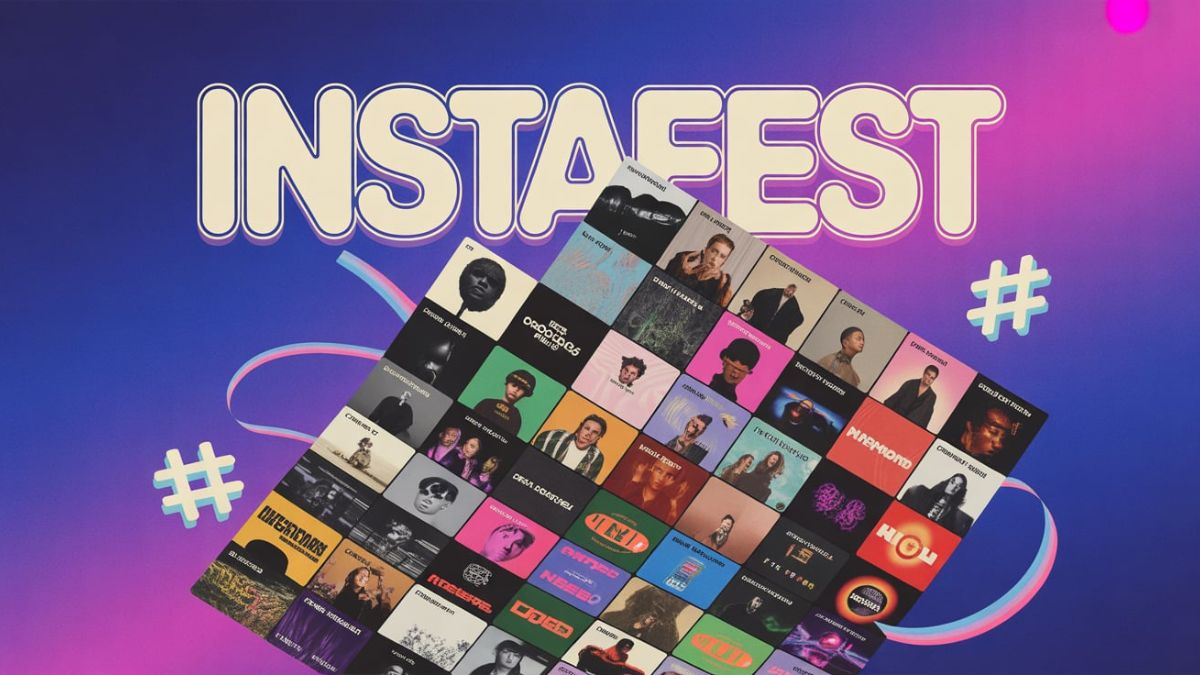
In a world where experiences often matter more than things, festivals have become powerful ways to bring people together, build communities, and create memorable moments. The term instafest captures that modern festival spirit: an event designed to be both deeply engaging in person and highly shareable online. Whether you are a small community organizer dreaming of a weekend market that lights up local social feeds, a brand wanting an experiential campaign, or an individual planning a pop-up gathering, understanding how to design and run an instafest will help you create something that resonates, spreads, and lasts.
An instafest is not simply a flashy backdrop and an influencer lineup. It combines thoughtful programming, clear logistics, creative storytelling, and smart promotion. In this guide I will walk you through the why, the how, and the what to do—practical steps you can use to plan a festival that feels authentic and performs well both live and online.
Table of Contents
What is an instafest?
An instafest is a festival intentionally crafted for both real-world experience and social media resonance. It blends art, music, food, workshops, and interactive installations with moments designed to be photographed, filmed, and shared. The goal is twofold: to create meaningful experiences for attendees and to enable organic, positive promotion through attendees’ content. Unlike traditional festivals that focus only on the live experience, instafest treats discoverability and shareability as core design elements, without sacrificing substance for style.
Origins and evolution
The idea behind instafest grew from pop-up culture, experiential marketing, and the rise of visual social platforms. Early roots include art block parties, market festivals, and brand activations that invited attendees to participate and post. Over time, organizers learned that authenticity, local relevance, and storytelling mattered more than staged photo ops. Modern instafests therefore place balance at the center: create real value and give people natural reasons to capture and share moments.
How to plan your instafest: a step-by-step framework
Successful instafests start with a clear intention. Ask what you want the festival to achieve. Is it to raise awareness for a cause, to celebrate local makers, to launch a product, or to build a recurring community event? Once the intent is clear, follow a planning framework that covers vision, logistics, programming, promotion, and measurement.
Begin by writing a short event brief that explains the event’s purpose, target audience, approximate scale, and the experience you want attendees to leave with. Be honest about budget and resources; a great instafest can be low-cost if ideas are strong and partnerships are smart. Use the event brief as a north star for every decision, from vendor selection to stage design.
Venue and date selection
Choosing the right venue affects everything. A park, warehouse, rooftop, or community hall all offer different vibes and technical requirements. When selecting a date, consider competing events, weather patterns, and local calendars. For an instafest, daylight for photo-friendly installations and golden-hour scheduling for headliner performances both matter. Secure necessary permits early, and always have a backup plan for weather or sudden restrictions.
Programming and curation
Programming is the heart of an instafest. Curate a mix of activities: live music, short workshops, artisan stalls, interactive art, and talk sessions. Think in layers that let attendees choose how to engage—some will want to dance, others to learn, others to browse. Prioritize local talent where possible, and design at least one signature moment or installation that becomes the festival’s visual hook. That signature does not have to be expensive; cleverness and authenticity often outperform flashy, generic backdrops.
Promotion and building buzz for your instafest
Promotion is where instafest differs from many events. Instead of just selling tickets, you want to build a narrative that invites people to be co-creators. Use social media to share behind-the-scenes work, artist profiles, and short clips of installations being built. Create a simple hashtag and encourage early ticket holders to share why they’re excited. Partner with local creators, community groups, and small businesses who will cross-promote. Consider tiered ticketing to reward early fans and to create perceived scarcity.
One effective tactic is to seed the event with micro-experiences before the festival—pop-up performances, teaser murals, or mini-workshops around the city—that point back to the main event. These mini-activations create local conversation and user-generated content, which in turn drives organic reach.
Digital content plan
A clear digital plan will amplify your instafest. Schedule short daily posts in the weeks leading up to the event, focusing on different themes such as food, music, artists, and community partners. Use short-form video to show movement, emotion, and preparation; people connect to faces and stories. On the day of the festival, have a small digital team capturing moments in real time to share across platforms. After the festival, produce a highlight reel and photo album that continues the story and helps with next-year promotion.
Design elements that make content shareable
Design matters for creating shareable moments. Installations with scale, movement, or interactivity invite people to step in and engage. Colorful fabrics, reflective surfaces, handwritten signage, and local art collaborations make each photo feel unique. Avoid generic, templated photo walls that people have seen a thousand times; instead, prioritize authenticity and local input.
Create zones with different feels: a chill lounge area for relaxed photos, a kinetic art area for dynamic content, and an intimate performance corner for close-up video. Ensure signage and the festival’s hashtag are visible but not intrusive. Good signage helps attendees remember to tag the event without feeling like they’re being sold to.
Budgeting and partnerships
Every instafest is a balancing act between ambition and budget. Start by listing fixed costs: permits, insurance, sound, lighting, security, waste management, and basic infrastructure. Then add variable costs such as artist fees, materials, and marketing. If funds are limited, prioritize safety, artist compensation, and at least one high-impact installation that defines the event’s look and feel.
Partnerships can stretch your resources. Local businesses may sponsor a stage or provide food in exchange for exposure. Grants from arts councils or community funds can offset costs if your instafest has a clear cultural or social benefit. When negotiating partnerships, ensure agreements protect the festival’s identity and the attendee experience—avoid sponsors imposing heavy branding that undermines authenticity.
Operational checklist and timeline
Planning requires a realistic timeline. Work backwards from the event date and set milestones for booking the venue, confirming artists, launching ticket sales, securing permits, and finalizing logistics. A simple timeline might look like this: three to six months out secure the venue and core team; two to three months out confirm performers and vendors; one month out begin aggressive promotion; one week out run final site checks and volunteer briefings; event day execute and document; post-event within two weeks publish highlights and start planning next steps.
Here is a simple table comparing three common festival scales—mini, mid, and flagship—so you can choose a model that fits your goals and resources.
| Scale | Typical Capacity | Core Costs | Best For |
|---|---|---|---|
| Mini instafest | 100–500 attendees | Low: local artists, small park fees, basic sound | Community gatherings, brand tests |
| Mid instafest | 500–2,000 attendees | Medium: multiple stages, vendor fees, permits | Growing festivals, city neighborhoods |
| Flagship instafest | 2,000+ attendees | High: major talent, production, comprehensive logistics | Major launches, annual signature festivals |
Running the festival day: flow and attendee experience
On the day, flow is everything. Design clear entrance and exit routes, an information point, accessible restrooms, and hydration stations. Volunteers and staff should wear identifiable shirts and know where to direct attendees. Program timing should avoid conflicts for headline moments and give people enough time to move between experiences. For an instafest, lighting and sound must be tuned so that daytime installations shine and evening performances feel intimate.
Encourage attendees to share by creating low-friction moments: signage with your hashtag, a disposable camera station for those who prefer analog, or scheduled community photo moments. But don’t force content creation. People will share if they feel comfortable and inspired, not coerced.
Safety, inclusivity, and sustainability
A memorable festival is also a safe and inclusive one. Make accessibility part of your planning: ramps, seating, quiet spaces, and clear communication for attendees with different needs. Train staff to handle emergencies and crowd management. Sustainability should also be baked in: prioritize waste reduction with reusable serviceware, clear recycling points, and partnerships with local cleanup organizations. Communicate your sustainability goals publicly—attendees increasingly care about the environmental footprint of events they attend and share.
Measuring success and learning for next time
Measure both qualitative and quantitative outcomes. Ticket sales, social reach, hashtag usage, and on-site spend are straightforward metrics. Equally important are attendee surveys, artist feedback, and the tone of social posts. Create a simple post-event survey that asks about ease of access, programming satisfaction, and suggestions. Use what you learn to improve the next instafest: refine programming, adjust price tiers, and rethink the layout if necessary. Document successes and failures so your team can build institutional knowledge.
Quick actionable checklist
- Define your festival’s purpose and target audience, then write a short event brief to align your team.
- Choose a venue and date that fit your audience’s habits and weather realities, and secure permits early.
- Curate diverse programming with local talent and at least one signature installation that tells your festival’s story.
- Create a promotion plan focusing on stories, short video, and partnerships rather than single large ads.
- Budget for safety, artist compensation, and at least one shareable design element.
- Plan logistics with clear flow, accessibility, and sustainability practices.
- Capture content on the day, publish highlights, and survey attendees to guide future events.
Common pitfalls and how to avoid them
One common mistake is building a festival primarily for social media aesthetics and neglecting substance. Guests will notice shallow experiences. Counter that by centering content around local voices and hands-on programming. Another pitfall is under-budgeting safety and logistics; always allocate funds for security, medical support, and waste management. Finally, poor communication about timing and location erodes trust—use multiple channels to share clear arrival instructions and a simple site map.
Closing thoughts: make your instafest unforgettable
An instafest is a promise: to create a space where people feel seen, inspired, and connected. By focusing on authentic programming, thoughtful design, clear logistics, and a promotion strategy rooted in storytelling, you can produce a festival that delights attendees and finds a life beyond the day itself. Keep learning, keep collaborating with local creators, and let each instafest be a living experiment that grows richer with each iteration.
FAQs
What is the best time of year to host an instafest? The ideal time depends on local climate and competing events. For outdoor instafests, spring and fall often offer comfortable weather and more predictable attendance, but check local calendars to avoid clashes with major holidays or big city events.
What is a reasonable budget for a small instafest? A small, community-focused instafest can be launched with a modest budget if you leverage local talent, volunteers, and partnerships. Expect to allocate funds to essentials like permits, sound, and safety first; creative installations can often be low-cost if made with local artists and recycled materials.
What is the single most important thing to make an instafest shareable? Authenticity. When the festival reflects a real community, tells a compelling story, and treats attendees as co-creators, shareability follows naturally. People post what feels meaningful.
What is the role of sponsors in an instafest? Sponsors can provide financial stability and in-kind support, but their involvement should align with the festival’s values. Choose partners that enhance the experience rather than overwhelm it with branding.
What is the minimum staff required to run a safe instafest? Staffing needs scale with size, but every event should have a core team covering production, artist management, volunteer coordination, safety, and communications. For small events, well-trained volunteers can fill many roles, but ensure oversight from experienced staff.
What is the best way to measure long-term impact? Track repeat attendance, year-to-year growth, local business partnerships, and sustained community engagement. Qualitative data—stories from attendees and artists—often reveals deeper impact than raw numbers.