
From the serial number on your smartphone to the logo on a medical device, tiny markings play a huge role in the modern world. These marks are the work of industrial engraving, a precise manufacturing process that permanently carves information, designs, and tracking codes onto a vast range of materials.
Table of Contents
Principles of Industrial Engraving
Effective industrial engraving relies on a foundation of precision and material science. Unlike a simple print or sticker, an engraved mark is permanent. Achieving a clear, durable, and accurate mark requires a deep understanding of two key principles: depth control and material compatibility.
Depth Control and Precision
The success of an engraving project often comes down to microns. Depth control is the ability to manage how deeply the engraving tool cuts into the material. If the cut is too shallow, the mark may wear away easily or be difficult to read. If it’s too deep, it could compromise the structural integrity of the part, especially with sensitive components.
Precision is equally important. The engraving must be placed exactly where it is needed, with clean lines and sharp details. Modern engraving machines use advanced computer numerical control (CNC) systems to follow digital designs with incredible accuracy, ensuring every mark is identical and perfectly executed.
Material Considerations
Different materials react to engraving in unique ways. A technique that works perfectly on stainless steel might damage a piece of delicate plastic or shatter a ceramic component. Key factors to consider include:
- Hardness: Harder materials like titanium or hardened steel require more powerful engraving methods.
- Heat Sensitivity: Some materials, like certain plastics or polymers, can melt or deform if the engraving process generates too much heat.
- Reflectivity: Shiny or reflective materials can be challenging for laser engraving, as the beam may bounce off the surface instead of marking it.
- Composition: The chemical makeup of a material determines whether it can be chemically etched or how it will react to a laser’s energy.
Engineers and technicians must carefully select the right engraving process based on the material’s properties to achieve the desired outcome without causing damage.
Common Engraving Processes
Three primary methods dominate the industrial engraving landscape: laser engraving, chemical etching, and mechanical engraving. Each offers distinct advantages and is suited for different applications.
Laser Engraving
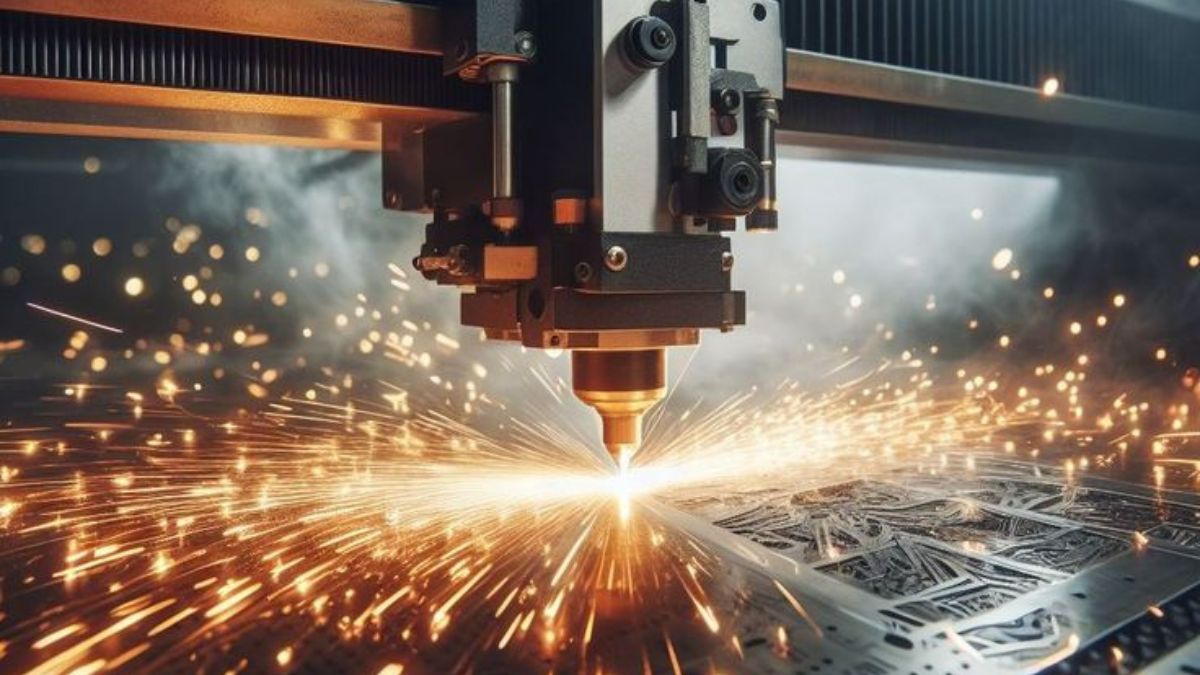
Laser engraving is one of the most versatile and widely used methods today. It uses a high-powered, focused beam of light to remove or alter the surface of a material. The laser’s energy generates intense heat, which vaporizes the material to create a mark.
- How it Works: A computer controls the laser’s movement, directing it to trace a pattern based on a digital file. Different types of lasers (like CO2, fiber, and UV) are used for different materials.
- Advantages: It is extremely fast, precise, and non-contact, meaning there is no tool wear. It excels at creating complex logos, detailed text, and barcodes.
- Common Uses: Marking serial numbers on electronics, branding promotional items, and adding traceability codes to medical devices. It is also suitable for laser etching large-format materials.
Chemical Etching
Also known as photo-etching or chemical milling, this process uses corrosive chemicals (acids) to create a mark. It is ideal for producing intricate designs on metal surfaces with high precision and without adding stress to the material.
- How it Works: A protective layer, called a photoresist, is applied to the material’s surface in the shape of the desired design. The part is then submerged in a chemical bath, where the acid eats away at the unprotected areas, creating the engraved mark.
- Advantages: Chemical etching produces burr-free and stress-free parts, making it perfect for delicate or thin components. It is highly repeatable and cost-effective for large production runs.
- Common Uses: Creating decorative panels for elevators and architecture, producing instrument panels for the aerospace industry, and manufacturing fine metal filters and screens.
Mechanical Engraving
Mechanical engraving is the most traditional method, using a physical cutting tool to carve into a material’s surface. A rotating cutter or a non-rotating diamond tool (diamond drag) is pressed into the material and moved to form the design.
- How it Works: Guided by a CNC system, the sharp tool bit physically removes material to create the mark. The depth and width of the mark are controlled by the shape of the tool and the pressure applied.
- Advantages: It creates a deep, durable mark that is easy to read and can be filled with paint for added contrast. It is effective on a wide range of hard materials, including metals and some plastics.
- Common Uses: Engraving serial plates for machinery, creating ADA-compliant braille signage, and personalizing trophies and awards.
Applications of Industrial Engraving
The applications of industrial engraving are diverse, touching nearly every aspect of modern manufacturing and product identification.
Serial Numbers and Barcodes
Traceability is essential in many industries, from automotive to electronics. Engraved serial numbers, QR codes, and barcodes provide a permanent identification mark that can withstand harsh environments, cleaning processes, and years of use. This allows companies to track parts throughout the supply chain, manage inventory, and handle recalls efficiently.
Branding and Logos
A company’s logo is its signature. Engraving a logo directly onto a product creates a premium, permanent mark that won’t peel or fade over time. This enhances brand recognition and conveys a sense of quality and durability. You can see examples on everything from high-end tools to electronic devices and firearms.
Decorative Patterns
Beyond functional marking, engraving is used for aesthetic purposes. Intricate patterns and textures can be engraved onto architectural elements, automotive interiors, consumer products, and jewelry to add a unique and sophisticated finish.
Emerging Technologies
The field of industrial engraving continues to evolve. Advancements in laser technology are making machines more powerful, efficient, and capable of marking a wider range of materials. Ultra-fast picosecond and femtosecond lasers can mark materials with virtually no heat damage, opening up new possibilities for engraving on sensitive electronics and medical implants. Additionally, improvements in automation and software are making engraving processes smarter and more integrated into the overall manufacturing workflow.
Conclusion
Industrial engraving is far more than just scratching a surface. It is a sophisticated process that underpins safety, quality, and traceability in the modern industrial world. By permanently marking parts with critical information, logos, and designs, engraving provides a level of durability and precision that no label or print can match.