
Key Takeaways
- Personalized nutrition is revolutionizing the supplement industry, offering tailored health solutions.
- Innovative delivery formats, such as gummies and liquids, enhance the accessibility and compliance of supplements.
- Technological advancements, including AI and wearable devices, are driving the development of precision nutrition.
- Consumers should exercise caution and consult a healthcare professional when incorporating supplements into their routine.
Table of Contents
- Personalized Nutrition: A Tailored Approach
- Innovative Delivery Formats Enhance Accessibility
- Technological Advancements Drive Precision Nutrition
- Consumer Considerations and Safety
- Conclusion
In today’s fast-paced society, achieving optimal health can feel increasingly complex. Amid busy schedules, limited meal prep time, and evolving dietary trends, nutritional supplements have become indispensable for millions seeking to bridge nutrient gaps and enhance their well-being. From individuals striving to meet their basic nutrition requirements to athletes seeking to maximize performance, the influence of supplements transcends age and lifestyle. Leading the charge, the best supplement manufacturing companies are now leveraging advanced technologies and science-driven solutions to help consumers meet diverse health goals—delivering convenience, purity, and innovation in every serving.
As health awareness grows globally, supplements are no longer just an afterthought but a key pillar of proactive self-care. Sophisticated approaches, such as genetically based recommendations, biomarker-driven insights, and tailored supplement regimens, are redefining what it means to support holistic wellness. This new era of personalization, coupled with technological innovation and safer, more enjoyable delivery formats, is fundamentally changing how supplements impact modern lives.
Personalized Nutrition: A Tailored Approach
The trend towards personalization in healthcare and nutrition is becoming increasingly prominent. One-size-fits-all solutions are being replaced by targeted strategies that consider an individual’s genetics, microbiome, lifestyle, and specific health aspirations. Through more accessible genetic testing, microbiome analysis, and AI-driven data processing, companies can tailor vitamins, minerals, botanicals, probiotics, and macronutrients to each person’s biological profile. For example, supplements can now be formulated to counteract genetic tendencies for vitamin deficiencies or deliver unique probiotic strains designed after detailed analysis of the gut microbiota.
This movement is empowering consumers—especially those with allergies, dietary restrictions, or chronic illnesses—to take an active role in managing their health in unprecedented ways. Studies from organizations like the New York Times highlight how personalized nutrition has progressed from theory to daily practice, with data showing improved health outcomes among users of custom supplement protocols.
Innovative Delivery Formats Enhance Accessibility
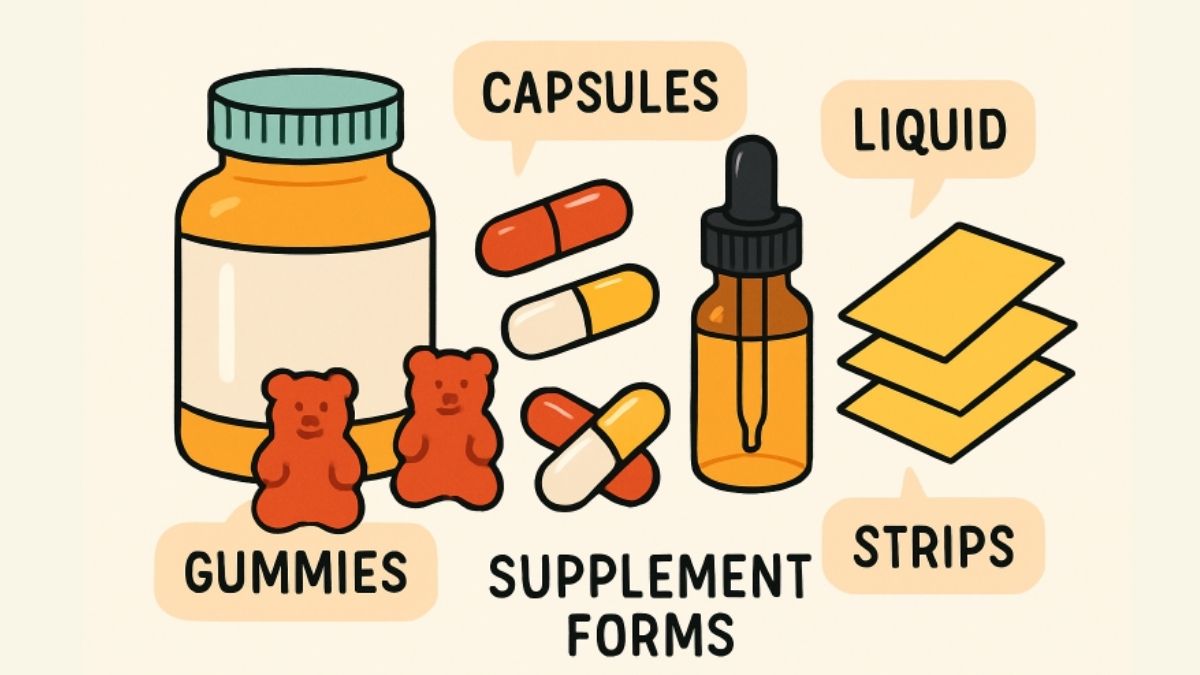
Innovations in supplement delivery systems are making it easier than ever for people to incorporate essential nutrients and wellness compounds into their daily routines. Traditional pills and capsules, which can be difficult to swallow or inconvenient to take, are being increasingly replaced by more user-friendly formats, such as gummies, liquids, sprays, and dissolvable strips. These new options not only simplify supplementation but also make it a more enjoyable experience, helping users stay consistent and improving long-term adherence. Gummies, in particular, have become a favorite due to their appealing taste and versatility, allowing individuals to consume vitamins, minerals, adaptogens, and even performance-focused compounds like creatine in a convenient, flavorful form. This trend reflects a shift toward accessibility, personalization, and practicality in wellness routines.
Meeting Modern Lifestyles
The appeal of these innovative formats extends far beyond children and older adults, reaching busy professionals and fitness enthusiasts who value convenience and personalized nutrition. Portable, easy-to-use options allow for precise dosing on the go, supporting active lifestyles without compromising quality or flavor. By combining practicality with effectiveness, these products cater to a mobile, tech-savvy consumer base that expects nutrition solutions to be efficient, enjoyable, and seamlessly integrated into their daily routines.
Technological Advancements Drive Precision Nutrition
Technological innovation is driving the health and supplement industry forward at an unprecedented pace. Artificial intelligence augments the process of analyzing health data, identifying nutritional gaps, and recommending bespoke supplement stacks. Wearable devices now track sleep quality, stress markers, and nutrient intake, feeding rich data to algorithms that inform product recommendations and adjustments in real time.
In manufacturing, automation and advanced processing—such as controlled fermentation, nanoencapsulation, and bioavailability enhancement—enable the production of cleaner, safer, and more effective supplements. Meanwhile, the rise of direct-to-consumer e-commerce is disrupting traditional retail, with brands leveraging subscription models, data-driven marketing, and home delivery to provide an optimal customer experience. This digital transformation, as discussed in Forbes, is making the supplement value chain more agile, transparent, and responsive than ever before.
Consumer Considerations and Safety
The rapid expansion of the supplement market and the advent of personalized nutrition have highlighted the importance of informed consumer choices. Regulations around supplements remain inconsistent globally, with concerns regarding quality assurance, product efficacy, and misleading claims. Consumers should consult healthcare professionals before initiating any new supplement regimen, especially those with pre-existing health conditions or those taking prescription medications.
Vetting products from reputable, transparent manufacturers helps ensure safety and efficacy. Look for certifications such as NSF or USP, or consider third-party testing to verify quality. Be cautious of brands making exaggerated claims. The Harvard Health Publishing resource further outlines the crucial role of careful supplement selection and the potential risks of unregulated products.
Conclusion
Nutritional supplements have become a cornerstone of contemporary health strategies, adapting to meet the diverse needs of an increasingly health-conscious population. Advances in personalized nutrition allow supplements to be tailored to individual lifestyles, genetics, and health goals, while innovations in delivery formats—such as capsules, powders, gummies, and liquid formulations—improve absorption, convenience, and adherence. The integration of innovative technology, including apps and wearable trackers, further enhances the ability to monitor nutrient intake and optimize consumption. Consumers should consult these advances; professional guidance remains essential to ensure safety, effectiveness, and appropriate use, particularly for individuals with underlying health conditions or complex medication regimens. As the supplement industry expands globally, transparency, scientific validation, and regulatory oversight will be crucial for maintaining consumer trust and maximizing the potential of supplements to support long-term wellness, vitality, and overall quality of life.