

Table of Contents
- Understanding Dog Readings
- The Science Behind Human-Dog Bonds
- Benefits of Dog Readings
- How to Conduct a Dog Reading
- Real-Life Examples
- Tips for Strengthening Your Bond
- Conclusion
Our connection with dogs goes beyond shared spaces and daily routines, it’s a deep, empathetic bond that many pet owners cherish. Innovative practices, such as dog readings, are transforming how we interpret and enhance this unique relationship. By learning to tune in to the subtle cues and emotions of our canine companions, owners are discovering powerful ways to deepen the trust, understanding, and love they share with their dogs.
This comprehensive guide explores how engaging with dog readings can invigorate the human-dog connection, provide insights into your pet’s emotional world, and build a strong foundation of mutual well-being. Whether you’re a seasoned dog owner or a new adopter, understanding the art and science behind dog readings can open new avenues for companionship and care.
Dog readings don’t just offer a window into a pet’s mind; they unlock opportunities for better communication, more effective training, and plenty of joyous moments. With scientific backing and real-life success stories, these practices show that dogs and humans can truly learn to speak the same emotional language.
Throughout this article, you’ll learn how to observe your dog’s body language and behaviors, interpret their unique signals, and apply practical strategies for strengthening your lifelong partnership.
Understanding Dog Readings
Dog readings involve dedicated practice in observing and interpreting a dog’s signals, body movements, eye contact, tail position, and vocalizations, alongside the context in which they appear. Much like human expressions, canine behaviors hold clues to their feelings, stressors, and desires. Rather than viewing behavior as a series of disconnected actions, dog readings take a holistic approach, piecing the cues together to tell a full story about your dog’s inner world.
The Science Behind Human-Dog Bonds
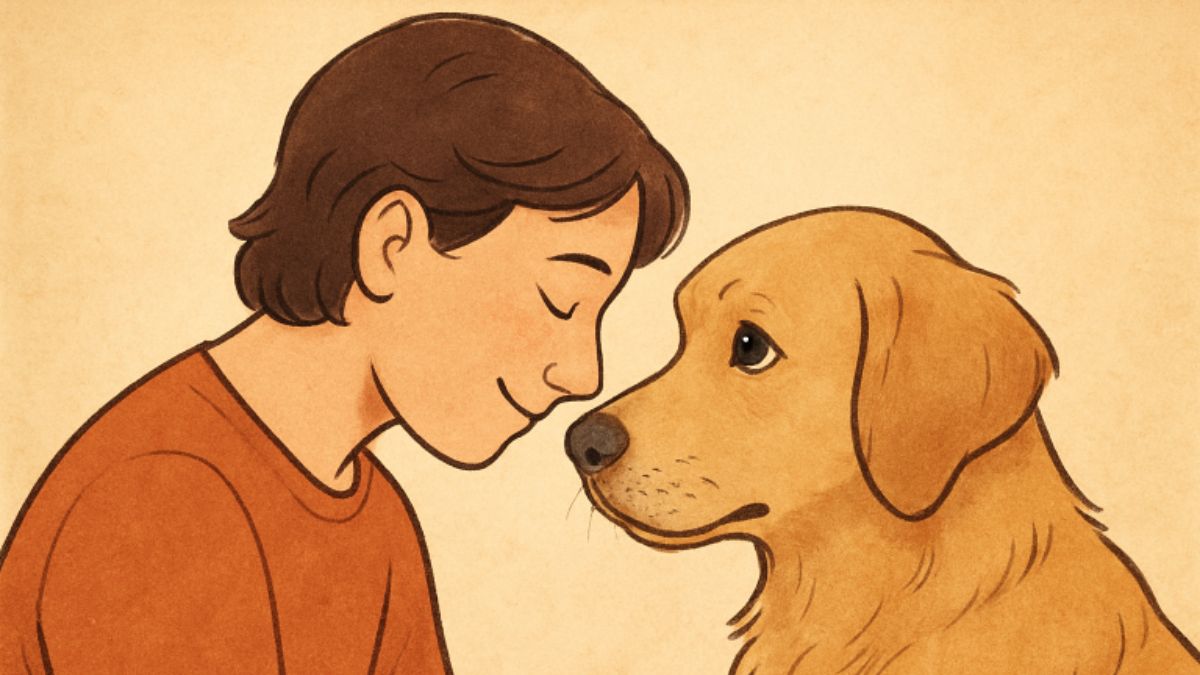
The emotional connection between dogs and humans has roots in evolutionary biology and modern behavioral science. Researchers have discovered that both species share hormonal responses, such as increased oxytocin, the “bonding hormone,” during positive interactions like petting, playing, or even gazing into each other’s eyes. According to Harvard Health, even our physiological rhythms, like heart rate, can synchronize when dogs and owners engage in meaningful contact, illustrating a perceptible bond that transcends mere companionship.
The American Psychological Association notes that dogs can read human emotions and respond empathetically, further supporting the idea that this interspecies relationship is uniquely reciprocal and emotionally layered.
Benefits of Dog Readings
- Enhanced Communication: Dog readings empower owners to understand the nuanced ways dogs communicate. Recognizing gestures, postures, and specific back-and-forth cues can reduce misunderstandings and foster a more peaceful coexistence.
- Improved Training: By paying close attention to a dog’s emotions and behavioral patterns, owners can tailor their approach to teaching commands or modifying unwanted habits. Training becomes more cooperative, building confidence and reducing anxiety for both parties.
- Stronger Emotional Connection: When dogs feel understood, they become more trusting and affectionate. Responding to their emotional needs, whether excitement, stress, or seeking comfort, fosters a deeper relational bond and decreases behavioral issues over time.
How to Conduct a Dog Reading
- Observe Body Language: Watch for the position and movement of your dog’s tail, ears, and eyes. A loose, wagging tail might indicate happiness, while tucked tails suggest fear or discomfort. Listen for yawns, lip licking, or turning away. These subtle cues can signal stress or agitation.
- Monitor Vocalizations: Pay attention to the type and tone of your dog’s sounds. Different barks, whines, and growls often have specific meanings. For example, a high-pitched whine may indicate anxiety, excitement, or a desire for attention; a low growl usually signals fear or a need for distance.
- Assess Behavior in Context: Consider what’s happening around your dog. Environmental cues, such as new people, changes in routine, or unfamiliar animals, can dramatically alter behavior. Understanding the context helps ensure that you interpret signals accurately and respond with empathy.
Real-Life Examples
Many pet owners share stories of transformative changes after learning to read their dog’s emotional cues. For instance, one dog who exhibited restlessness and destructive chewing was eventually diagnosed with separation anxiety after her owner recognized subtle signs of stress. By adjusting routines and offering comfort, both the dog’s anxiety and behavioral issues subsided, enhancing their bond and overall harmony.
Other owners report that identifying early signs of discomfort (like pacing or soft whining during thunderstorms) helps them provide reassurance and distraction at the right moments, preventing escalation into panic.
Tips for Strengthening Your Bond
- Spend Quality Time: Regular walks, interactive games, or simply cuddling on the couch offer shared enjoyment and reassure your dog of your presence and affection.
- Consistent Training: Use positive reinforcement and clear cues. Rewarding good behavior and patiently redirecting unwanted habits builds trust while giving dogs the confidence to learn and grow.
- Regular Health Check-ups: Physical well-being is closely tied to emotional health. Regular veterinary visits ensure your dog is comfortable, pain-free, and able to participate in family life fully. According to the American Kennel Club, preventive care can catch health issues early and support a happier, longer-lasting relationship.
Conclusion
Dog readings offer a practical, empathetic approach for owners seeking to strengthen their bond with their canine companions. By tuning into your dog’s gestures, emotions, and needs, you create a partnership built on trust and mutual understanding. Embracing these strategies doesn’t just improve behavior; it fosters a sense of shared joy and companionship that defines the very best in human-dog relationships.