

Key Takeaways
- Empowering stakeholders with actionable data enhances decision quality and strategic agility.
- Structured approaches, like the BADIR framework, help align data initiatives with business goals.
- High-performing companies leverage data for both daily operations and future planning.
- Overcoming challenges such as data silos and skill gaps is essential for sustained progress.
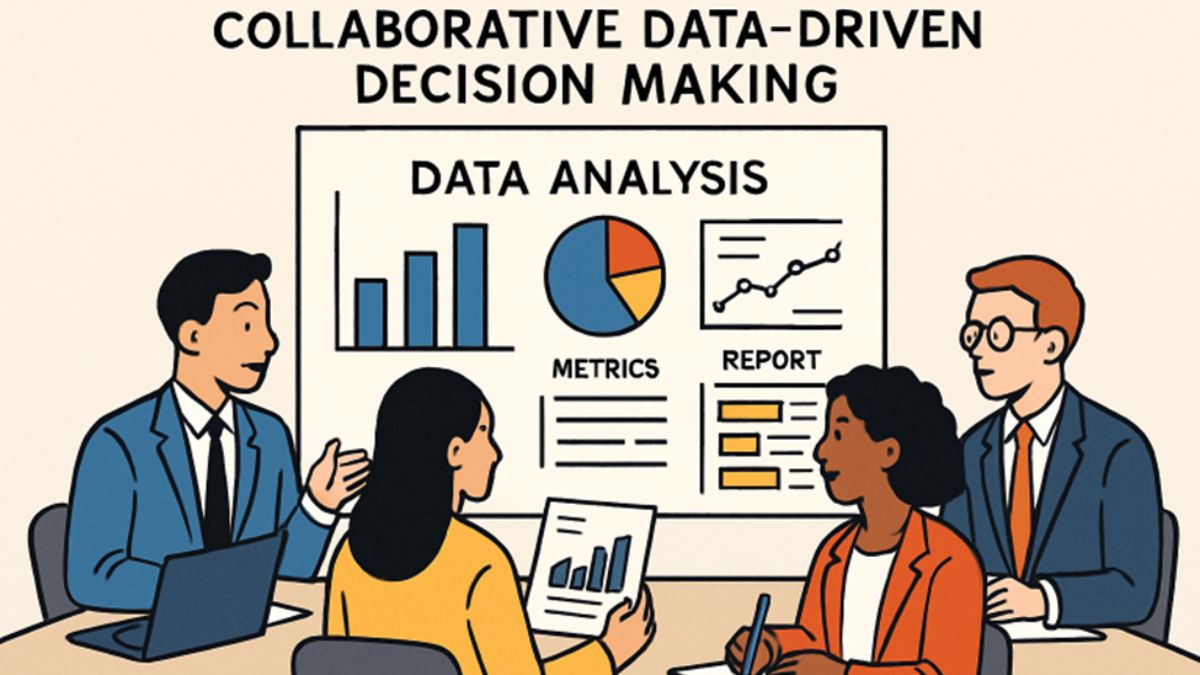
Organizations today face a rapidly changing marketplace where success increasingly depends on the ability to act on insights drawn directly from data. Strategic use of data transforms guesswork into a measurable, targeted approach that can deliver long-term value. From streamlining operations to anticipating shifting customer needs, embracing a data-driven culture is a defining factor for high-performing enterprises. For companies seeking guidance in harnessing advanced analytics, Stratford Analytics offers solutions tailored to modern business requirements.
Data is recognized as a strategic asset that, when systematically collected and analyzed, offers insights into trends, risks, and opportunities, facilitating informed decision-making within organizations. This enables businesses to leverage growth opportunities and enhance customer satisfaction. However, challenges like fragmented information sources and low data literacy can hinder progress. To address these issues, a commitment to analytics, robust analytical frameworks, and readiness at both technical and organizational levels is essential. As industries move towards a data-centric approach, there is a growing demand for credible resources that provide insights into the analytics adoption journey.
Understanding Data-Driven Decision Making
Data-driven decision-making (DDDM) is the disciplined practice of using facts, metrics, and trends to inform operational or strategic decisions. Rather than relying on gut instinct or anecdotal evidence, data is methodically gathered, analyzed, and interpreted. Companies that embrace evidence-based strategies consistently outperform those that do not, underscoring the importance of this approach in a competitive environment.
The scope of DDDM ranges from optimizing supply chains to personalizing user experiences. With advanced analytics tools and accessible internal datasets, companies can move swiftly from data collection to insight-driven action. This continuous feedback loop increases the likelihood of desired business outcomes and supports ongoing refinement.
The BADIR Framework: A Structured Approach
Effective transformation into a data-powered organization requires a methodical framework. The BADIR approach, comprising Business Question, Analysis Plan, Data Collection, Insights Derivation, and Recommendations, offers a scalable, reliable method for bridging the gap between raw data and practical action.
- Business Question: Clearly defining the problem or objective ensures that data analysis is aligned with actual business priorities.
- Analysis Plan: Laying out the strategy for exploration, including what datasets and analytical techniques will be used, structures the journey from question to answer.
- Data Collection: Gathering quality data from both internal and external sources is crucial for meaningful results.
- Insights Derivation: Rigorous analysis uncovers actionable insights by identifying relationships, anomalies, and trends in the data.
- Recommendations: Findings are translated into practical next steps that support better business outcomes.
This model ensures that analysis is purposeful and results are actionable. More information on the BADIR methodology can be found on its Wikipedia page.
Real-World Applications
Many industry leaders use data as the backbone of their decision-making processes.
- Netflix: Constantly evaluates user behavior to tailor recommendations, resulting in increased engagement and reduced churn.
- Amazon: Fine-tunes its recommendation algorithms through comprehensive customer data analysis, boosting both conversions and repeat business.
- Spotify: Delivers personalized playlists and discovery features by assessing listening habits, driving loyalty, and time spent on the platform.
As noted in the Economic Times, businesses that implement data-centric strategies can dramatically improve their competitiveness and flexibility.
Challenges in Data-Driven Decision Making
Even though data-powered strategies hold immense promise, organizations often encounter hurdles:
- Data Quality: Inaccurate, outdated, or poorly managed data can lead to incorrect decisions and missed opportunities.
- Data Silos: Information stored in disparate systems prevents holistic analysis and reduces the impact of insights.
- Overreliance on Data: An exclusive focus on quantitative findings can lead to the neglect of market context or nuances best understood by experienced stakeholders.
Effective leadership advocates for both technical solutions and a balanced approach, blending rigorous analytics with domain expertise.
Building a Data-Driven Culture
A successful transition to data-driven decision making involves far more than adopting new technologies. It requires an organizational mindset that values objectivity and transparency at every level. Core elements of such a culture include:
- Leadership Commitment: Executives must prioritize analytics as a strategic imperative and demonstrate ongoing support for data initiatives.
- Employee Training: Broad-based upskilling ensures that staff can interpret and use data in everyday decision-making.
- Integrated Systems: Technological solutions must foster a seamless flow of information, breaking down departmental silos to support collaborative analytics.
When these principles are embraced, organizations build resilience and adaptability, consistently outperforming less mature competitors.
Conclusion
Data-driven decision making is no longer an optional strategy. Organizations that systematically align their decisions with empirical evidence are better equipped to anticipate change, manage risk, and identify new opportunities. By implementing structured frameworks such as BADIR and cultivating a data-driven culture, leaders can drive sustainable growth and innovation while setting their companies apart in a crowded marketplace.