In the world of natural remedies and culinary spices, few plants carry the historical weight and versatile utility of foenegriek. Also known by its more common English name, fenugreek, this aromatic herb has been used for thousands of years across cultures—from the kitchens of India to the apothecaries of ancient Egypt. With its distinctive maple-like aroma and slightly bitter taste, foenegriek is more than just a flavor enhancer. It’s a nutritional powerhouse packed with compounds that support digestion, blood sugar regulation, hormonal balance, and more.
Despite its long-standing reputation, many people today are still unfamiliar with foenegriek and its wide-ranging benefits. This article aims to shed light on this remarkable herb—exploring its origins, nutritional profile, traditional and modern uses, scientific evidence behind its health claims, and practical ways to incorporate it into daily life. Whether you’re looking to improve your metabolic health, enhance your cooking, or explore natural wellness strategies, foenegriek deserves a closer look.
Table of Contents
What Is Foenegriek?
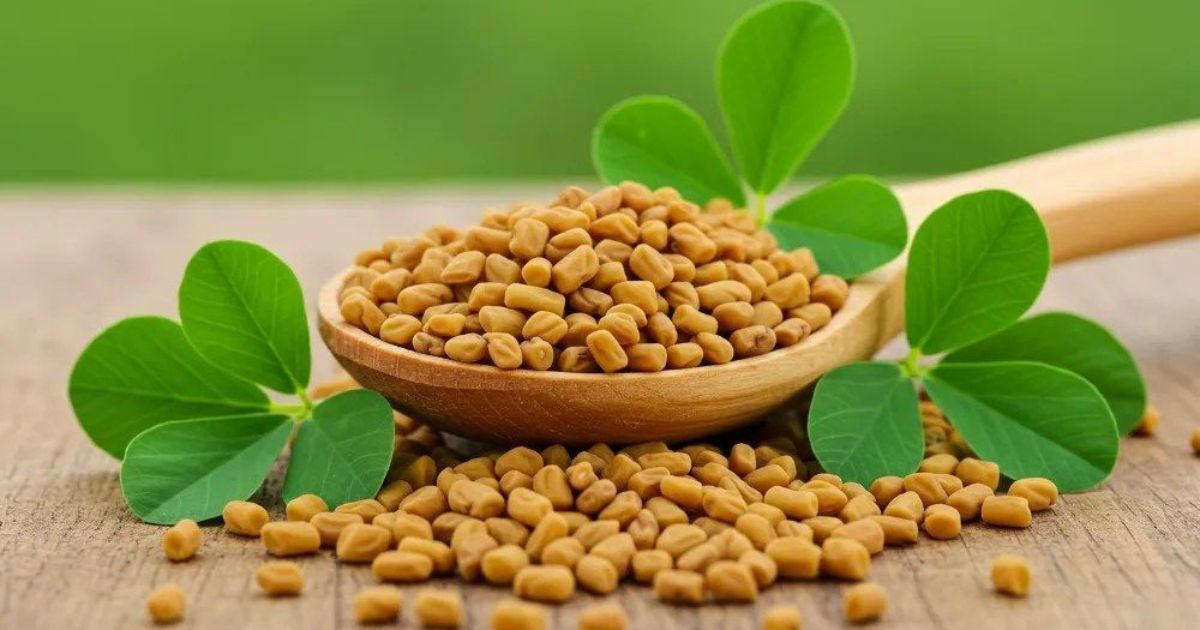
Foenegriek (Trigonella foenum-graecum) is an annual plant in the Fabaceae family, which includes legumes like beans and peas. Native to the Mediterranean region, Southern Europe, and Western Asia, it’s now cultivated widely in India, North Africa, and parts of the Middle East. The plant grows up to two feet tall and produces small, yellowish-white flowers followed by long, slender pods containing hard, amber-colored seeds.
Both the seeds and the fresh leaves of the foenegriek plant are used in cooking and traditional medicine. The seeds are the most commonly used part—they’re often dried, ground into powder, or soaked and sprouted. Fresh or dried foenegriek leaves (known as “kasuri methi” in Indian cuisine) are also used as a herb to add depth and aroma to dishes.
The name “fenugreek” comes from the Latin faenum graecum, meaning “Greek hay,” a nod to its historical use as animal fodder. However, its role in human health and cuisine far surpasses its agricultural applications.
Nutritional Profile of Foenegriek
One of the reasons foenegriek stands out among herbs and spices is its impressive nutritional content. A single tablespoon (about 11 grams) of whole fenugreek seeds contains:
- Calories: 35
- Protein: 2.5 g
- Fiber: 2.7 g
- Fat: 0.7 g
- Carbohydrates: 6 g
- Iron: 20% of the Daily Value (DV)
- Magnesium: 5% of the DV
- Manganese: 7% of the DV
- Small amounts of calcium, zinc, and B vitamins
But beyond basic macronutrients and minerals, foenegriek is rich in bioactive compounds that contribute to its therapeutic effects. These include:
- 4-Hydroxyisoleucine: An amino acid that may help regulate blood sugar.
- Diosgenin: A plant steroid with potential hormonal and anti-inflammatory properties.
- Saponins: Compounds that may lower cholesterol and support immune function.
- Galactomannan: A soluble fiber that promotes satiety and digestive health.
This unique combination of nutrients and phytochemicals makes foenegriek more than just a spice—it’s a functional food with multiple health-supporting properties.
Traditional Uses of Foenegriek Across Cultures
Long before modern science validated its benefits, foenegriek was a staple in traditional healing systems:
- Ayurveda (India): In Ayurvedic medicine, foenegriek is considered warming and balancing for the kapha and vata doshas. It’s used to support digestion, increase milk production in lactating mothers, and manage joint pain and inflammation.
- Traditional Chinese Medicine (TCM): Though less common than in Ayurveda, foenegriek has been used in TCM to tonify the kidneys and improve circulation.
- Ancient Egypt: Archaeologists have found foenegriek seeds in the tomb of Tutankhamun, suggesting its use in embalming and as a medicinal herb. Egyptians also used it to ease childbirth and soothe digestive complaints.
- Middle Eastern and Mediterranean Cultures: In these regions, foenegriek has long been used both as a culinary spice and a remedy for respiratory conditions, skin irritations, and fatigue.
These diverse applications highlight foenegriek’s adaptability and enduring value across civilizations.
Modern Health Benefits of Foenegriek: What Does Science Say?
While traditional knowledge provides a strong foundation, modern research has begun to validate many of the health claims associated with foenegriek. Below are some of the most well-supported benefits:
1. Blood Sugar Regulation
One of the most researched benefits of foenegriek is its ability to help manage blood sugar levels, particularly in people with type 2 diabetes. Multiple studies have shown that consuming foenegriek seeds or extract can:
- Improve insulin sensitivity
- Slow carbohydrate absorption due to its high fiber content
- Stimulate insulin secretion via 4-hydroxyisoleucine
A 2019 meta-analysis published in Phytotherapy Research concluded that foenegriek supplementation significantly reduced fasting blood glucose and HbA1c (a marker of long-term blood sugar control) in diabetic patients.
2. Support for Breast Milk Production
Foenegriek is widely used by nursing mothers to boost lactation. The herb is believed to contain phytoestrogens that stimulate milk-producing glands. While scientific evidence is mixed, several small clinical trials have reported increased milk volume in women who consumed foenegriek tea or capsules within days of starting supplementation.
It’s important to note that results vary, and foenegriek should be used under the guidance of a healthcare provider, especially for women with hormone-sensitive conditions.
3. Cholesterol and Heart Health
The saponins in foenegriek may help lower LDL (“bad”) cholesterol by inhibiting its absorption in the intestines. Additionally, its fiber content supports healthy lipid metabolism. A 2014 study in the Journal of Dietary Supplements found that participants who took foenegriek seed powder daily for eight weeks experienced significant reductions in total cholesterol and triglycerides.
4. Anti-Inflammatory and Antioxidant Effects
Chronic inflammation is linked to numerous diseases, including arthritis, heart disease, and cancer. Foenegriek contains flavonoids and other antioxidants that help neutralize free radicals and reduce inflammatory markers. Animal studies have shown promising results in reducing joint swelling and pain, though more human trials are needed.
5. Digestive Support
Thanks to its mucilage content—a gel-forming fiber—foenegriek can soothe the gastrointestinal tract, relieve constipation, and act as a mild laxative. It’s also been used traditionally to treat heartburn and indigestion.
6. Potential Testosterone and Libido Support
Some studies suggest that foenegriek may enhance libido and testosterone levels in men. A 2016 randomized controlled trial found that men who took a foenegriek extract for 12 weeks reported improved sexual function and increased testosterone compared to the placebo group. However, larger studies are needed to confirm these effects.
ALSO READ THIS POST: Norway Spruce Pine Cones: Everything You Need to Know in 2025
Culinary Uses of Foenegriek
Beyond its medicinal applications, foenegriek is a beloved ingredient in global cuisines. Its flavor—earthy, slightly sweet, with a hint of bitterness and a maple-like undertone—adds complexity to dishes.
In Indian Cooking
In Indian cuisine, foenegriek seeds are often dry-roasted and ground to mellow their bitterness before being added to spice blends like garam masala or curry powders. Fresh or dried leaves (kasuri methi) are sprinkled into curries, dals, and flatbreads for aroma.
In Middle Eastern and North African Dishes
In countries like Egypt and Morocco, foenegriek seeds are used in breads, stews, and spice rubs. They’re also a key ingredient in hilba, a Yemeni fenugreek dip made from ground seeds, garlic, and chili.
In Western Cooking
While less common, foenegriek is gaining popularity in Western kitchens as a natural flavoring agent. Chefs sometimes use it to impart a maple-like note to vegan desserts or savory sauces without added sugar.
Tips for Using Foenegriek in the Kitchen
- Toast the seeds lightly before grinding to reduce bitterness.
- Soak seeds overnight to soften them for use in chutneys or smoothies.
- Use dried leaves sparingly—they’re potent! Crush them between your palms before adding to dishes.
- Pair with strong flavors like garlic, cumin, or turmeric to balance its taste.
How to Incorporate Foenegriek into Your Daily Routine
Whether you’re interested in its health benefits or culinary versatility, there are many easy ways to add foenegriek to your life:
- Foenegriek Tea: Steep 1–2 teaspoons of crushed seeds in hot water for 10 minutes. Add honey or lemon for taste. Ideal for digestion or lactation support.
- Smoothie Booster: Add a pinch of ground foenegriek to your morning smoothie for fiber and blood sugar balance.
- Homemade Spice Blends: Create your own curry powder or seasoning mix with foenegriek, coriander, cumin, and turmeric.
- Baking: Use a small amount in breads or crackers for a nutty, aromatic flavor.
- Supplements: Capsules or tinctures offer a concentrated dose for therapeutic use—consult a healthcare provider before starting.
Start with small amounts to assess tolerance, as foenegriek can cause mild digestive upset in some individuals.
Safety, Side Effects, and Precautions
While generally safe for most people, foenegriek can cause side effects in certain situations:
- Digestive Issues: High doses may lead to gas, bloating, or diarrhea due to its fiber content.
- Allergic Reactions: Rare, but possible—especially in people allergic to peanuts or chickpeas (same plant family).
- Pregnancy: Large amounts may stimulate uterine contractions; avoid medicinal doses during pregnancy unless advised by a doctor.
- Blood Sugar Interactions: Since foenegriek lowers blood sugar, diabetics on medication should monitor levels closely to avoid hypoglycemia.
- Hormonal Effects: Due to phytoestrogens, those with hormone-sensitive cancers should use caution.
Always consult a healthcare professional before using foenegriek therapeutically, especially if you have underlying health conditions or take medications.
Sustainability and Ethical Sourcing
As global demand for foenegriek grows, it’s important to consider how it’s grown and harvested. Most commercial foenegriek comes from India, where small-scale farmers rely on it as a cash crop. Choosing organic, fair-trade, or sustainably sourced products supports ethical farming practices and reduces environmental impact.
Look for certifications like USDA Organic or Fair Trade when purchasing foenegriek seeds, powders, or supplements.
Conclusion: Embracing the Power of Foenegriek
From ancient healing traditions to cutting-edge nutritional science, foenegriek continues to prove its worth as a multifaceted herb with profound benefits for body and kitchen alike. Whether you’re managing blood sugar, seeking natural lactation support, or simply looking to add depth to your meals, this humble seed offers a wealth of possibilities.
Its rich history, backed by growing scientific evidence, makes foenegriek more than just a trend—it’s a timeless ally in the pursuit of wellness. By understanding its uses, respecting its potency, and incorporating it mindfully into daily life, you can tap into the legacy of a plant that has nourished humanity for millennia.
As interest in plant-based health solutions grows, foenegriek stands out as a bridge between tradition and innovation—a reminder that sometimes, the oldest remedies stands out as a bridge between tradition and innovation—a reminder that sometimes, the oldest remedies hold the most promise. So the next time you see a jar of golden-brown seeds labeled “fenugreek” or “foenegriek,” consider giving this ancient herb a place in your pantry and your wellness routine. You might just discover why civilizations across time have held it in such high regard.
With its unique blend of flavor, function, and history, foenegriek truly deserves its place among nature’s most valuable gifts.