Key Takeaways
- Ductless HVAC systems, also called mini-splits, provide efficient, zone-specific heating and cooling without ducts.
- Energy efficiency is a major benefit, with variable-speed compressors and high SEER ratings reducing utility bills.
- Flexible installation and modular design make ductless systems ideal for renovations, additions, or retrofits.
- Advanced filtration and the absence of ductwork improve indoor air quality, benefiting allergy sufferers and families.
- Multi-zone capabilities allow customized comfort for different rooms, while remote and smart controls add convenience.
- Quiet indoor operation and eco-friendly refrigerants enhance home comfort and sustainability.
- Overall, ductless systems offer a modern, energy-efficient, and adaptable solution for homeowners seeking precise climate control and healthier living environments.
Introduction
When homeowners seek greater control over their indoor climate, it is worth exploring alternatives to traditional ducted heating and cooling. One of the best innovations available today is the ductless HVAC system. Also called mini-split systems, these units deliver efficient and targeted climate control without the hassles of large ductwork. If you want a simpler way to keep your living spaces comfortable year-round, a mrcool DIY mini split is an excellent choice. These options are not only efficient but also much easier to install than standard HVAC solutions.
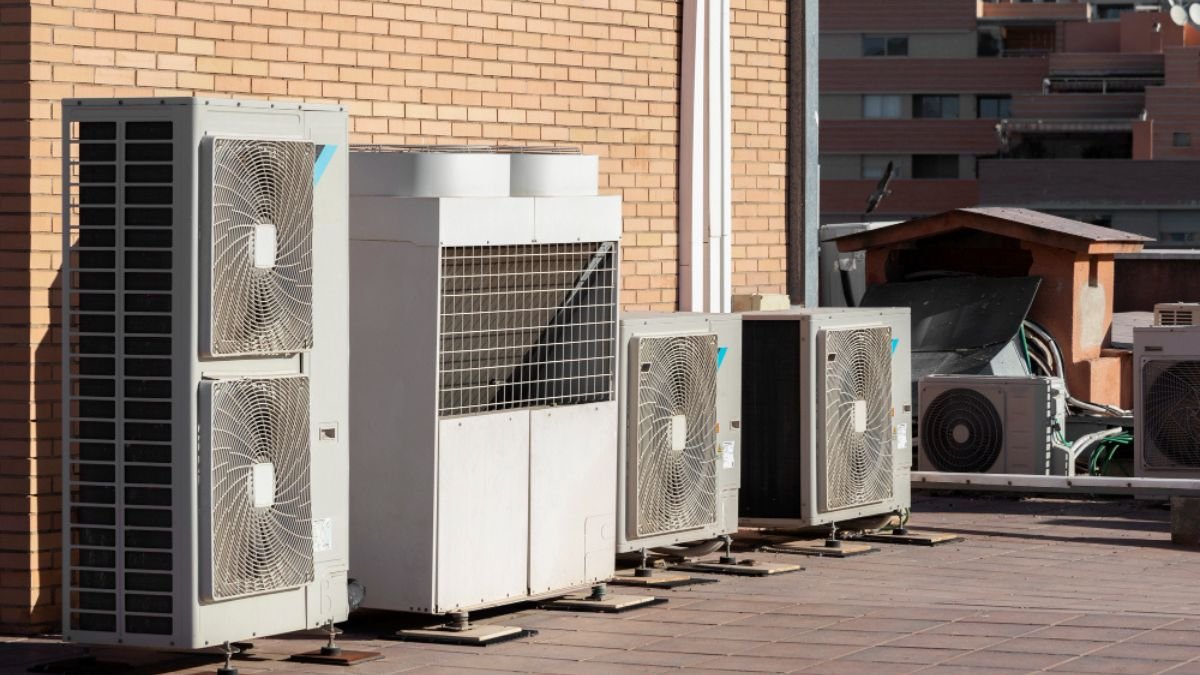
Ductless systems rely on an outdoor compressor unit that is connected directly to indoor air-handling units. Cooled or heated air is supplied exactly where you need it, without energy loss through ducts. This technology has expanded rapidly in the residential sector, particularly in homes that cannot accommodate traditional ducts or where zone-based comfort matters most.
Energy Efficiency
A major advantage of switching to ductless HVAC systems is their impressive energy efficiency. According to the U.S. Department of Energy, ducted systems can lose up to 30 percent of their energy to leaks or poorly insulated ducts. By eliminating the need for ducts and delivering air directly to each room, ductless systems drastically reduce energy loss. Most modern ductless units feature variable-speed compressors that intelligently adjust output based on each zone’s heating or cooling needs. This results in lower energy consumption and reduced monthly utility bills for homeowners.
In addition, many ductless HVAC systems carry high SEER (Seasonal Energy Efficiency Ratio) ratings, making them among the most efficient climate control solutions in the market today. Utility companies may offer rebates or incentives for purchasing these energy-efficient systems, providing additional savings and making the upgrade even more cost-effective over time.
Flexible Installation Options
The installation process for ductless HVAC systems is straightforward and much less invasive than that of traditional HVAC systems. There is no need to carve through walls or ceilings to make room for ductwork, making these systems an ideal solution for older homes, renovations, additions, or rooms that need targeted control. Indoor air handlers can be mounted on walls or ceilings and require only small holes for conduit connections, preserving your home’s aesthetic and structure.
Adaptability is one of the most significant selling points for ductless units. Whether you are retrofitting a historic home or expanding your living space, you can achieve year-round comfort without extensive remodeling or loss of square footage.
Another strong advantage is the scalability of ductless HVAC systems. If your needs change or you expand your home, you can add more indoor units as needed, rather than replacing an entire central system. This modularity helps future-proof your home’s comfort while controlling costs and minimizing installation disruption.
Improved Indoor Air Quality
Ductless HVAC systems are equipped with advanced filtration technologies that help clean the air as it circulates. Without ducts to gather dust, mold, and allergens, air is distributed more cleanly. Many models employ multi-stage filtration, further reducing particulates, pollen, pet dander, and other irritants. This enhanced indoor air quality is especially beneficial for families with allergies or respiratory issues, providing a healthier living environment.
Consistent, focused air filtration, combined with the lack of dust-accumulating ductwork, means fewer airborne irritants recirculate in your home. Maintenance is often easier as well, as many units come with washable or replaceable filters, helping homeowners maintain optimal air quality with minimal effort.
Zone-Specific Comfort
Most ductless HVAC systems support multi-zone capabilities, letting you set different temperatures in separate rooms or areas of your home. This type of zoning helps households save money by heating or cooling only the spaces in use, rather than maintaining a uniform temperature throughout the entire home. It also accommodates personal preferences; bedrooms, kitchens, and common spaces can all have their own ideal climate settings for maximum comfort.
Remote controls, programmable timers, and smart home integration further enhance convenience, allowing you to tailor your home’s climate control to your lifestyle. This flexibility empowers residents to optimize comfort room by room, ideal for busy households or those with varying temperature preferences.
Quiet Operation
One common complaint about traditional HVAC systems is the noise generated by indoor units and ductwork. Ductless systems are engineered for quiet performance. The most significant sources of noise, the compressor and condenser, are housed outside the home. Indoor air handlers operate at whisper-quiet levels. This means less disruptive noise during operation, allowing your household to work, rest, or sleep more peacefully.
Because the noise-generating components are outside, the overall sound level in your living areas is minimal. This is especially valuable in bedrooms, nurseries, and home offices, where a quiet environment is essential for relaxation or productivity.
Environmental Impact
Reducing home energy use is an important way to cut down on greenhouse gas emissions. Ductless HVAC systems use significantly less energy than their ducted counterparts, and many units run on eco-friendly refrigerants with a lower environmental impact. Their energy efficiency and use of sustainable materials make them a responsible choice for eco-conscious homeowners.
As homeowners seek to reduce their carbon footprint, choosing appliances that are kinder to the environment is increasingly appealing. Ductless systems, by using less energy and more eco-friendly refrigerants, contribute directly to this goal. They help support a sustainable future through technological innovation, efficient design, and conscious material choices.
Final Thoughts
Ductless HVAC systems provide a comprehensive array of benefits to modern homeowners. From their high energy efficiency and hassle-free installation to marked improvements in indoor air quality and customizable comfort, these units represent a smart investment for the future. In addition to being quiet and unobtrusive, ductless systems are aligned with efforts to reduce environmental footprints. Anyone looking to upgrade their current heating and cooling setup should consider the many advantages of ductless solutions for healthier, quieter, and more energy-efficient living.
As more households experience the reliability and comfort of ductless mini-split systems, their popularity continues to grow across diverse home types. Whether you’re renovating, building new, or simply seeking a more effective way to manage your home’s climate, these systems offer versatility, performance, and peace of mind. Investing in ductless HVAC technology means stepping toward a more adaptable and environmentally friendly approach to indoor comfort, today and for years to come.