Key Takeaways
- Businesses must adopt a Zero Trust Architecture to continuously verify users and devices.
- AI and automation streamline threat detection and response, empowering teams to act quickly.
- Continuous employee training is crucial in building a resilient human firewall.
- Multi-Factor Authentication significantly strengthens systems against breaches.
- MSSPs are important partners for businesses seeking 24/7 expert security monitoring.
Today’s business environment demands modern, innovative security strategies to counter the complex landscape of digital threats. From network security to physical protection and regulatory compliance, business leaders must take active steps to defend their assets and operations. Staying proactive with current security trends not only helps prevent unauthorized access but also demonstrates a commitment to customer and partner trust. For organizations with physical locations, integrating reliable security guard services boosts on-site safety and complements digital security investments.
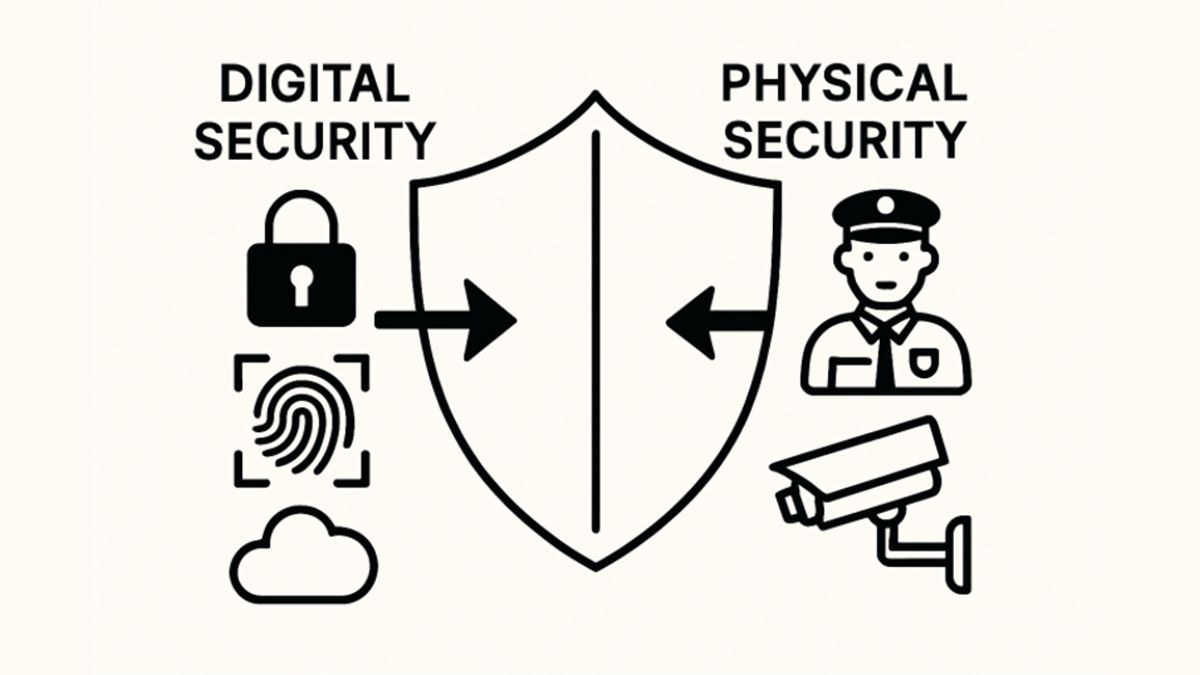
Whether you run a growing small business or a well-established enterprise, adapting to evolving risks means constantly improving your security approach. The convergence of digital and physical risks makes security a boardroom issue, necessitating a holistic strategy that encompasses people, process, and technology. Safeguarding sensitive data, protecting intellectual property, and ensuring the resilience of business operations require vigilance across every facet of security, from endpoint protection to human resources practices.
Embracing Zero Trust Architecture
The traditional approach of defending the network perimeter is no longer sufficient as threats increasingly originate from both inside and outside an organization. Zero Trust Architecture (ZTA) operates under the premise that no user or device should be implicitly trusted. Instead, all access requests are continuously verified, and only the minimum necessary permissions are granted. This minimizes risk and exposure, limiting the movement of a potential attacker within the system. Enterprises implementing Zero Trust have experienced fewer breaches and reduced damage from compromised accounts, according to CSO Online reports.
Leveraging AI and Automation
Cybercriminals are leveraging advanced tactics, and so should businesses. Artificial Intelligence and automation now play critical roles in identifying anomalies and threats in real time. These systems are capable of filtering vast streams of data, distinguishing between legitimate behavior and suspicious activity, and initiating automatic responses. By reducing manual workload and improving response accuracy, companies enhance both security and efficiency. Automated systems can even alleviate the burden on security professionals and help identify emerging threats that could go unnoticed by human analysts. Forbes Tech Council discusses the effectiveness of AI in cybersecurity in depth.
Prioritizing Employee Training
People are often the weakest link in an organization’s security chain. Human error, such as falling for phishing attempts or using weak passwords, can open the door to data breaches. Regular training ensures employees are informed about the latest threats, including social engineering techniques and malware. Interactive campaigns, simulated attacks, and clear policies empower employees to identify suspicious activity and adhere to best security practices. With cyber literacy across the workforce, businesses can significantly lower their risk of preventable incidents.
Implementing Multi-Factor Authentication
Passwords alone are no longer sufficient in protecting critical systems. Multi-Factor Authentication (MFA) requires users to present multiple credentials (such as a code sent to a mobile device or biometric verification) before access is granted. MFA is especially effective against credential theft and phishing attacks. Businesses should implement MFA across all sensitive platforms, administrative accounts, and remote access points, creating a formidable barrier even if a single factor is compromised.
Outsourcing Security Functions
Maintaining an internal security operations team can be costly and resource-intensive, especially for small and medium-sized businesses. Outsourcing to Managed Security Service Providers (MSSPs) offers significant advantages, including access to leading experts, advanced technologies, and round-the-clock monitoring. MSSPs proactively manage threats, ensuring swift, compliant incident responses. An experienced partner can help close security gaps and keep defenses up to date in the face of rapidly evolving risks.
Enhancing Physical Security Measures
Securing physical locations is an often-overlooked yet critical aspect of a holistic security strategy. Effective access control, security patrols, alarms, and video surveillance deter unauthorized access and protect both tangible and digital assets. Physical security remains a key component, especially for businesses handling valuable equipment, confidential files, or regulated information. Coordination between the physical and IT security teams helps prevent vulnerabilities at the intersection of the two domains.
Regular Security Audits and Assessments
Routine security audits expose weaknesses and illuminate opportunities for improvement. These assessments, conducted by internal teams or external auditors, evaluate adherence to policies, regulatory compliance, and system integrity. Reports derived from audits serve as actionable roadmaps, helping organizations address deficiencies and strengthen their overall security framework. Ongoing evaluations ensure that investments in security yield tangible, measurable outcomes over time.
Staying Informed on Regulatory Changes
Regulatory compliance is a constantly shifting landscape, with laws such as the General Data Protection Regulation (GDPR) and state privacy initiatives setting new standards for data management and protection. Businesses must keep pace with global legal developments, updating policies and ensuring that data-handling practices meet all relevant requirements. In today’s climate, non-compliance can result in substantial financial penalties and erode stakeholder trust.
By embracing these modern security practices, business owners can proactively safeguard their operations against evolving cyber and physical threats. A comprehensive security program not only preserves assets but also instills a culture of vigilance, protecting an organization’s reputation and driving sustainable success.