
Key Takeaways
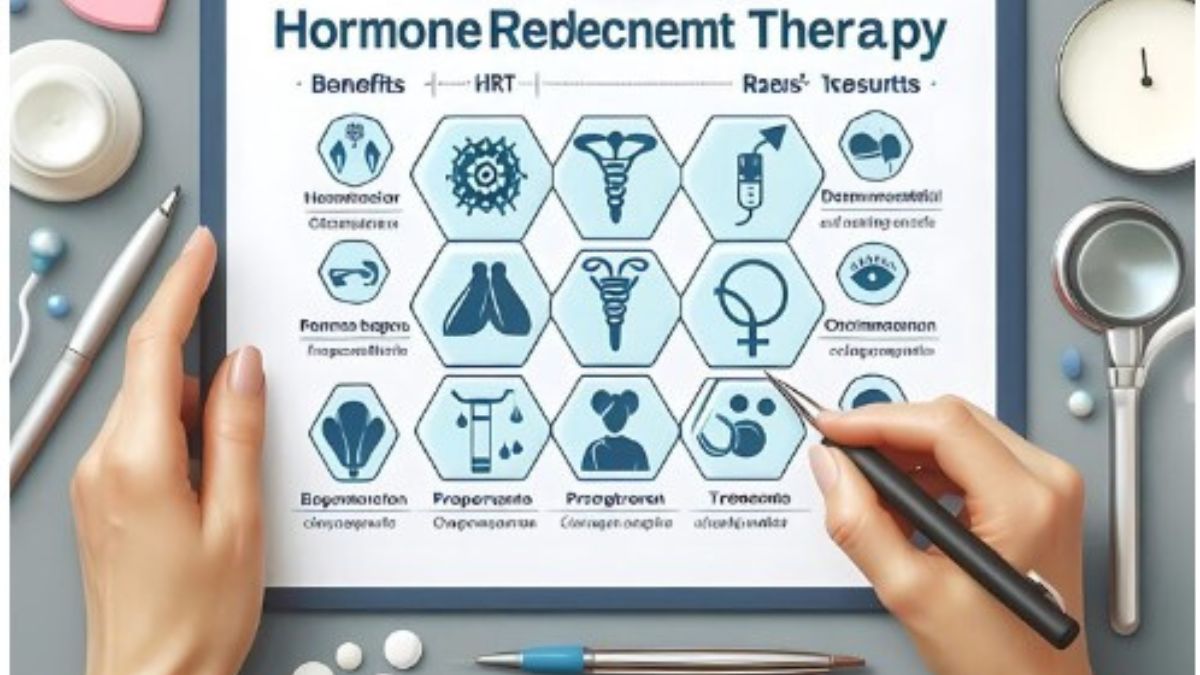
- Hormone Replacement Therapy (HRT) helps restore hormone levels to relieve menopausal symptoms such as hot flashes, mood swings, and sleep disturbances.
- Types of HRT include estrogen-only, combined estrogen and progesterone, and bioidentical hormones, each suited to different medical needs.
- HRT can improve quality of life, support bone health, and may benefit cardiovascular health when started early in menopause.
- Risks such as blood clots, stroke, and certain cancers exist but are lower for women under 60 or within ten years of menopause onset.
- HRT is available in multiple forms, including oral tablets, patches, gels, creams, and vaginal devices, allowing personalized treatment options.
- Alternatives include lifestyle changes, non-hormonal medications, and complementary therapies for those unable or unwilling to use HRT.
- Consulting a qualified healthcare provider ensures a safe, individualized approach to hormone therapy and overall well-being.
Introduction to Hormone Replacement Therapy (HRT)
Hormone Replacement Therapy (HRT) is a treatment approach designed to supplement the body with hormones that have declined or become imbalanced, most commonly during menopause. This therapy restores hormone levels, helping reduce symptoms that disrupt daily life and overall well-being. For those considering finding a qualified provider, a HRT clinic Tampa, FL can offer individualized treatment options and professional guidance close to home.
Many people experience uncomfortable symptoms due to shifting hormone levels, such as hot flashes, mood swings, and sleep disturbances. HRT offers relief by replacing the hormones your body is no longer producing in sufficient amounts, aiming to improve the quality of life.
Types of Hormone Replacement Therapy
- Estrogen-Only HRT: Prescribed usually for people who have undergone a hysterectomy, this form contains just estrogen without progesterone.
- Combined HRT: Includes both estrogen and progesterone and is ideal for those with an intact uterus, protecting against endometrial thickening caused by estrogen alone.
- Bioidentical Hormone Replacement Therapy (BHRT): Uses hormones chemically identical to those produced naturally by the body. It’s important to note that while BHRT is frequently marketed as a more ‘natural’ solution, the FDA considers “bioidentical” largely a marketing term rather than a scientific distinction.
Benefits of HRT
HRT provides effective relief from many common menopausal symptoms, such as hot flashes, night sweats, sleep problems, and vaginal dryness. For those struggling with mood changes, anxiety, or difficulties with concentration, HRT may help stabilize mood and restore cognitive clarity. Furthermore, HRT is associated with a reduced risk of osteoporosis by helping maintain bone density. Experts recommend that women under 60 or within ten years of menopause derive the most benefit.
Beyond short-term symptom control, hormone therapy can have a positive effect on cardiovascular health in younger menopausal women. Ongoing research continues to evaluate these benefits in different patient populations, making it essential to discuss your individual risks and advantages with a knowledgeable provider. The evolving landscape of HRT means better, more effective, and safer therapies are being developed, helping even more people manage their symptoms.
Potential Risks and Considerations
As with all medical treatments, HRT comes with risks. Concerns include an elevated risk of blood clots, stroke, and certain cancers, particularly with long-term or higher-dose use. Recent regulatory changes and ongoing studies indicate that when HRT begins before age 60 or within ten years of menopause onset, these risks are much lower. Notably, the U.S. Food and Drug Administration has revised long-standing warnings on menopause hormone drugs due to an evolving scientific consensus.
Methods of Administration
HRT is available in a remarkable range of forms to suit individual preferences and clinical needs. These include:
- Oral Tablets: Taken by mouth, these are convenient yet may increase the risk of blood clots compared to other forms.
- Transdermal Patches: Worn on the skin, these patches deliver hormones steadily and may lower the risk of blood clots and stroke.
- Topical Gels and Creams: Applied directly to the skin, these products offer flexible dosing.
- Vaginal Rings and Tablets: Provide targeted symptom relief for vaginal dryness and urinary discomfort.
Who Should Consider HRT?
HRT is best suited for those experiencing moderate to severe symptoms of menopause that significantly affect their daily activities and quality of life. Candidates should always review their individual and family health history with a healthcare professional before starting therapy, as personal risk factors will influence whether HRT is a safe and effective solution. Some may benefit from a detailed discussion about family history and genetic factors that could influence their experience with HRT.
Alternatives to HRT
For individuals who are unable or choose not to pursue hormone therapy, several evidence-based alternatives are available. Lifestyle changes such as regular exercise, a balanced diet, and managing sleep hygiene can have substantial benefits. Non-hormonal medications, including certain antidepressants, can alleviate hot flashes and mood disturbances. Complementary therapies like cognitive-behavioral therapy and acupuncture are also supported by research for managing menopause-related symptoms.
Final Thoughts
Hormone Replacement Therapy stands as a proven option for many seeking relief from the challenging symptoms of menopause. From tailored types and varying delivery methods to a broad range of alternatives, HRT is not a one-size-fits-all approach. To navigate the balance between benefits and risks, ongoing consultation with your healthcare provider is essential. With up-to-date research and evolving guidelines, each person can make informed decisions about their hormonal health and well-being. Remember, finding the best approach for you can greatly improve comfort and restore vitality as you navigate changes in hormone levels.