Key Takeaways
- Abortion procedures vary based on pregnancy stage, medical history, and personal preferences.
- Medication abortion is the most common method for early pregnancies and can often be completed at home under medical guidance.
- In-clinic procedures such as vacuum aspiration and D&E are safe and effective, and typically completed in a short time.
- Later-term procedures are rare and usually performed for specific medical reasons.
- Consulting a qualified healthcare provider ensures safety, proper follow-up care, and informed decision-making.
Table of Contents
Introduction
Understanding the various abortion procedures is essential for anyone facing decisions about reproductive health. The options, safety, and recommended methods often depend on the stage of pregnancy and specific health needs. Individuals seeking compassionate and professional care can find support from an experienced abortion doctor in Boca Raton, FL, ensuring access to reliable information and services.
With ongoing conversations around reproductive rights, staying informed about available procedures and what to expect during each is crucial. Whether considering early or later abortion, knowing the facts empowers people to make the best choices for their unique circumstances.
Medication Abortion
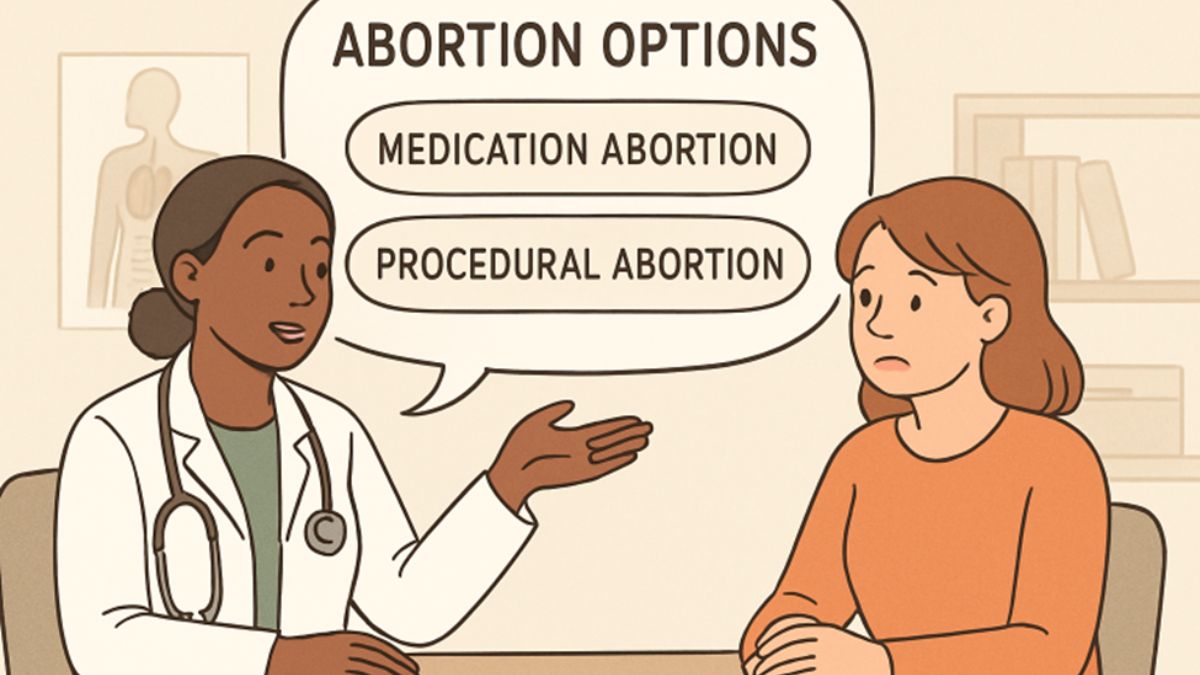
Medication abortion is a widely used option for terminating early pregnancies, usually up to 10 weeks. This method involves taking two medications: mifepristone, which blocks the hormone progesterone, and misoprostol, which causes the uterus to contract and expel its contents. The growing popularity of this method is reflected in recent data showing that medication abortions accounted for over 60% of all abortions provided by clinicians in 2023. The process is non-invasive, can be done in the privacy of one’s home, and has a high effectiveness rate.
After taking the prescribed doses, most people experience bleeding and cramping, similar to a heavy period. Side effects may include nausea and mild fever. It is important to follow up with a healthcare provider to ensure the procedure is complete and to address any complications.
Vacuum Aspiration
Vacuum aspiration is a safe and effective procedure used for pregnancies up to 16 weeks. It involves inserting a thin tube into the uterus and applying gentle suction to remove pregnancy tissue. The procedure, sometimes called suction aspiration, usually takes less than 10 minutes and is performed in a clinical setting. Patients typically recover quickly, experiencing mild cramping or spotting afterward. Complications are rare, which is one reason this method is widely recommended by healthcare providers, especially in cases where medication abortion is not suitable or has not been effective.
People considering vacuum aspiration are encouraged to discuss pain management options and post-procedure care with their healthcare provider. It’s vital to obtain care at a reputable clinic, such as one affiliated with a professional health organization or a recognized Planned Parenthood location.
Dilation and Evacuation (D&E)
Dilation and Evacuation (D&E) is the most common method for second-trimester abortions, generally performed between 16 and 24 weeks of pregnancy. This surgical procedure first requires the gradual dilation of the cervix, followed by the removal of pregnancy tissue using suction and specially designed instruments. D&E is typically completed in less than an hour and performed in a hospital or clinic by a highly trained specialist. Compared to earlier abortions, D&E may have a slightly higher risk of complications, such as infection or heavy bleeding, but overall, it remains a safe option when performed by an experienced provider.
Dilation and Curettage (D&C)
Dilation and Curettage (D&C) is a procedure that involves opening the cervix and removing tissue from the uterine lining using a surgical instrument known as a curette. While D&C is less commonly used for abortion today, it is still relevant in specific scenarios, such as when managing incomplete miscarriages or if other options are not available. The recovery process is similar to vacuum aspiration, with mild cramping and light bleeding expected. Individuals should have a follow-up appointment to ensure proper recovery and address any unexpected symptoms.
Hysterotomy Abortion
Hysterotomy abortion, similar in method to a Cesarean section, involves making an incision in the abdomen and uterus to remove the fetus. This procedure is extremely rare and typically reserved for cases where other abortion methods are not safe or feasible. According to available data, fewer than 0.01% of all abortions in the United States are performed using this method. Hysterotomy may be necessary due to certain medical conditions or in emergency settings.
Instillation Abortion
Instillation abortion is an option that has significantly decreased in use. In this method, a solution such as saline, prostaglandin, or urea is injected into the amniotic sac, which then prompts uterine contractions to expel the fetus. Most providers now consider this procedure obsolete due to the higher risks and the availability of safer, more effective alternatives. Its historical use, however, highlights the advances in abortion care and safety over recent decades.
Final Thoughts
Abortion procedures include several safe, established methods tailored to individual health needs and pregnancy stages. Staying informed about each option ensures people can make the best decision for their circumstances. Professional consultation with a knowledgeable provider is pivotal in identifying the most appropriate and supportive care plan.