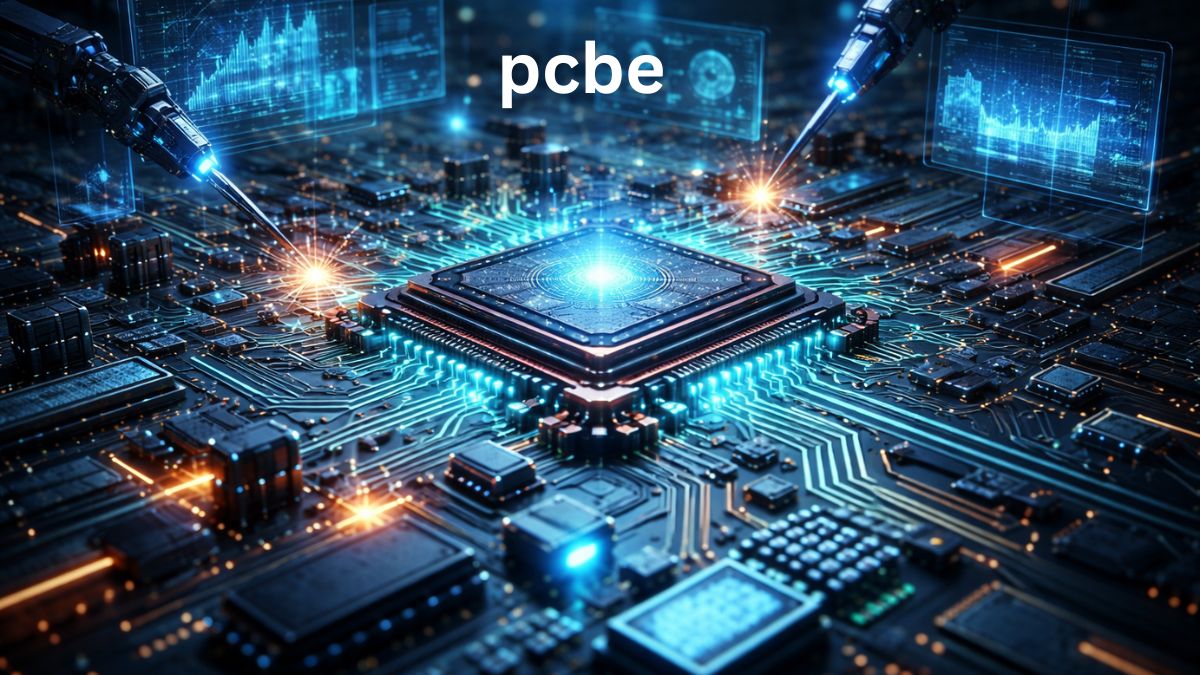
In the world of modern electronics, many groundbreaking technologies rely on systems we rarely notice. One of these hidden foundations is PCBE, commonly understood as Printed Circuit Board Engineering. Every smartphone, computer, robot, and smart device depends on circuit boards that connect components and enable intelligent functionality. Without PCBE, our digital world would simply not exist.
Yet PCBE is no longer just about building reliable electronics. It is rapidly evolving into a discipline that shapes the future of artificial intelligence hardware, robotics, space technology, and speculative innovations. Engineers today design circuit boards that can survive extreme temperatures, power advanced processors, and support futuristic devices imagined in science fiction.
For readers interested in speculative technology and future innovation, PCBE represents an exciting intersection between engineering and imagination. The circuit boards built today may soon power autonomous cities, intelligent machines, and deep-space exploration systems. Understanding PCBE gives us a glimpse into the hidden architecture behind tomorrow’s technological revolutions.
Table of Contents
What PCBE Means in Modern Technology
PCBE, or Printed Circuit Board Engineering, refers to the design, manufacturing, and optimization of circuit boards that power electronic devices. These boards provide the structure that connects microchips, sensors, memory modules, and power systems into a single working machine. Engineers carefully design layers of conductive pathways that allow electricity and data to flow efficiently.
Modern PCBE requires precision at microscopic levels. A single board can contain thousands of connections arranged in complex layers. Engineers must consider heat management, signal integrity, electrical noise, and component placement. Even a small mistake in the design can cause performance issues or hardware failure.
Today’s circuit boards are far more advanced than the simple boards used decades ago. They are now built with multi-layer architectures, high-density interconnects, and specialized materials that support powerful processors. These advancements allow devices to become smaller, faster, and more capable than ever before.
As technology evolves, PCBE continues to push boundaries by enabling electronics that support machine learning, quantum computing prototypes, and next-generation robotics.
The Role of PCBE in Everyday Devices
Although most people never see them, PCBE designs are present in nearly every device used daily. Smartphones, laptops, smart watches, and gaming consoles all rely on carefully engineered circuit boards to function properly. These boards connect processors, cameras, sensors, and wireless communication modules into a unified system.
Companies like Intel and NVIDIA rely heavily on advanced circuit board engineering to deliver high-performance computing hardware. Their processors require boards capable of handling massive data flows and complex power distribution.
In consumer electronics, PCBE focuses on compact design and energy efficiency. Devices must remain lightweight while supporting powerful computing capabilities. Engineers achieve this by using advanced materials and optimized layouts that maximize performance within limited space.
This invisible engineering is one of the main reasons modern electronics continue to become thinner, faster, and more powerful every year.
Why PCBE Is Critical for Emerging Technologies
Emerging technologies depend heavily on the innovation happening in circuit board engineering. Artificial intelligence systems, autonomous vehicles, and advanced robotics require hardware capable of handling enormous amounts of data in real time. Without highly optimized PCBE designs, these technologies could not operate efficiently.
For example, self-driving vehicles rely on numerous sensors and processors working simultaneously. These components must communicate instantly, which requires circuit boards designed with minimal signal interference and exceptional reliability.
Similarly, AI servers and machine learning systems require boards capable of supporting powerful graphics processing units and specialized accelerators. The engineering behind these boards ensures stable power delivery and fast data transfer between components.
As future technologies demand greater computing power, PCBE will continue to evolve to meet these new challenges.
PCBE and the Future of Robotics
Robotics is one of the most exciting areas where PCBE plays a vital role. Modern robots depend on circuit boards that integrate sensors, actuators, processors, and communication systems into a single intelligent platform. Every movement and decision a robot makes is controlled by electronics built on engineered boards.
Advanced robotics systems use specialized PCBE layouts designed to handle motion control and environmental sensing. These systems must process visual data, navigate obstacles, and make real-time decisions. The circuit boards inside them are responsible for coordinating these complex functions.
Research institutions such as Massachusetts Institute of Technology are constantly experimenting with new robotics hardware that relies on innovative circuit board designs. These developments could lead to machines capable of assisting humans in healthcare, manufacturing, and disaster response.
As robots become more intelligent and autonomous, PCBE will remain a key factor in their reliability and performance.
PCBE in Space Technology and Exploration
Space technology demands some of the most advanced circuit board engineering ever developed. Satellites, spacecraft, and planetary rovers must operate in extreme conditions, including radiation exposure and dramatic temperature changes. PCBE engineers design specialized boards that can withstand these harsh environments.
Space agencies like NASA rely on highly durable circuit boards for mission-critical systems. These boards must perform flawlessly because repairs are impossible once a spacecraft is launched. Engineers use radiation-resistant materials and redundant circuits to increase reliability.
Future missions to Mars and beyond will require even more sophisticated electronics. Autonomous spacecraft and intelligent exploration robots will depend on PCBE innovations that allow machines to operate independently for years.
In this sense, circuit board engineering is literally helping humanity expand beyond Earth.
How PCBE Supports Artificial Intelligence Hardware
Artificial intelligence systems require enormous computing power. Training machine learning models involves processing vast amounts of data using powerful processors and GPUs. These components must be mounted on circuit boards capable of managing heat, power consumption, and data flow.
PCBE engineers design boards that support high-performance processors while maintaining stability under heavy workloads. Advanced cooling strategies and optimized signal pathways help prevent overheating and performance bottlenecks.
In AI data centers, circuit board design becomes even more critical. Multiple processors must communicate at extremely high speeds, which requires precise engineering and high-quality materials. Without proper PCBE solutions, these systems would struggle to operate efficiently.
The future of AI hardware depends heavily on the continued innovation of circuit board engineering techniques.
PCBE and the Rise of Smart Cities
Smart cities rely on networks of sensors, communication systems, and intelligent infrastructure. Every connected device within a smart city environment contains circuit boards engineered to process data and communicate with other systems. PCBE makes these complex networks possible.
Traffic management systems, environmental monitoring stations, and smart energy grids all depend on reliable electronic hardware. Circuit boards ensure that these devices can operate continuously and share information in real time.
As urban environments become increasingly connected, the demand for efficient and durable electronics will continue to grow. PCBE engineers will play an important role in creating infrastructure capable of supporting millions of connected devices.
These developments bring us closer to futuristic cities often imagined in science fiction.
The Link Between PCBE and Science Fiction Technology
Many ideas once considered science fiction are slowly becoming reality. Intelligent robots, augmented reality systems, and advanced wearable devices all depend on the electronics enabled by circuit board engineering. PCBE provides the foundation that allows futuristic concepts to move from imagination to practical technology.
Science fiction stories often depict advanced machines capable of extraordinary tasks. While these stories focus on visible technologies, the hidden circuitry inside those machines is what makes them possible. Every futuristic device still requires a reliable electronic backbone.
As technology continues to evolve, PCBE will help turn speculative ideas into real innovations. From neural interfaces to autonomous drones, the electronics behind these technologies will rely on advanced circuit board design.
For a site exploring speculative technology and future innovation, PCBE represents the quiet engineering force that brings imaginative ideas to life.
Future Innovations in PCBE
The future of PCBE is filled with exciting possibilities. Engineers are experimenting with flexible circuit boards, advanced materials, and 3D-printed electronics that could revolutionize hardware design. These innovations could lead to devices that are lighter, stronger, and more adaptable.
Flexible electronics may allow circuit boards to bend or stretch, opening new opportunities for wearable technology and biomedical devices. Meanwhile, 3D circuit board designs could dramatically increase computing density while reducing device size.
Researchers are also exploring the use of nanotechnology and quantum materials in circuit board manufacturing. These materials could enable faster data transfer and more efficient power management.
As these technologies mature, PCBE will become even more central to the development of futuristic machines.
Why PCBE Matters for the Future of Technology
Many people focus on software innovation, artificial intelligence, or futuristic gadgets. However, none of these technologies can exist without reliable hardware infrastructure. PCBE forms the backbone of the digital world by connecting electronic components and enabling them to work together seamlessly.
As devices become more powerful and compact, the complexity of circuit board design continues to grow. Engineers must constantly develop new techniques to support higher performance and improved energy efficiency.
This ongoing evolution ensures that hardware can keep pace with the rapid growth of digital technology. Without PCBE innovation, the progress of modern computing and intelligent systems would slow dramatically.
In many ways, circuit board engineering quietly drives the technological revolutions we experience every day.
Conclusion
PCBE may not receive the same attention as artificial intelligence or futuristic robotics, but it remains one of the most important technologies shaping our world. Printed circuit board engineering provides the structural and electrical foundation that allows electronic devices to function efficiently.
From smartphones and laptops to AI systems and space exploration hardware, PCBE enables the devices that power modern society. As new technologies continue to emerge, the importance of advanced circuit board design will only increase.
For those interested in speculative technology, science fiction concepts, and future innovation, PCBE represents the bridge between imagination and reality. The circuit boards engineers build today may soon power intelligent robots, smart cities, and technologies that once existed only in fiction.
Understanding PCBE reveals that the future of technology is not just about bold ideas—it is also about the hidden engineering that makes those ideas possible.
FAQs
What is PCBE?
PCBE stands for Printed Circuit Board Engineering, which involves designing and manufacturing circuit boards that connect electronic components in devices.
How does PCBE affect modern electronics?
PCBE determines how efficiently electronic components communicate, manage power, and handle heat, directly influencing device performance.
Why is PCBE important for artificial intelligence hardware?
AI systems require powerful processors and fast data communication, which depend on advanced circuit board designs created through PCBE.
Can PCBE influence future technologies?
Yes, innovations in circuit board engineering support emerging technologies like robotics, smart cities, and space exploration.
Is PCBE related to science fiction technology?
Many futuristic devices imagined in science fiction rely on advanced electronics, and PCBE provides the foundation needed to build them in reality.