Table of Contents
- Common Causes of Tooth Damage
- Immediate Effects of Tooth Damage
- Long-Term Consequences of Untreated Tooth Damage
- Connection Between Oral Health and Overall Health
- Preventive Measures to Protect Teeth
- Treatment Options for Damaged Teeth
- Importance of Regular Dental Check-Ups
- Final Thoughts
Healthy teeth are an essential foundation for long-term well-being. When tooth damage occurs, it can trigger a domino effect of oral health challenges that reach far beyond a single tooth. Issues such as pain, difficulty eating, and the risk of infection typically arise quickly, making it important to address dental problems promptly. If you are concerned about the costs of treating a damaged tooth, it is helpful to understand Broken Tooth Repair Expenses and plan accordingly for the necessary care.
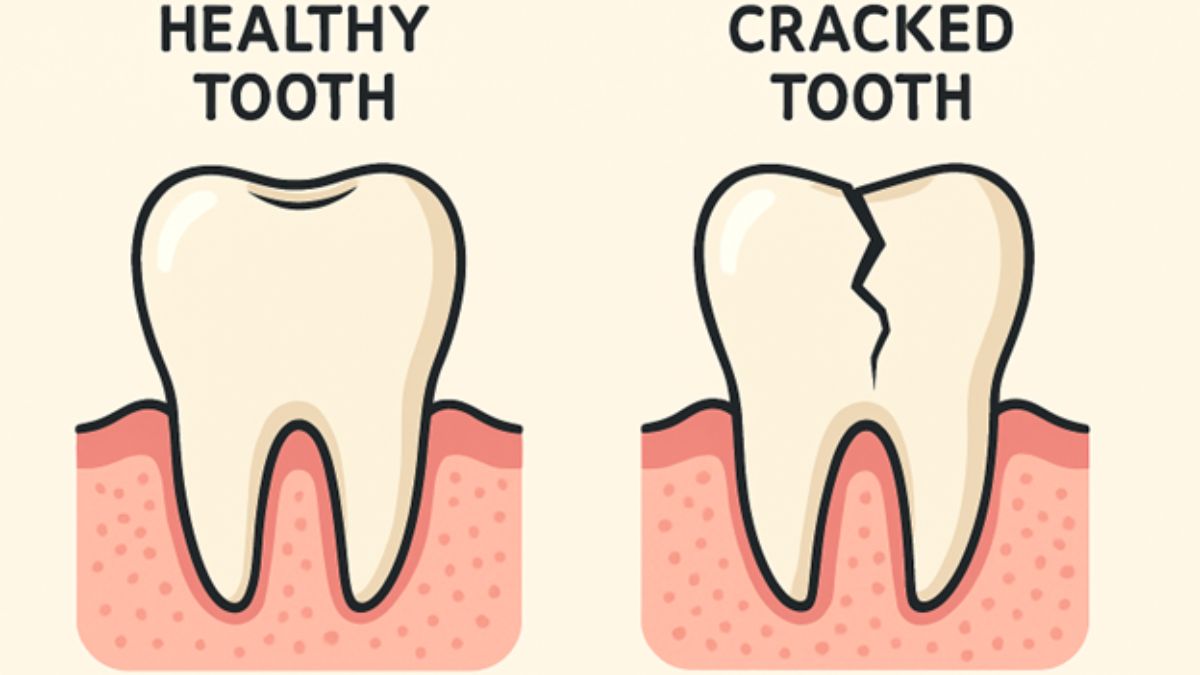
Left untreated, a simple cracked or decayed tooth can compromise not only the appearance of your smile but also create long-term health risks. Knowing the causes, consequences, and solutions for tooth damage is the first step toward preventing loss and maintaining a healthy lifestyle. Proactively addressing dental concerns also helps avoid more extensive and expensive procedures in the future. Good oral health habits, regular check-ups, and timely intervention by dental professionals all play significant roles in preserving your teeth and gums. Dental health extends beyond just your mouth, impacting the body in various ways.
Common Causes of Tooth Damage
There are many reasons why teeth may become damaged, and understanding these factors helps reduce risk. Some of the most frequent causes include:
- Tooth Decay: Bacteria in the mouth feed on sugars, producing acids that erode enamel and eventually cause cavities.
- Trauma or Accidents: Falling, getting hit in the mouth, or biting down on something hard can chip or break teeth unexpectedly.
- Bruxism: Habitual grinding or clenching, often unconsciously at night, wears down enamel or causes fractures.
- Poor Oral Hygiene: Skipping regular brushing and flossing allows plaque to harden, creating a breeding ground for tooth decay.
- Dietary Choices: Frequent consumption of sugary snacks, sodas, or acidic foods can gradually weaken teeth’s protective barriers.
Immediate Effects of Tooth Damage
The initial impact of a damaged tooth is often difficult to ignore. Short-term effects might include:
- Pain and Sensitivity: When enamel is compromised, the softer dentin layer becomes exposed, causing sharp discomfort when eating hot, cold, or sweet foods.
- Problems with Chewing: Cracks or chips can make it difficult or painful to chew food, sometimes leading people to avoid certain foods entirely.
- Risk of Infection: When a tooth’s structure is breached, bacteria may enter the pulp or root canal, increasing the risk of infection, abscesses, or swelling.
Long-Term Consequences of Untreated Tooth Damage
Choosing to ignore tooth damage is risky. Over time, problems usually worsen and can lead to much more serious outcomes, such as:
- Tooth Loss: Severe decay or advanced infection may require tooth extraction, impacting your ability to chew and your appearance.
- Gum Disease: Damaged teeth can harbor bacteria that irritate the gums, leading to inflammation, bleeding, and periodontitis.
- Bone Loss: Significant tooth loss eventually leads to resorption of jawbone tissue, affecting both facial structure and future dental work.
- Misalignment: Spaces left by missing teeth can cause neighboring teeth to drift out of position, resulting in bite problems and uneven wear.
Untreated dental issues may also have psychosocial implications, lowering self-esteem and limiting social interactions, particularly if tooth loss becomes visible.
Connection Between Oral Health and Overall Health
Oral health and systemic health are intricately linked. Dentists and health organizations have increasingly recognized the connection between gum disease and chronic illnesses, including cardiovascular disease and diabetes. Dentists at North Orange Family Dentistry emphasize that bacteria and mouth inflammation can travel through the bloodstream, increasing the risk of a range of health problems. According to the Centers for Disease Control and Prevention (CDC), maintaining oral hygiene helps lower the risk not only of tooth and gum problems but also of broader health concerns, such as respiratory infections and complications during pregnancy.
Preventive Measures to Protect Teeth
Prevention remains the optimal strategy for dental health. To reduce your risk of tooth damage:
- Prioritize Oral Hygiene: Brush with fluoride toothpaste at least twice per day and floss daily to remove bacteria and food debris.
- Use Protective Equipment: Mouthguards are essential for those playing contact sports or who grind their teeth at night.
- Limit Harmful Foods: Minimize intake of sticky candies, carbonated drinks, and acidic fruit juices to protect enamel.
- Do Not Use Teeth as Tools: Avoid opening packages or bottles with your teeth, as this puts them at unnecessary risk of chipping or breaking.
Treatment Options for Damaged Teeth
The right treatment depends on the type and extent of the damage. Dentists may advise strategies such as:
- Fillings: These repair smaller cavities and restore natural tooth function.
- Crowns: A crown protects more significantly damaged teeth by covering and reinforcing their structure.
- Root Canals: When the tooth pulp is infected, a root canal may be necessary to save the tooth and stop the spread of bacteria.
- Extractions: If a tooth cannot be salvaged, removal may be required, sometimes followed by a dental implant or bridge.
Modern dentistry innovations have made restorative procedures more comfortable and effective than ever. Regular care offers both short-term relief and long-term health benefits.
Importance of Regular Dental Check-Ups
Consistent check-ups are vital for early identification of problems. At a professional dental visit, your dentist will examine your teeth and gums, conduct cleanings, apply fluoride, and offer advice for at-home care. Preventive visits are critical for stopping small issues from spiraling into complex or costly ones.
Final Thoughts
Proactively caring for your teeth cannot be overstated. The effects of tooth damage ripple through your oral health and your overall quality of life. Regular preventive care, smart dietary choices, timely treatment, and professional guidance will give you the best chance at maintaining a strong, functional smile throughout your life. Investing in oral health pays lifelong dividends, promoting both confidence and total well-being.