“Heavy legs” can sneak up in a very un-dramatic way. After a long day sitting, a busy week on your feet, or a workout plan that goes hard one day and disappears the next. This 7-day routine keeps things steady with a mix of walking, gym strength work, and Pilates-style control, plus quick daily add-ons you can actually fit in: a short warm-up, a gentle cool-down, and a couple of simple recovery habits.
And if visible veins or leg discomfort is genuinely getting in the way of everyday life, clinical options can be part of the picture too, including sclerotherapy in Dubai —with many experienced vein specialists working with these concerns alongside day-to-day habits like the ones in this plan.
Table of Contents
The leg-friendly formula
This week is built around a “little and often” idea. Circulation tends to respond well to frequent, low-impact movement. Muscles (especially calves and hips) do supportive work when they’re trained consistently. And recovery habits matter more than people expect.
Think rhythm, not grind. You’re aiming for repeatable sessions that leave you feeling better tomorrow, not wiped out tonight.
The 7-day plan (simple, repeatable schedule)
Use this as a template. If you need to keep sessions short, 20–40 minutes is more than enough. And if you’re already training consistently, build the week by adding a little time rather than cranking up the intensity.
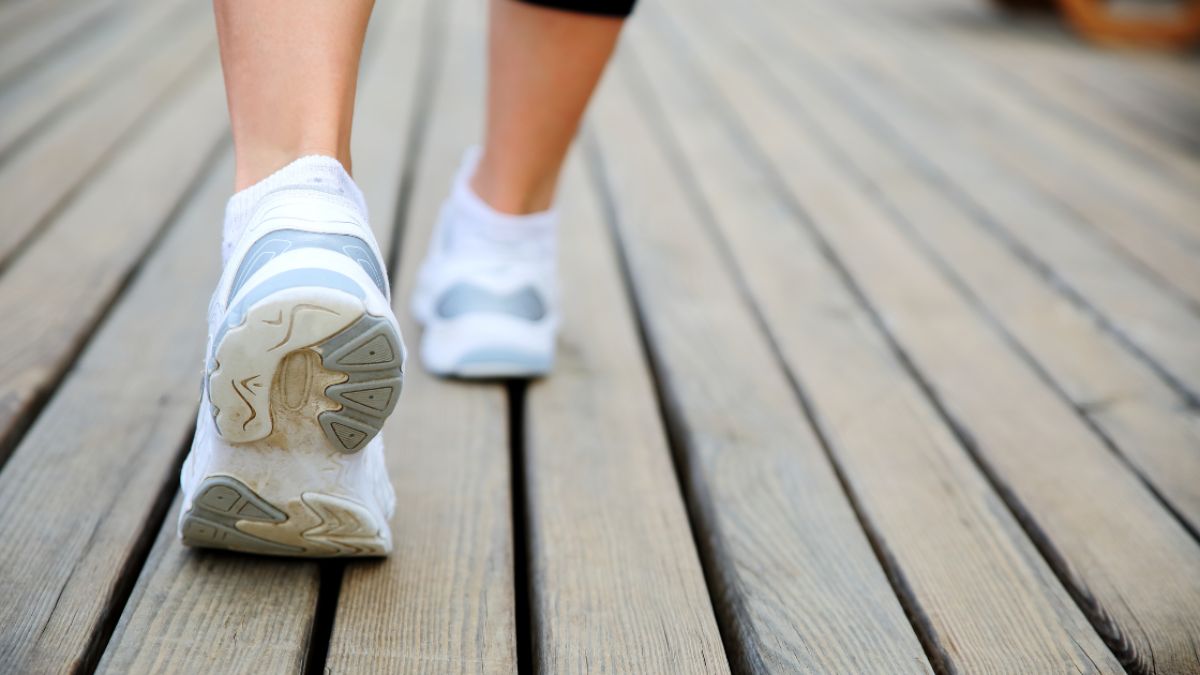
Day 1: Easy walk + mobility
A relaxed walk and a few minutes of ankle/calf mobility to set the tone.
Day 2: Gym (lower body, moderate load)
Strength basics with clean form, no maxing out.
Day 3: Pilates-style session (control + core + hips)
Slower, controlled work that improves alignment and movement quality.
Day 4: Walk with gentle intervals
Add short “pick up the pace” moments, then return to easy walking.
Day 5: Gym (full body with leg focus)
Include calves and hips again, plus upper body so the week feels balanced.
Day 6: Pilates + longer easy walk
A calm combo day: control work first, then a comfortable walk.
Day 7: Recovery day (short walk + stretch)
Keep it light. The goal is “reset,” not “push.”
A small trick that works: tie your walk to something you already do (a phone call, a coffee run, a playlist). When it’s automatic, it’s easier to keep.
The moves that do the most
Your calves are the quiet workhorses of leg comfort, so it helps to give them a little attention most days. Simple “pump” moves like slow calf raises, short and controlled heel-to-toe walks, and ankle circles (especially after long sitting) can make a noticeable difference. For gym work, stick to 3–4 leg-friendly strength movements, keep the load moderate, and aim for steady, repeatable reps—step-ups with control, split squats in a comfortable range, hip hinges like Romanian deadlifts with light-to-moderate weight, and glute bridges on days when your legs feel tired. If a session leaves your legs feeling worse for hours afterward, scale it back—this isn’t the week for heroic numbers. For Pilates-style work, look for slow, intentional patterns that support control and alignment: footwork with calf awareness, bridges and side-lying leg series, and core work that improves posture and breathing. A good rule of thumb is that if you’re rushing, you’re missing the point—Pilates pays off when you move with purpose.
Recovery that counts
Recovery doesn’t need fancy tools. It needs consistency.
After each session, do a 5-minute cool-down walk. Then add one small recovery habit:
- Hydration cue: drink a glass of water when you get home
- Calf stretch: 30–45 seconds per side
- Leg elevation: a few minutes in the evening if your legs feel puffy
Watch for real-life progress signals: less end-of-day heaviness, fewer deep sock marks, quicker bounce-back after long standing or travel.
Keep it sustainable
The best routine is the one you can repeat next week. If you miss a day, no big deal, just pick up where you left off. A leg-friendly week isn’t about perfection. It’s about building a rhythm that quietly makes your days feel easier.