Key Takeaways:
- Understanding the difference between plaque and calculus is essential for effective oral hygiene.
- Consistent brushing, flossing, and regular dental visits are key to preventing buildup.
- Diet and lifestyle choices significantly impact oral health.
Table of Contents:
- Understanding Plaque and Calculus
- Effective Brushing Techniques
- The Importance of Flossing
- The Role of Mouthwash
- Dietary Choices and Oral Health
- Regular Dental Checkups
- Lifestyle Factors Affecting Oral Health
- Conclusion
Understanding Plaque and Calculus
Plaque is a soft, sticky film teeming with bacteria that naturally accumulates on your teeth and gums throughout the day. If left undisturbed by proper cleaning, plaque can quickly take a toll on your oral health, leading to cavities and gum inflammation. When plaque isn’t removed, it hardens into calculus (also known as tartar), which is much more difficult to eliminate with standard brushing and flossing. If you want to keep your mouth healthy, it’s important to know how to use a plaque remover for teeth, in addition to maintaining daily hygiene habits.
Calculus typically forms above and below the gumline, trapping stains and bacteria and potentially contributing to periodontitis, a severe form of gum disease. This mineralized deposit cannot be cleaned with a toothbrush alone and requires intervention from a dental professional. Protecting your teeth from plaque and calculus not only preserves your smile but also supports your long-term overall health.
Understanding the distinction between these two types of buildup is crucial. Plaque is soft and removable at home, whereas calculus is hard and demands professional care. Prevention is much simpler than removal, making an excellent oral hygiene routine essential for everyone.
Daily habits, lifestyle, and even genetics influence your likelihood of developing plaque and calculus. Beyond home care, professional attention ensures comprehensive protection. For more personalized tips and effective strategies, the team at Champaign Dental can help you tailor a plan that fits your needs.
Effective Brushing Techniques
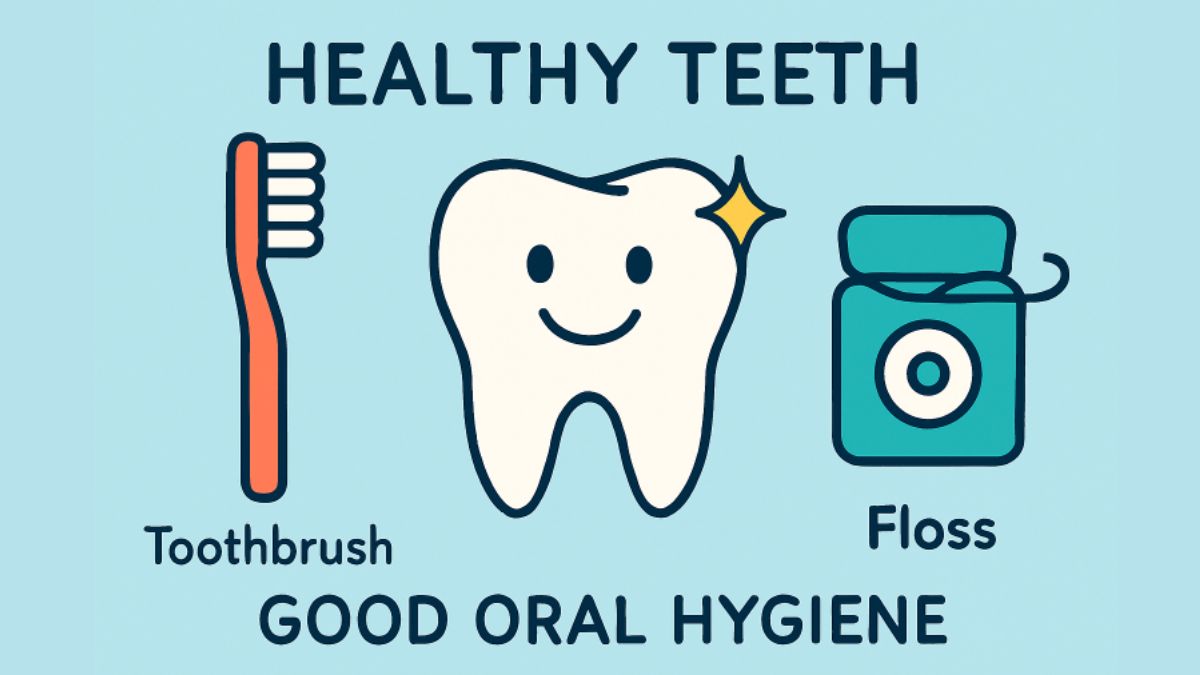
Brushing your teeth properly is the first line of defense against plaque accumulation. Dentists recommend brushing twice a day for at least two minutes, using a soft-bristled toothbrush and a fluoride toothpaste. Position the toothbrush at a 45-degree angle to your gumline and make small, circular motions rather than harsh back-and-forth scrubbing. This technique not only cleans efficiently but also protects your gums from recession and injury.
Be thorough: clean the outer, inner, and chewing surfaces of each tooth, and pay special attention to your back molars, where brushing can be less effective. Replace your toothbrush or electric toothbrush head every 3 to 4 months, or sooner if the bristles become frayed.
The Importance of Flossing
No matter how well you brush, a toothbrush can’t reach the tight areas between teeth and just below the gumline. Flossing is an essential daily practice for dislodging trapped food particles and breaking up bacterial colonies. Start with about 18 inches of floss, gently slide it between each tooth, wrap it in a “C” shape around the tooth, and glide it under the gumline. Move to a fresh area of floss each time to avoid redistributing debris.
Flossing also helps reduce your risk of gum disease and bad breath. Alternatives like dental picks and water flossers can be effective for those who struggle with traditional floss.
The Role of Mouthwash
A quality mouthwash offers more than just a fresh feeling; it targets plaque and bacteria that cause gum problems and contributes to a more comprehensive cleaning regimen. Antibacterial or antiseptic rinses, particularly those containing chlorhexidine or essential oils, can reduce bacterial populations and inhibit new plaque formation. Swish the recommended amount in your mouth for 30 seconds after brushing and flossing. For those with specific risk factors or dental restorations, your dentist may recommend a specialty rinse.
This dentist who does quality teeth whitening in San Antonio, TX adds that using mouthwash as a final step helps reach the narrow crevices and soft tissues that physical scrubbing might overlook. This extra layer of protection strengthens your defense against gingivitis and ensures your breath stays fresh throughout the day.
Dietary Choices and Oral Health
Your diet plays a significant role in oral health. Sugary and starchy foods feed bacteria that live in dental plaque, increasing acid production and the risk of decay. Opt for a diet plentiful in fiber-rich fruits and vegetables, calcium sources like dairy, and lean proteins. Snacking on crisp produce like apples and carrots can help clean teeth naturally between brushings by increasing saliva flow and scrubbing away loose debris. Drinking water throughout the day, especially after meals, also helps rinse away particles and acids.
Limiting sugary beverages and acidic drinks, such as soda and fruit juices, further protects your enamel from erosion. Proper nutrition supports strong teeth and gums, which in turn help guard against plaque buildup. For additional dietary tips, visit the American Dental Association’s nutrition guide.
Regular Dental Checkups
Even with the best home care, twice-yearly professional cleanings are essential to remove any hardened calculus and detect early signs of gum disease. At your dental exam, hygienists use specialized tools to gently scale away tartar, polish your teeth, and provide personalized advice on improving your technique. Regular appointments also include a comprehensive check for developing issues, ensuring early intervention and long-term oral health.
Some individuals may need more frequent visits due to factors like prior gum disease, rapid calculus formation, or orthodontic appliances. Dental teams work with you to set an optimal care schedule that maximizes your preventive efforts at home. According to the CDC’s oral health statistics, consistent dental care has been proven to lower the risk of painful, costly dental problems.
Lifestyle Factors Affecting Oral Health
Lifestyle choices significantly influence your susceptibility to plaque and calculus buildup. Smoking, vaping, and excessive alcohol consumption are linked to increased plaque, gum disease, and slower healing after dental procedures. Nicotine can restrict blood flow to the gums, weakening oral tissues and slowing repair processes. Reducing or eliminating tobacco and alcohol use significantly improves oral and overall health.
Other beneficial lifestyle choices include stress management and staying hydrated, which support healthy saliva production (vital for naturally cleaning teeth and neutralizing bacteria). Getting regular exercise and prioritizing good sleep also helps lower inflammation and strengthen the immune system, which is an important defense against oral disease. Making these healthy decisions will reward you with fewer dental issues and a brighter smile.
Conclusion
Preventing plaque and calculus is an ongoing commitment that combines smart daily habits, thoughtful lifestyle decisions, a balanced diet, and routine dental visits. Adhering to these guidelines helps safeguard your dental health and boost your confidence. Make these practices a part of your routine and enjoy the lasting benefits of a cleaner, healthier mouth for years to come.