
Table of Contents
- Understanding Clinical Trials
- Eligibility Criteria
- Informed Consent Process
- Potential Benefits
- Possible Risks
- Questions to Ask Before Participation
- Resources for Finding Clinical Trials
- Conclusion
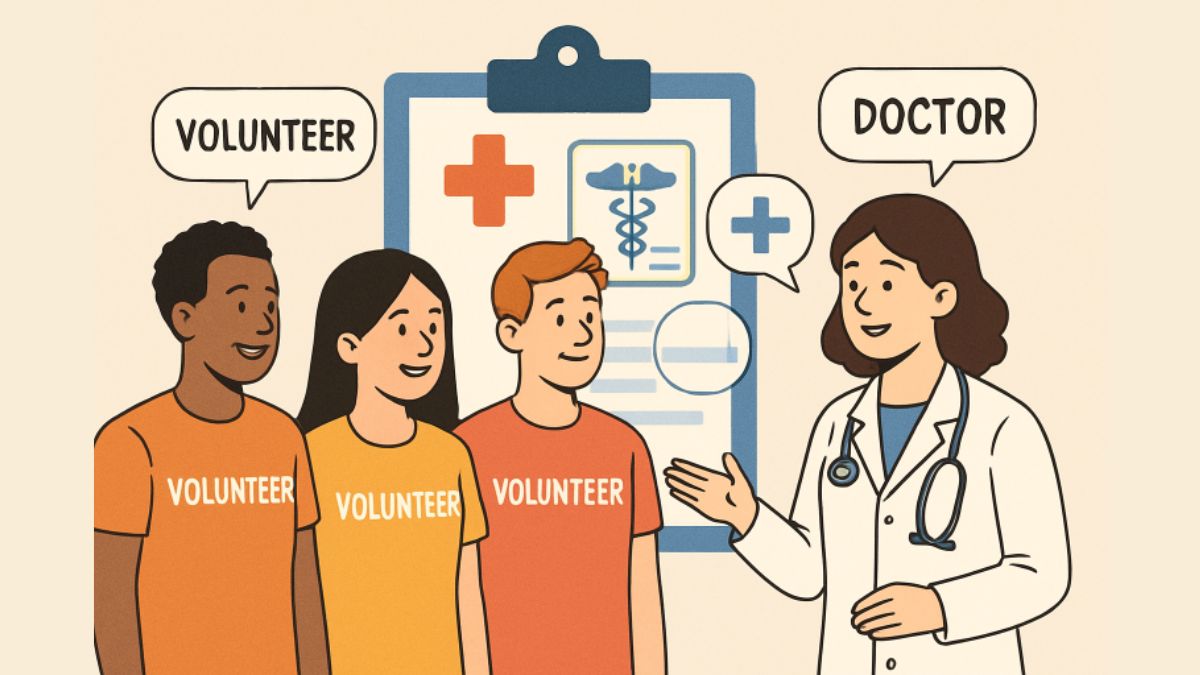
Participating in clinical trials provides individuals with a unique opportunity to contribute to medical research and potentially gain access to emerging treatments. These studies are carefully designed to evaluate the safety, effectiveness, and overall impact of new therapies, procedures, or interventions. For prospective volunteers, understanding the purpose, processes, and potential risks of a clinical trial is essential before making an informed decision. Volunteers play a vital role in advancing medical knowledge, helping researchers identify treatments that can benefit wider populations in the future.
In addition to understanding the trial itself, many participants are often curious about the broader impact of the research. One common question is, how do I find results of clinical trial studies? Accessing these results can provide insights into the effectiveness of treatments and the progress of medical research. Reliable sources, such as public clinical trial registries and research publications, enable participants and the general public to review study findings in a transparent and accessible manner.
Understanding Clinical Trials
Clinical trials are carefully designed research studies involving human volunteers with the principal goal of evaluating medical, surgical, or behavioral interventions. They test the efficacy and safety of new drugs, devices, or treatment strategies before these become widely available to the general public. Clinical trials are commonly divided into distinct phases, each serving a specific role, from assessing basic safety to determining real-world effectiveness across diverse populations.
These studies help doctors and scientists gather data that guide decisions about whether a new treatment should become standard care. Strict controls, close monitoring, and adherence to ethical standards are essential components of every clinical trial, ensuring the safety and well-being of all participants throughout the process. Trials are usually sponsored by government agencies, academic institutions, or private industry, each subject to stringent regulatory requirements.
Eligibility Criteria
Every clinical trial defines its group of eligible participants based on specific guidelines known as eligibility criteria. These may include age, sex, overall health, the type and stage of a disease, previous treatments received, and the presence of other medical conditions. Such requirements are established to enable researchers to clearly interpret the outcomes and ensure the health and safety of those involved.
Eligibility not only protects participants but also enhances the quality and reliability of the research. For instance, two people with the same diagnosis might be eligible for different trials depending on their treatment history or genetic background. If you are interested in joining a trial, your health care provider or the trial’s research coordinator will review your medical records to determine if you meet the relevant criteria.
Informed Consent Process
Before enrolling, candidates must complete the informed consent process—an essential step to ensure they fully understand the study’s aims, potential risks, expected benefits, and the treatments involved. During this process, the research team will explain all the details and provide you with an official consent form for your review and consideration. It’s crucial to read this thoroughly, and no question is too small. If you agree, you will sign the consent form. However, please note that you can withdraw your consent and exit the trial at any time, with no loss of regular medical care.
The consent document typically includes information about visits, required procedures, anticipated side effects, and your privacy rights. The informed consent process is designed to protect your autonomy as a volunteer, ensuring you make choices aligned with your best interests.
Potential Benefits
- Access to New Treatments: You may receive experimental therapies that are not yet generally available but have shown promise in early research.
- Comprehensive Medical Attention: Participants undergo thorough health evaluations and careful monitoring, often resulting in a level of attention equivalent to or beyond standard care.
- Contribution to Science: Your involvement helps advance scientific knowledge, ultimately benefiting future patients who face similar health challenges.
Possible Risks
- Unexpected Side Effects: As with any new intervention, treatment in a clinical trial can cause side effects that are not yet fully understood or documented.
- Lack of Improvement: Sometimes, new treatments may be less effective than anticipated or not more effective than current therapies.
- Commitment and Logistics: Participation often involves frequent appointments, travel, and adherence to strict timelines, which can impact your daily life.
Questions to Ask Before Participation
It is essential to have an open dialogue with the research team before consenting to participate. Consider asking:
- What is the objective of the study?
- What treatments or procedures will be involved?
- Which risks and benefits can I expect?
- How long will the trial last, and what is the time commitment?
- Will I need to stop other medications or therapies?
- Is there any cost or compensation for travel and participation?
- How will my records and privacy be managed?
These questions empower you to make a decision that feels right for you and your loved ones. Consider discussing your participation with your primary care provider or a specialist familiar with your health history for further support and perspective.
Resources for Finding Clinical Trials
Several reputable resources are available for locating appropriate clinical trials:
- ClinicalTrials.gov: The largest international registry of clinical studies, providing comprehensive information on active, recruiting, and completed trials across the globe.
- National Cancer Institute (NCI): An invaluable resource for individuals seeking oncology studies, with personalized matching options for cancer-specific clinical trials.
- Patient Advocacy Groups: Leading organizations dedicated to specific illnesses frequently maintain updated lists of ongoing and upcoming studies relevant to their community.
- PAN Foundation Clinical Trial Finder: A user-friendly platform for streamlining clinical trial referrals for patients and providers.
Conclusion
Participating in a clinical trial offers a unique opportunity: you may receive access to innovative treatments while contributing to scientific progress. However, joining is a personal choice that requires thoughtful reflection on the potential advantages and challenges. By seeking credible information, engaging with experienced healthcare professionals, and leveraging trusted resources, you will be well-positioned to make an informed choice that supports your health and personal circumstances.