
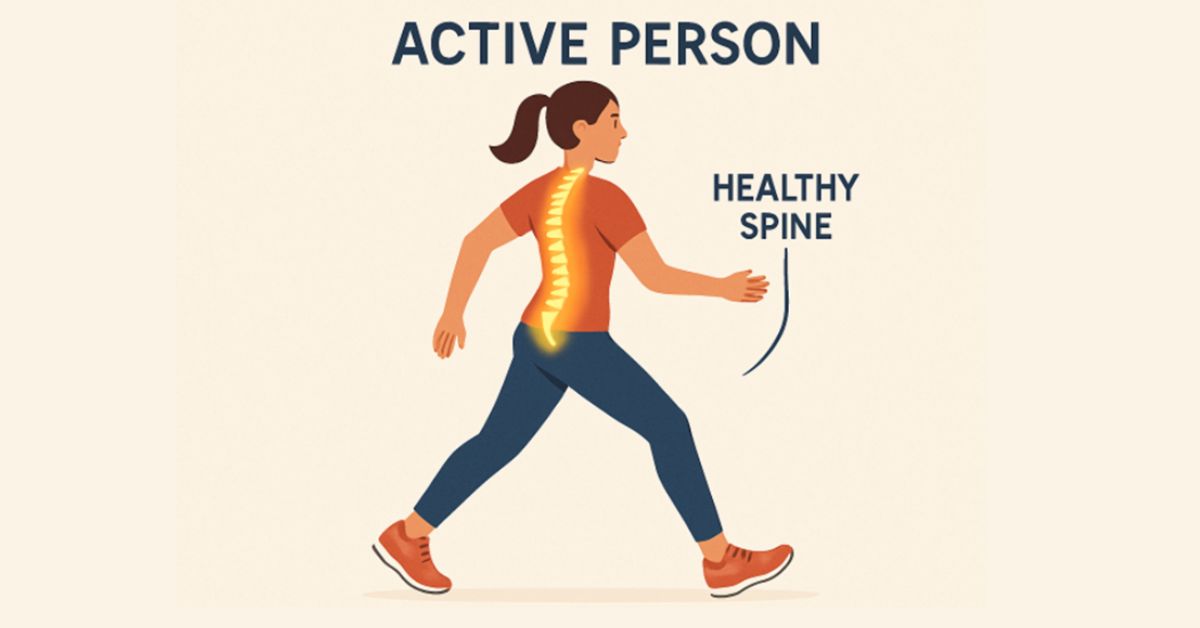
Key Takeaways:
- Daily habits play a major role in preserving spinal strength, flexibility, and comfort.
- Proper posture, movement, and ergonomics are foundational to spinal wellness.
- Staying active and maintaining a strong core helps prevent back pain and injury.
- Hydration, quality sleep, and regular movement breaks support long-term spinal health.
Maintaining a healthy spine is essential for overall wellness and mobility at any age. Everyday choices can directly impact spinal health, from the way you sit to how you sleep or stay active. Developing conscious daily routines is especially important for those with an increased risk of spinal issues, such as during pregnancy, or for individuals working long hours at a desk. Small but consistent actions help keep the spine strong, flexible, and pain-free for years to come.
By incorporating a few strategic habits into your lifestyle, you can promote optimal spinal function, support your back muscles, and significantly reduce the chance of chronic discomfort. While genetics play a role, your day-to-day behavior often creates the biggest difference in your spinal health and quality of life.
Maintain Proper Posture
Proper posture is the foundation of spinal wellbeing. Whether you’re sitting, standing, or walking, keeping your back straight, shoulders relaxed, and head in line with your spine helps distribute your body’s weight evenly. This minimizes abnormal stress on your vertebrae and surrounding muscles.
Slouching, hunching, or craning your neck forward can gradually lead to structural changes in the spine, as well as stiffness and pain. When sitting, use a chair with lumbar support and avoid crossing your legs for extended periods. Good standing posture involves aligning your ears over your shoulders and your shoulders over your hips.
Stay Physically Active
Physical activity is essential for maintaining the spine’s function and health. Regular movement improves circulation to spinal discs, keeping them nourished and resilient. It also strengthens the muscles that support your back, which helps protect the spine from injury. Activities such as walking, swimming, and yoga foster flexibility and reduce inflammation. Adults should aim for at least 150 minutes of moderate activity a week, according to the Centers for Disease Control and Prevention (CDC).
Strengthen Your Core Muscles
The muscles that make up your core—abs, obliques, and back muscles—form a supportive corset around your spine. Weakness in this area often leads to poor posture and greater strain on the lower back. Incorporate core-strengthening exercises, such as planks, bridges, and Pilates, into your weekly routine to enhance your core strength. These movements not only boost stability but also reduce the risk of lower back pain and injuries, helping you remain active and agile as you age.
Practice Mindful Lifting Techniques
Improper lifting can instantly cause spinal strain or persistent injuries. When lifting objects, always bend your knees and hips rather than your waist, and keep the object close to your body. This technique engages your powerful leg muscles instead of putting undue stress on your spinal structures. Avoid twisting while lifting—instead, pivot with your feet. Practicing safe lifting helps protect both your back and spinal discs from damage over time.
Ensure Ergonomic Workspaces
Modern work often involves hours spent at a desk or computer, which can lead to poor posture and spinal strain. Setting up your workspace ergonomically is crucial for spinal health. Choose a chair with lumbar support, position your computer monitor at eye level, and ensure your keyboard and mouse are within natural reach. These adjustments can prevent many workplace-related spinal problems, as supported by guidance from the Cleveland Clinic.
Stay Hydrated
Proper hydration keeps the spinal discs elastic and lubricated. The discs between your vertebrae function as shock absorbers and rely on adequate water intake to maintain flexibility and resilience. Aim to drink at least eight 8-ounce glasses of water a day, or more if you are physically active, to ensure your spinal structures remain well-cushioned and nourished.
Get Quality Sleep
Sleep is your body’s time for recovery, and the health of your spine depends on your sleep posture as well as your mattress. A medium-firm mattress that supports the natural curvature of your spine is generally recommended. Sleeping on your back with a pillow under your knees, or on your side with a pillow between your knees, helps keep your spine aligned. Make sleep quality a priority—poor rest can exacerbate back pain and slow healing.
Avoid Prolonged Sitting
Sitting for long stretches compresses spinal discs and weakens lower back muscles. To combat this, take frequent breaks: stand up, gently stretch, and walk around for a few minutes every 30 to 60 minutes. If you work at a desk, consider using a standing desk or incorporating short walks into your routine to alleviate pressure on your spine and improve your posture.
Final Thoughts
Consistently making small, conscious adjustments to your daily routine is the best defense against back pain and spinal issues. Focusing on posture, movement, core strength, ergonomics, hydration, and sleep lays the groundwork for a healthy spine throughout your life. Remember, it’s never too late to start caring for your spine—your body will thank you in the years to come.